




The Financial Times, CNBC, Bloomberg, and Business Insider contributed to this report.
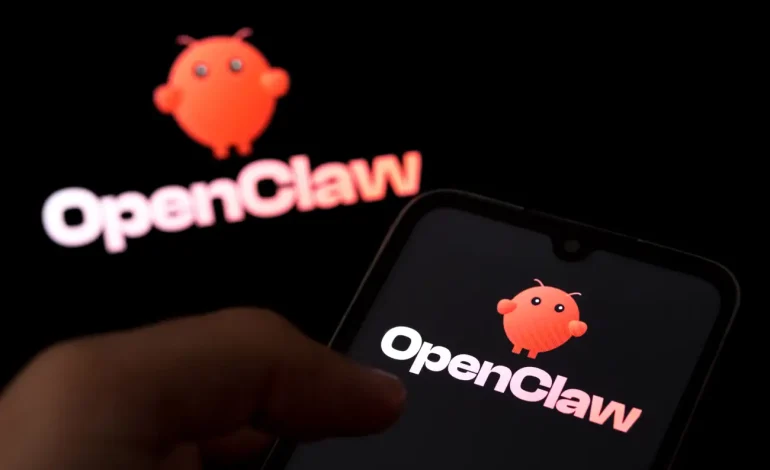
OpenAI just scooped up the person behind the viral agent everyone’s been tinkering with: the creator of OpenClaw is joining the lab, and the tool itself won’t disappear into a corporate black box — it’ll “live in a foundation” inside the company, the CEO said in a post on X.
The move is both a product bet and a signal. Agents like OpenClaw have exploded recently because they actually do stuff for you — managing email, filling out web forms, booking things, running multi-step workflows across apps — and people love the idea of letting software take care of routine online chores. The CEO wrote that the company expects these agents “will quickly become core to our product offerings,” and that explains why they just hired the developer who made one of the most talked-about examples.
The basics: the creator — an Austrian developer who came out of retirement to launch the agent late last year — is joining to help push “personal agents” forward at scale. He’d previously floated the idea that OpenClaw could grow into a big company, but said building one wasn’t his goal; teaming up with the lab would get the tech into more hands faster. He framed OpenClaw’s next phase as an open, independent foundation inside the firm — a setup aimed at keeping the project accessible while giving it the engineering and distribution muscle of a deep-pocketed AI shop.
Agents are shorthand for a big shift: from asking a model to answer a question to hiring a tiny, persistent software worker that acts on your behalf. That changes product roadmaps, monetization models, and the kinds of safety and policy questions companies need to solve. By bringing the creator in-house and committing to an open-source foundation, the company is trying to thread a needle — scale the tech fast without killing the community flurry that made it popular.
The developer stressed he’s in it for the mission: he wants agents in the hands of everyone, and believes pairing with the lab is the quickest way to do that. He said he’s more excited about changing how the world uses agents than about building another standalone startup. He also signaled he expects to stay only as long as the mission fits — a public “I’ll walk away if it changes” line that underscores his desire for independence even as he joins a big organization.
The choice to keep OpenClaw open and housed in a foundation reflects a broader debate in AI: open-source tools push innovation and portable ecosystems, but they also raise security and misuse concerns. Researchers and security folks have been vocal about how easily tweakable agent code can be weaponized or repurposed for bad things. The foundation plan looks designed to reassure the community that the project won’t be locked away, while letting the company shepherd safe development and integration into paid products.
Expect to see agent-like features rolled into consumer and business offerings — inbox helpers that triage and reply, automated booking assistants that actually log into vendor sites, or multi-agent chains that coordinate to handle complex tasks. The CEO’s note made clear the company sees these agents as central, not marginal — a product axis that could reshape how people interact with software day-to-day.
The hire is also a flag in the broader talent wars. Labs are snapping up creators and maintainers of popular open tools because community-driven projects often become the de facto standards. Getting the original builder on board gives the company a head start on productizing the tech, tucking community cred into a bigger roadmap and, importantly, into the company’s commercial offerings.
By folding OpenClaw into a foundation inside the lab and hiring its maker, the company is doubling down on agents as a core play. That keeps the project open and community-friendly — for now — while giving the company levers to productize and monetize agents across its stack. Whether that balances innovation, safety and openness will be the question everyone watches next.



The latest news in your social feeds
Subscribe to our social media platforms to stay tuned