





Wyoming’s Trees Are Thirsty: Why Winter Watering Matters in a Snowless Year
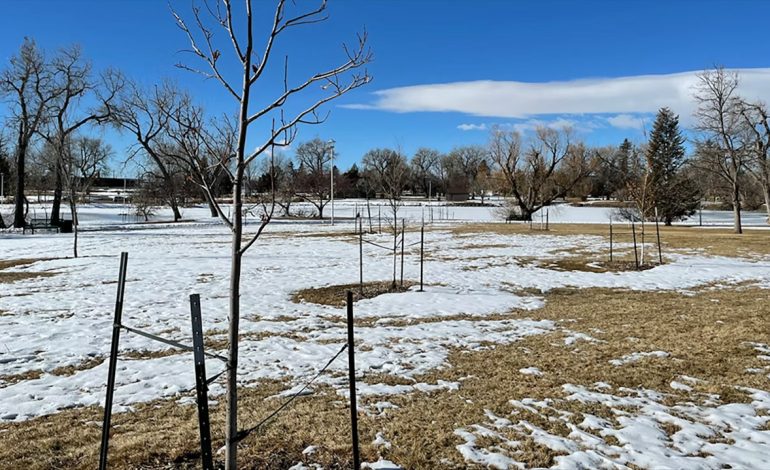

Wyoming’s unseasonably warm, dry winter isn’t just unusual—it’s dangerous for trees and plants. With no snow cover and relentless winds, the ground is drying out, and arborists are urging residents to water as if it were spring.
“When we go two or three weeks without snow cover, it’s a warning sign that you need to water if you want to keep your plants healthy or alive,” said horticulturist Shane Smith. He recommends winter watering on holidays: New Year’s, MLK Day, Valentine’s Day, and Presidents’ Day.
Soil scientist Dr. Caitlyn Youngquist of Worland’s Dirt Works agrees. “Even our lawns are going to be impacted,” she said. “They won’t green up this spring as fast since they haven’t been covered in snow.”
The danger is real. Dry soil fluctuates in temperature more than moist soil, stressing roots. Pines and spruces, which evolved in snowy mountains, are especially vulnerable. “When there’s no snow on the ground, those trees are in a state of drought,” said arborist Eva Balding.
Evergreens lose moisture through their needles year-round. Without snow to replenish them, they can suffer permanent damage. Balding described a process called embolism: air bubbles form in the trees’ water-carrying tubes, like a straw with a bubble, causing cells to collapse.
If you can’t water everything, prioritize newly planted trees—their roots aren’t fully developed. For larger trees, water halfway between the trunk and the canopy’s edge, where feeder roots are. Move when water puddles, then return after it soaks in. Repeat two or three times for deep watering.
Mulching helps, too. It absorbs any melting snow or rain and insulates roots. “If there’s no snow and it’s ten below, the tree roots are affected by the cold,” Balding said.
The symptoms of neglect often show up in summer: dieback at the top of the tree. “That’s the tree telling you it had to shut down part of itself,” Smith said.
For those worried about freezing hoses, a five-gallon bucket with holes drilled in the bottom works as a makeshift drip system. Water when temperatures rise above freezing, and let it percolate.
“It’s hard work being a tree in Wyoming,” Smith said. “People have worked hard to plant and maintain trees here. Winter watering should always be part of protecting them for future generations.”



The latest news in your social feeds
Subscribe to our social media platforms to stay tuned