




The Verge, BBC, the New York Times contributed to this report.
A feel-good Super Bowl commercial about a lost dog turned into a full-blown privacy panic — and the fallout was fast. Days after the ad rolled out, the maker quietly scrapped its planned integration with a street-camera company, saying the work would take more time and resources than expected and that no customer videos were ever shared.
The 30-second spot showed a yellow lab getting traced porch-to-porch via a feature called “Search Party.” What made people uncomfortable wasn’t the dog — it was how clearly the same tech could be used to find people. Social chatter spiked after the game, analytics firm PeakMetrics found, and the tone was mostly negative: critics said the ad made surveillance look disturbingly normal.
Senator Ed Markey slammed the commercial as “dystopian” and urged the owner of the device-maker to ban facial recognition on its products. The parent company — Amazon — suddenly found itself answering questions about civil liberties, law enforcement access and whether neighborhood safety tools just become mass-surveillance nets.
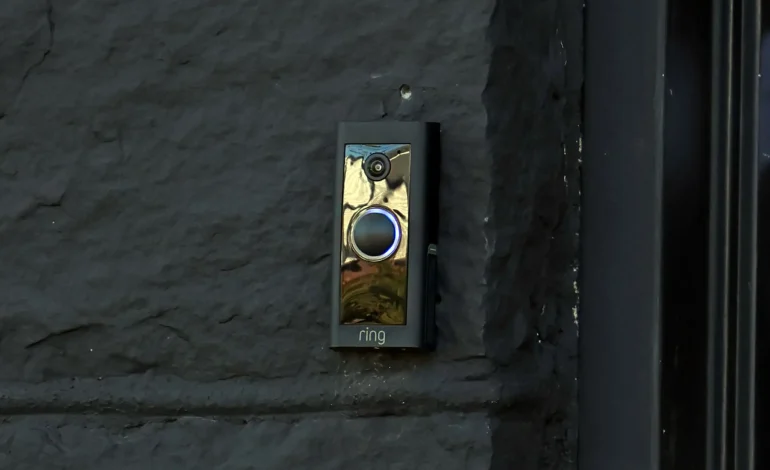
Ring’s statement, first flagged by tech site The Verge, said the integration with the other firm never actually launched and no Ring footage was transferred. It also made a point of highlighting cases where the system has helped police — an odd mix of defense and PR that only added fuel to the debate.
Privacy advocates pointed to troubling precedents: the other company’s data has, in some instances, been reachable by federal agencies through local police partners, according to reporting that raised alarms about warrantless access. That’s the heart of the worry — once you link doorbell cams, street cameras and databases, the line between “find my dog” and “track my neighbor” gets worryingly thin.
The company insists Search Party isn’t designed to hunt people and that users can opt out, but critics note the default settings matter — the feature ships on by default, and not everyone reads the fine print. Meanwhile, the broader conversation keeps circling back: do we want private companies building massive video networks that can be tapped by cops, contractors or anyone who can pay?
For now the partnership is dead and the ad has been labeled a public-relations own-goal. But the episode did one useful thing: it forced a national conversation about how much surveillance we’re willing to accept in the name of neighborhood safety — and who gets to decide.



The latest news in your social feeds
Subscribe to our social media platforms to stay tuned