

Trump signals indirect role as Iran–US nuclear talks resume under military pressure
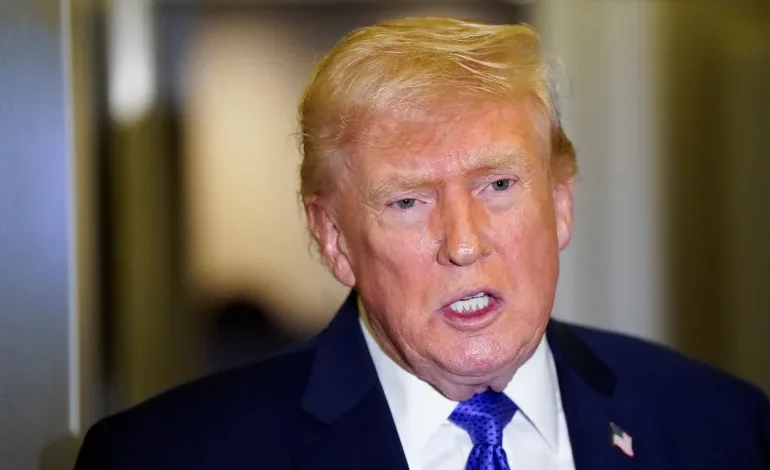

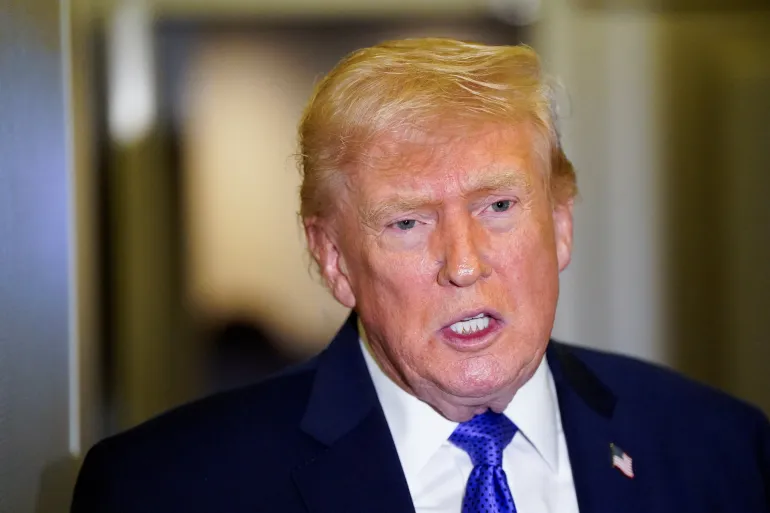
Donald Trump says he will take part “indirectly” in the latest round of nuclear diplomacy with Iran, a remark that underlines both the political weight of the negotiations and the unusual format in which they are taking place.
Speaking to reporters aboard Air Force One on Monday, the US president described the Geneva talks as pivotal while stressing that his involvement would not be face to face.
“I’ll be involved in those talks, indirectly. And they’ll be very important,” he said, adding, “Iran is a very tough negotiator.”
The Iranian side arrived in Switzerland projecting readiness but drawing clear red lines. Foreign Minister Abbas Araghchi said he came “with real ideas to achieve a fair and equitable deal” and warned, “What is not on the table: submission before threats.”
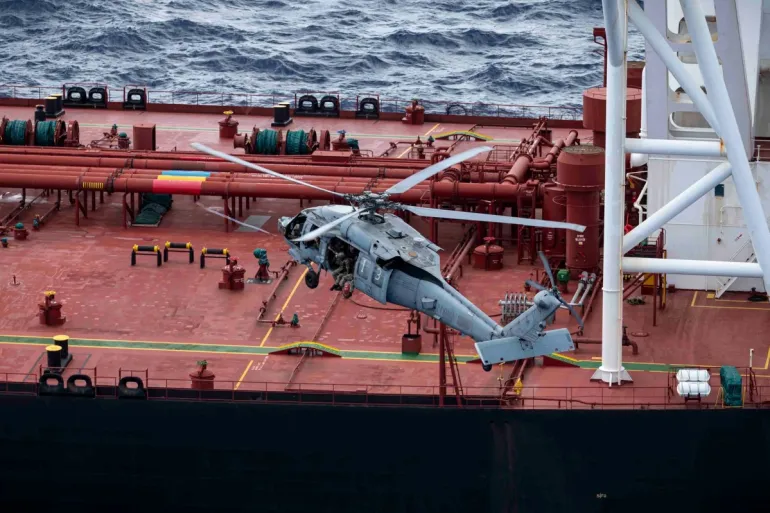
The diplomatic track is unfolding alongside a visible military build-up. Washington has deployed a second aircraft carrier to the region, while Iran has launched naval drills and repeated warnings that any attack could trigger a broader war. Supreme Leader Ayatollah Ali Khamenei has framed the stakes in regional terms, and Tehran has again raised the possibility of closing the Strait of Hormuz.
Trump pointed to last June’s escalation, when the United States joined Israel’s 12-day war and struck three Iranian nuclear facilities, as a moment that reshaped Tehran’s calculations.
“I don’t think they want the consequences of not making a deal,” he said, suggesting that the experience had made Iran more willing to negotiate.
The core dispute, however, remains unchanged. Washington wants Iran to end uranium enrichment on its own soil and is seeking to widen the agenda to include ballistic missiles and other non-nuclear issues. Tehran insists its nuclear programme is peaceful, rejects zero enrichment and says its missile capabilities are not negotiable. Its position is that any limits on nuclear activity must be matched by sanctions relief.
Parallel to the political talks, Araghchi met International Atomic Energy Agency chief Rafael Grossi for technical discussions. The agency has been pressing Iran to account for its stockpile of 440kg of highly enriched uranium after the strikes on Natanz, Fordow and Isfahan and to restore full inspection access. Iran has allowed visits to undamaged facilities but has withheld access to others, citing radiation risks.
In Tehran, officials are presenting the composition of the negotiating team as evidence of serious intent and potential flexibility on nuclear constraints. Yet that diplomatic posture is matched by military signalling from the Revolutionary Guard in the Gulf, reflecting a strategy in which deterrence and negotiation proceed simultaneously.

The latest news in your social feeds
Subscribe to our social media platforms to stay tuned