

Wyoming Senator Offers $126 Million Compromise to Embattled School Funding Bill
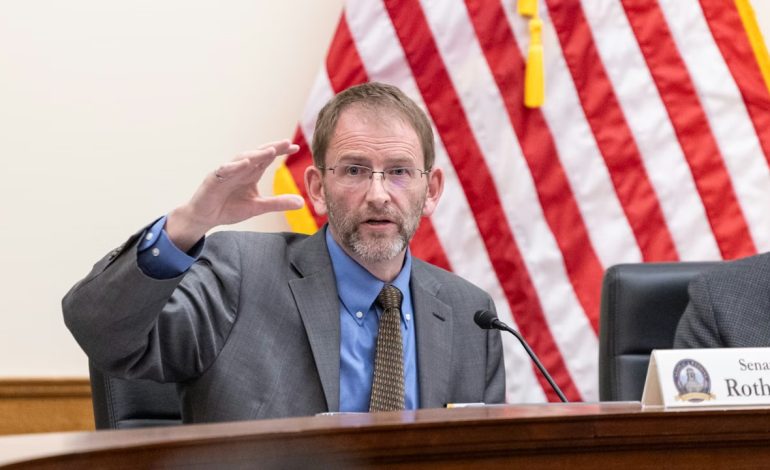

Sen. Chris Rothfuss on Monday proposed a $126 million increase to Wyoming’s K-12 school funding model, a compromise following months of educator outcry and legislative debate. The amendment would boost the existing $157 million two-year increase proposed for the state’s $3.6 billion education budget.
Rothfuss, D-Laramie, successfully advanced multiple amendments during a Senate Education Committee meeting, most responding directly to complaints from educators across the state. “We’ve been listening. Hopefully that will come as no surprise,” he told the committee, adding drily, “We’ve seen a few emails, for example.”
The recalibration bill, which has faced fierce opposition, proposes isolating teacher and paraprofessional pay so districts cannot divert those funds to other categories. Rothfuss left that “silo” intact but offered a package of changes including:
Setting teacher wages at 85% of comparable market positions, a compromise between analysts who say teachers work 79.1% of the year and the Wyoming Education Association’s 88% figure. Basing school funding on a two-year average attendance figure rather than the draft’s one-year model, which would cause sharper fluctuations. Adjusting school funding for inflation annually instead of biennially. Requiring every district to have a minimum of 17 teachers, a concession for tiny schools. Increasing middle school elective and specialist teachers from the draft’s 20% to roughly 33%. Providing one full-time employee for every 100 at-risk students, up from one per 120. Funding more elementary school nurses and counselors immediately rather than delaying to 2027. Delaying the mandate that districts join the state insurance pool by another year, to 2028, while committing $150,000 for a study on the shift’s cost. Limiting insurance reimbursements to employees who actually use coverage. Allocating $10 million for unlimited access to dual-credit high school and college classes.
Rothfuss also proposed a counterbalance to prevent a bidding war among districts flush with new money. The draft bill would inject $113 million into teacher compensation, enough to hire 1,400 unfilled positions. His amendment would confine districts to the new average teacher salary or 1.05 times the prior year’s average, with excess funds placed in a savings account for stabilizing declining enrollments or facilitating hiring.
Sen. Wendy Schuler, R-Evanston, called the proposal smart and measured. The committee approved all amendments, sending them to the Senate Appropriations Committee and then to the full Senate.
Opponents focused on the insurance pool shift. Cheryl Hageman of Wyoming Educators Benefit Trust warned it would threaten local businesses. Patricia Bach of the state’s Administration and Information Division said her agency would need 10 more employees to absorb the change and had no appropriation for it. “That makes me extremely nervous,” she said.
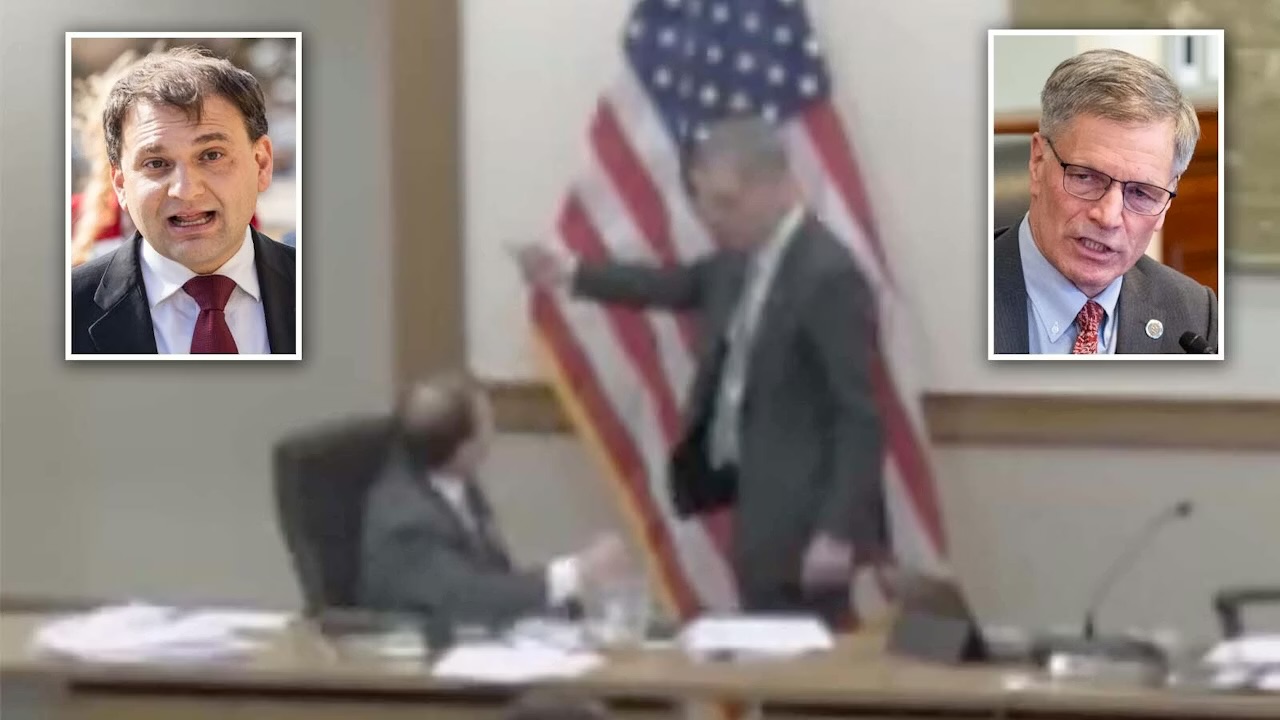
Rep. Scott Heiner, R-Green River, who co-chairs the Select Committee on School Finance Recalibration, defended the insurance idea, noting it would help part-time workers like bus drivers and custodians qualify for coverage under a 20-hour weekly threshold.
The bill has faced intense scrutiny. The House rejected its own version twice last week, which Heiner called a “dereliction” of the constitutional duty to fund education. The Senate responded Friday by unanimously introducing its mirror version.
The entire Legislature is under judicial pressure to reassess education funding and provide more for schools.

The latest news in your social feeds
Subscribe to our social media platforms to stay tuned