





With input from the Wall Street Journal, the New York Time, BBC, CNN, Axios, and the Guardian.
The takeover circus that swallowed Hollywood this year has a clear headline: a board that played its hand hard just turned a messy sales process into a huge payday. After months of offers, counteroffers and eyebrow-raising political theater, Warner Bros. Discovery walked away as the real winner — not because it sold itself cheaply, but because it forced bidders to pay up to $31 a share. The deal now sits on a table that needs shareholder votes and regulator sign-off, but for the moment the math is simple: the company’s market value swelled by roughly $23 billion in a few months, and that’s not chump change.
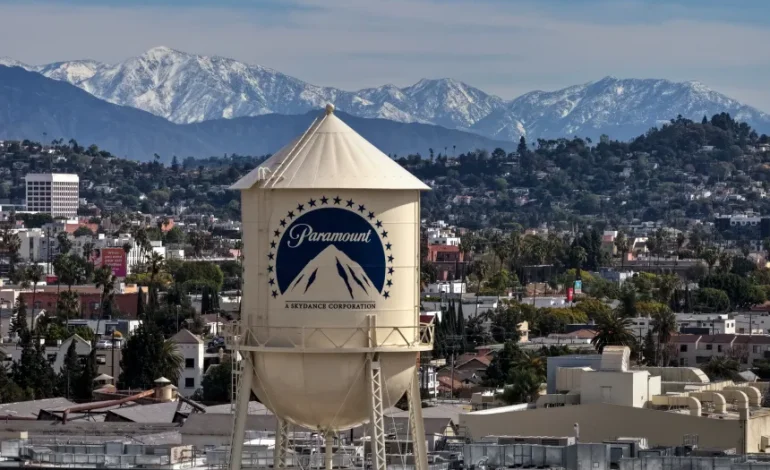
It began with two very different suitors. Warner Bros. Discovery’s board repeatedly rebuffed an early takeover pitch and, in doing so, engineered one of the more dramatic bidding wars in recent memory. On one side was Netflix, flush with cash and promising to carve off linear networks while keeping the studio and streaming crown jewels. On the other was Paramount Skydance — a deal backed by heavy-pocketed buyers who were determined to own the whole package.
The poker face from the board paid off. Management and directors pushed the suitors, prodded for better terms, and extracted concessions designed to make the winning bid more palatable for regulators. Paramount Skydance’s offer ballooned from an initial $19 per share in September to $31 — a 63% increase — and included tweaks that addressed financing and governance concerns. At that price, the board signed off.
That outcome also burnished the reputation of the company’s CEO, David Zaslav. Not so long ago Zaslav was fighting to convince investors his streaming strategy could compete with the likes of Netflix, Disney and Amazon. Now, if the transaction clears, he’ll be remembered as a slick dealmaker — the kind of executive who can turn uncertainty into a strategic win for shareholders.
Why Netflix bowed out is murky. The streamer had advantages — scale, cash, and a plan to spin off cable networks to sidestep regulatory headaches — but it ultimately decided not to raise its price. The retreat left Paramount Skydance standing, and a potential media titan in the making if regulators give the green light.
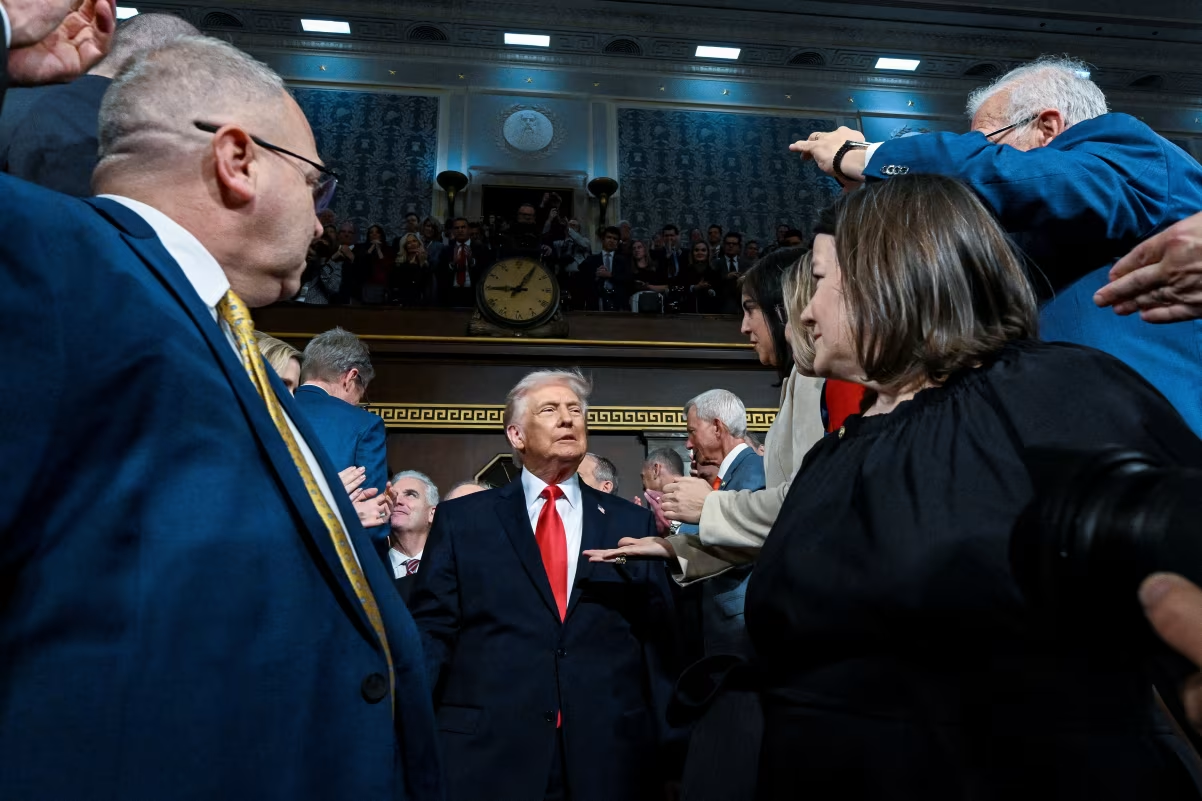
Front-and-center in the background was politics. David Ellison, the buyer at the center of the winning bid, cultivated relationships that mattered. His ties to President Donald Trump and the presence of big-name backers, including Larry Ellison, helped shape perceptions in Washington and beyond. That attention made the process louder and, for some critics, more unnerving.
If regulators sign off, the combined company will be massive: HBO and its prestige slate, CNN’s global reach, streaming platforms, studios and a pile of cable networks would fall under one roof. HBO network’s content libraries and prestige programming would supercharge Paramount+; the cable portfolio and CBS’s broadcast heft would give the new entity more leverage with advertisers and distributors.
Still, size doesn’t erase hard choices. Paramount has promised about $6 billion in synergies — which usually translates to thousands of layoffs and major restructuring. Unions and creative talent will watch the playbook nervously. Some marquee creators and anchors have already signaled discomfort; newsroom staffers at outlets like CNN and CBS worry about editorial independence and possible programming shifts.
And for Netflix, walking away has its own logic. The company escapes a drawn-out regulatory fight and a massive acquisition that might have saddled it with debt and distraction. For competitors, the deal changes the field: a combined Paramount-Warner could pose a fresh threat, but it’s also likely to take years and a lot of belt-tightening before it’s an unambiguous rival to Netflix’s scale.
What happens next is a familiar Hollywood cliffhanger. Shareholders must approve the sale. Regulators at home and overseas will scrutinize everything from market concentration to editorial independence. And even if the financial papers are signed, the real work — integrating two sprawling media empires, trimming costs, calming nervous staff and keeping advertisers on board — lies ahead.
For now, Warner Bros. Discovery’s board walks away with the sort of headline CFOs dream about: they turned a potential fire sale into a bidding frenzy that fattened the company’s valuation and handed shareholders a fat premium. Whether that triumph proves historic or merely tactical depends on the hard grind of mergers and the political winds of a regulatory world that hates surprises. Either way, Hollywood just watched a masterclass in how to get the most out of a sale — and the ripple effects will be felt across studios, streamers and newsrooms for months, maybe years.


The latest news in your social feeds
Subscribe to our social media platforms to stay tuned