




The Wall Street Journal, the Financial Times, Al Jazeera, the New York Times, and Bloomberg contributed to this report.
Europe woke up to a serious energy shock after a major halt to Qatari exports sent natural-gas prices ripping higher — more than 20% on Tuesday, and in some benchmarks jumping toward 50% as traders scrambled for cargoes.
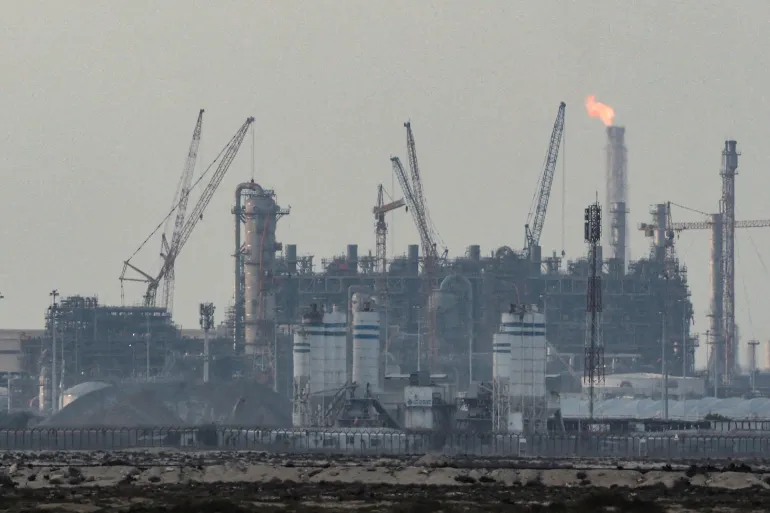
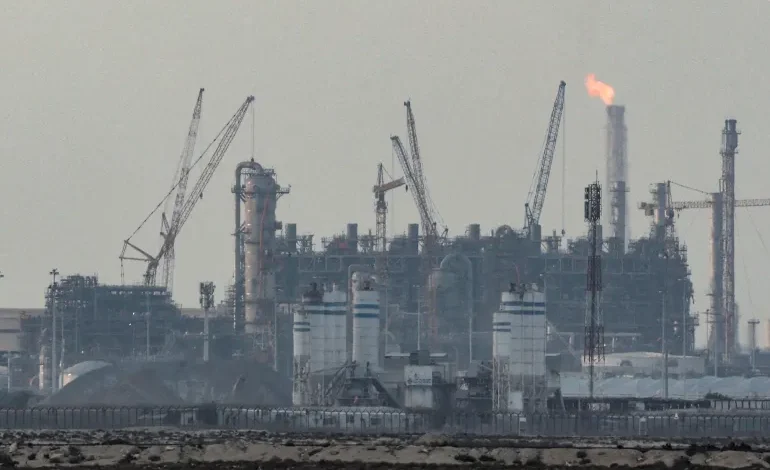
What happened: state-owned energy firm QatarEnergy said it paused production at its giant facilities in Ras Laffan Industrial City, Qatar following strikes, effectively taking roughly a fifth of global LNG off the market and bottling up flows through the Strait of Hormuz. That sudden supply hole is what sent spot prices into a tailspin.
US exporters moved fast. Players like Venture Global and Cheniere Energy were already talking about redirecting cargoes and cranking up output where possible — a short-term fix, but one that won’t instantly replace the lost Qatari volumes.
Analysts warned the pain could be deep if the outage drags on. Big banks say a month-long choke in Hormuz could more than double some European gas prices; traders are bracing for fierce competition for cargoes from Asia to Europe.
“This is the biggest threat to world gas markets since Russia invaded Ukraine in 2022,” one market note from ANZ warned.
The market winners are obvious: exporters and traders holding flexible, free-on-board cargoes can sell into the frenzy at much higher spot rates. But for consumers and governments it’s teeth-grinding stuff — higher energy bills, inflation risk and headaches for industry if the disruption persists.
The short run will be noisy — ships idling, cargoes rerouted, and prices lurching around. If Qatar gets production back quickly, the frenzy should calm. If not, expect a prolonged scramble that will keep gas markets — and inflation-watchers — on edge.

The latest news in your social feeds
Subscribe to our social media platforms to stay tuned