



India has begun its first national census in over a decade, deploying more than three million officials in a yearlong effort that will shape everything from welfare distribution to political representation.
The count, delayed by the COVID-19 pandemic, officially started on Wednesday and will run until March 31 next year. The process will unfold in two phases, starting with basic household data collection before moving to more detailed social and economic profiling later in the year.
In the initial stage, census workers will document housing conditions and infrastructure through in-person visits and a digital platform that allows residents to submit information via smartphone. A second phase, beginning in September, will gather deeper data — including religion and caste.
That second step is where the process becomes politically sensitive.
Caste remains a defining social structure in India, shaping access to education, jobs and public resources. Yet comprehensive nationwide data on caste distribution is outdated, with the last full count dating back to 1931 under British rule. Since independence, official census data has only tracked historically marginalised groups such as Dalits and Adivasis.
Successive governments have avoided a full caste enumeration, arguing it could inflame social divisions. But pressure has grown in recent years from those who say accurate data is essential for fair distribution of state support.
The census feeds directly into how welfare programmes are designed and funded, making it a key tool for economic policy. It also has constitutional implications. Population data is used to allocate seats in parliament and state legislatures, meaning updated figures could trigger a redrawing of India’s political map.
Recent reforms add another layer. A 2023 law reserving one-third of legislative seats for women means any expansion of constituencies would also increase the number of seats set aside for female representatives.
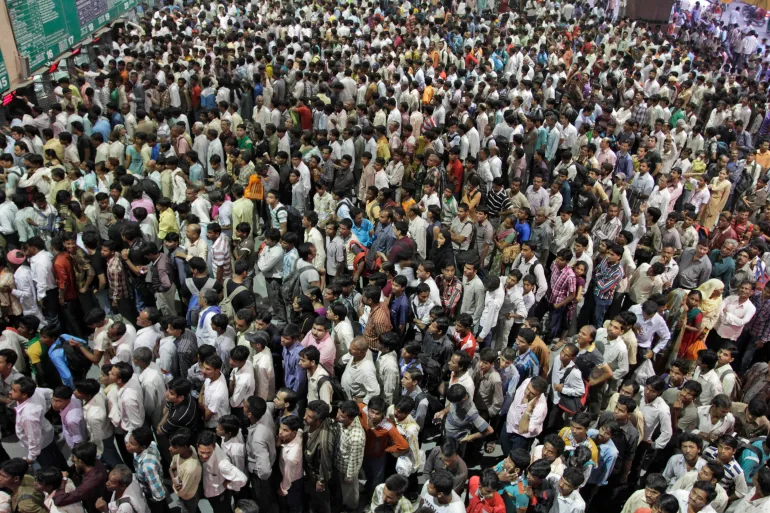
The scale of the exercise reflects the country’s demographic weight. India’s last census in 2011 recorded a population of 1.21 billion. It is now estimated to exceed 1.4 billion, making it the world’s most populous nation after surpassing China in 2023.



The latest news in your social feeds
Subscribe to our social media platforms to stay tuned