





With input from ABC News, BBC, Market Watch, Reuters, Axios, and Bloomberg.
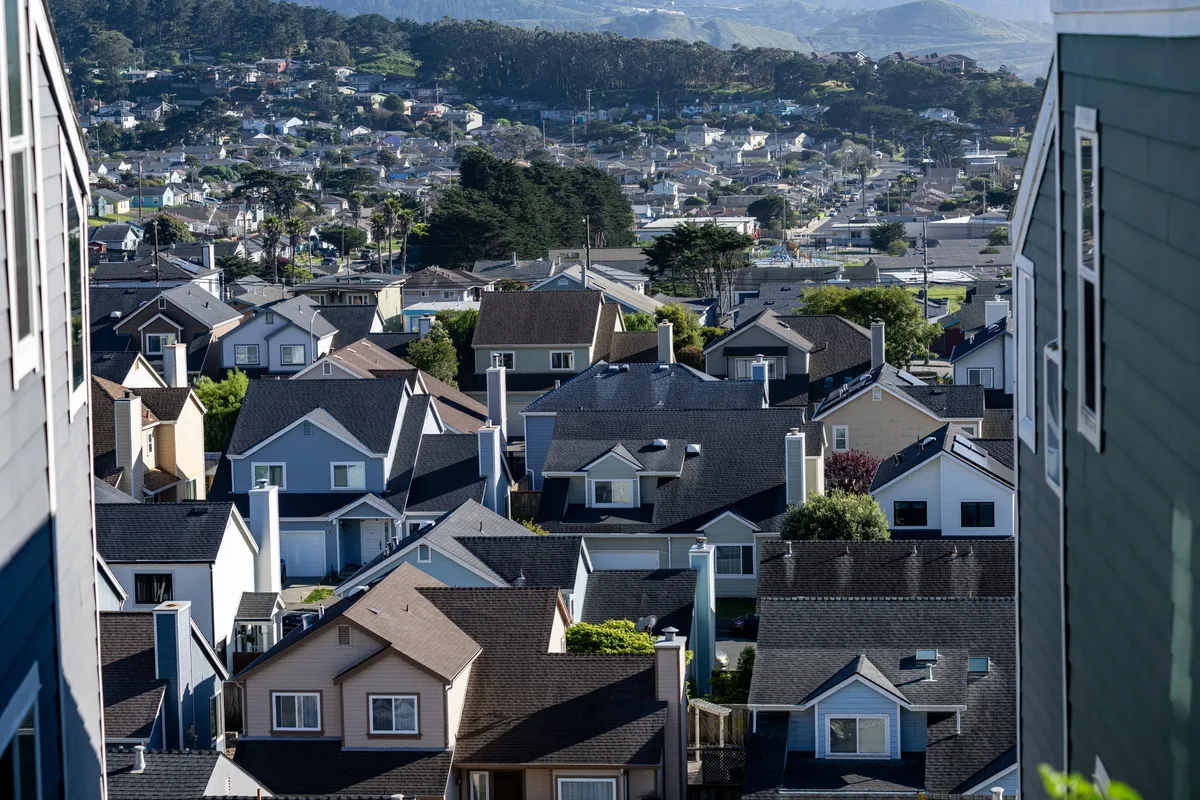
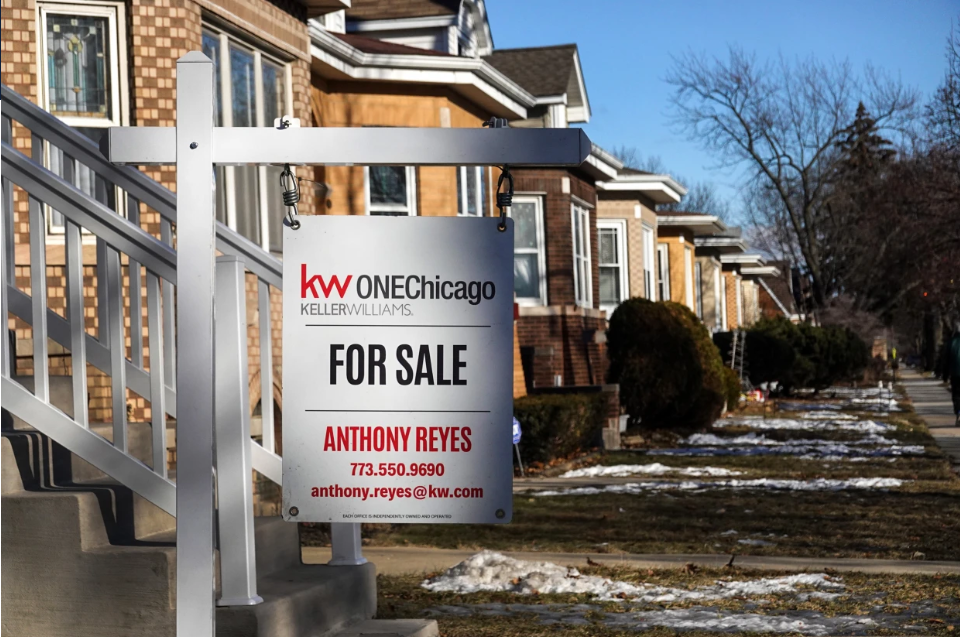
The spring housing season was supposed to pick up. Instead, it’s dragging.
Sales of previously owned homes across the United States fell in March, hitting their slowest pace in nine months. Even slightly lower mortgage rates earlier in the year weren’t enough to pull buyers back in.
According to the National Association of Realtors, existing-home sales dropped 3.6% from February to an annualized rate of 3.98 million units. That’s also down 1% compared to a year ago – and below what economists were expecting.
For a market that usually heats up this time of year, the numbers feel off.
Blame a mix of shaky confidence and economic uncertainty. Buyers aren’t rushing in. Many are hesitating, unsure about job prospects and where the economy is headed.
There’s data backing that up. A key measure of short-term consumer expectations – covering income, business conditions, and the job market – has now stayed below recession-warning levels for more than a year.
Meanwhile, prices aren’t giving anyone a break.
The median home price climbed 1.4% from a year earlier to $408,800, marking a record high for March. That extends a streak of annual price increases to nearly three years. So even as demand cools, affordability isn’t improving much.
The broader slowdown isn’t new.
Home sales have been stuck around the 4 million mark since 2023, well below the long-term average of about 5.2 million. The market has struggled to regain momentum after mortgage rates surged from pandemic-era lows.
There were signs earlier this year that things might turn. Rates dipped briefly, with the average 30-year mortgage hovering around 6% in January and February.
Then came the shock.
The conflict tied to Iran pushed energy prices higher, stoking inflation fears and driving up Treasury yields. Mortgage rates followed. By last week, the average 30-year rate had climbed to around 6.37%.
That shift is already reshaping expectations.
Lawrence Yun, the NAR’s chief economist, has cut his forecast for 2026 home sales growth. He now expects a modest 4% increase, far below earlier projections.
On the ground, the hesitation is obvious. Buyers are waiting. Sellers, too. Some had hoped for a calmer year – fewer shocks, more stability. That hasn’t happened.
There’s also more inventory than a year ago, but not enough to bring balance. Economists say the market would need hundreds of thousands more homes listed to start easing price pressure.
For now, the spring season is off to a slow start.
And unless mortgage rates ease again – or confidence returns – the housing market may stay stuck in this holding pattern a while longer.


The latest news in your social feeds
Subscribe to our social media platforms to stay tuned