





NPR, the Washington Post, USA Today, and Barron’s contributed to this report.
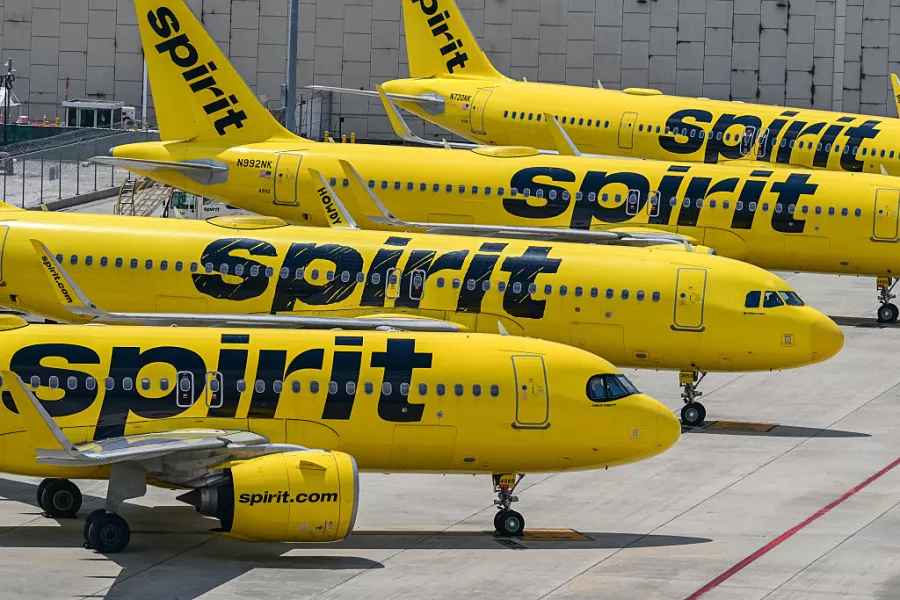
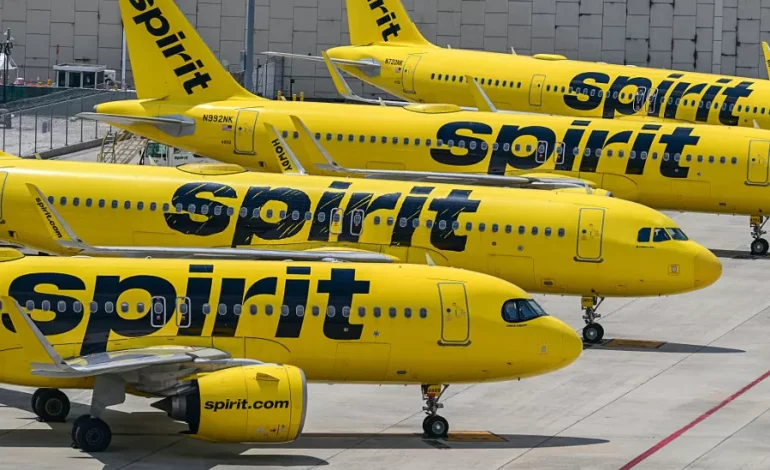
Spirit Airlines may be done flying passengers, but its bright yellow planes are still moving around the country – just without anyone onboard.
This week, one of the airline’s former aircraft, operating as Nomadic Flight 189, quietly left Fort Lauderdale for Phoenix Goodyear Airport in Arizona. No vacationers. No carry-ons. Just a small crew ferrying the jet into long-term storage as Spirit begins dismantling what’s left of its business.
After years of financial trouble, two bankruptcies since 2024 and a failed push for federal assistance, Spirit officially shut down operations last weekend. The collapse stranded more than 90 aircraft at airports across the US and kicked off a messy race among creditors, leasing firms and aviation companies trying to reclaim billions of dollars’ worth of assets.
And most of those planes? Spirit never actually owned them.
According to court filings, more than 60 aircraft in the airline’s active fleet were leased. Their owners now want them back fast, before the value of the planes slips further in an already stressed aviation market.
“Everybody tries to move them as quickly as possible,” said Steve Giordano, managing partner at Nomadic Aviation Group, which ferries repossessed aircraft around the country.
Some jets could be leased to other carriers almost immediately. Others may lose their engines and get stripped for parts. A few may simply sit in the desert indefinitely.
Right now, though, even getting access to the aircraft has turned into a headache.
Many planes remain parked exactly where Spirit left them when operations ceased – at gates, maintenance areas or remote tarmacs. Pilots hired to retrieve the jets, including some recently furloughed Spirit pilots, are showing up in jeans and T-shirts rather than airline uniforms, often triggering confusion with airport authorities.
“You go up to somebody and say, ‘I’m repossessing that airplane,’ and the first reaction is always no,” Giordano said.
Airport police, managers and security staff are frequently being pulled into disputes before planes can even be moved.
Spirit itself is now trying to squeeze value out of everything it still controls. That includes 28 Airbus A320-family aircraft it owns outright, spare engines, maintenance equipment, office buildings and airport real estate.
The airline’s gates and landing slots may end up being some of the most valuable pieces left behind.
Spirit controls coveted slots at congested airports including New York’s LaGuardia and Newark Liberty, where takeoff and landing rights are notoriously hard to get. Analysts expect rival airlines to line up for them.
“You can easily sell slots at those constrained airports,” said Ahmed Abdelghany, a professor at Embry-Riddle Aeronautical University. “Many airlines will be interested.”
The same goes for airport gates in cities like Dallas, Houston, Las Vegas and Los Angeles, where expansion space is limited and competition is fierce.
Still, selling aircraft in today’s environment may prove harder than expected.
Jet fuel prices have surged roughly 70% since the Iran war began earlier this year, hammering airlines across the industry and making older or less efficient planes less attractive. The spike in fuel costs was one of the final blows that pushed Spirit into liquidation.
Spirit had spent months trying to claw its way back after a failed merger with JetBlue. The airline shrank routes, furloughed employees, renegotiated debt and cut costs aggressively. By February, executives believed they had a workable recovery plan.
Then fuel prices exploded.
The company reportedly sought an emergency bailout from the Trump administration, but talks went nowhere. Spirit ultimately concluded it couldn’t raise enough cash to survive.
“For more than 30 years, Spirit Airlines played a pioneering role in making travel more accessible,” CEO Dave Davis said in a statement announcing the shutdown. “The sudden and sustained rise in fuel prices in recent weeks ultimately left us with no alternative.”
Now the fallout is spreading well beyond airports.
In Latrobe, Pennsylvania, Arnold Palmer Regional Airport lost its only commercial carrier when Spirit folded, leaving the small western Pennsylvania airport suddenly disconnected from the broader airline network. Around 50 local employees are expected to lose their jobs.
For students, tourists and budget travelers, Spirit’s collapse also marks the disappearance of one of the country’s most aggressive ultra-low-cost airlines – a carrier that built its business around dirt-cheap fares and fees for nearly everything else.
What happens to the planes next depends largely on timing and demand. Some could quickly return to service with other airlines. Others may be cannibalized for parts as carriers hunt for spare engines and components.
And many of those yellow jets? They’re probably headed for the Arizona desert, where rows of retired aircraft sit baking in the heat while owners wait for the market to improve.



The latest news in your social feeds
Subscribe to our social media platforms to stay tuned