
World Cup 2026: bigger, longer, and spread across North America
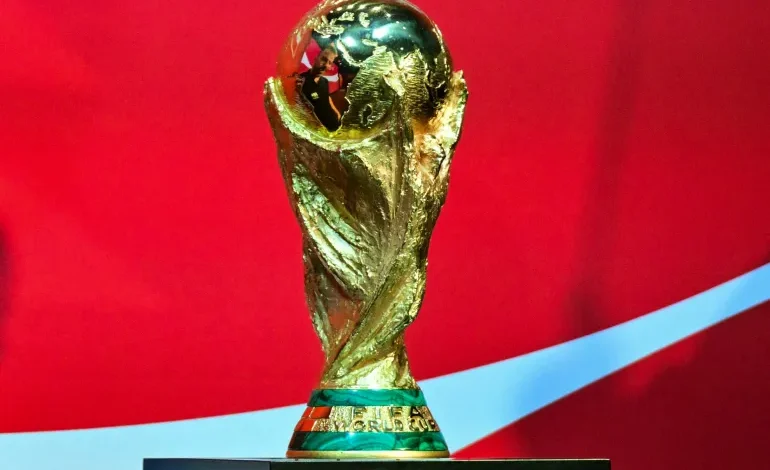

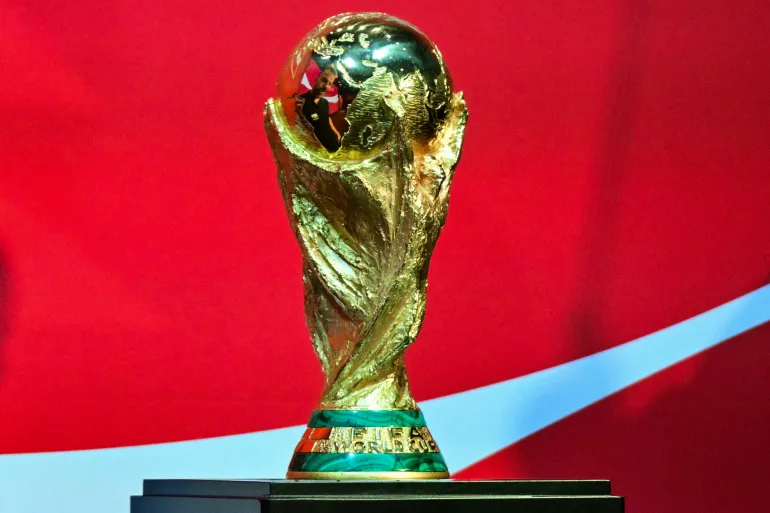
FIFA World Cup 2026 is set to be the largest edition in the tournament’s history, expanding both its scale and its geography as 48 teams compete across the United States, Canada and Mexico.
The tournament runs for 39 days, from June 11 to July 19, with 104 matches played across 16 venues. It marks a return to North America for the first time since 1994 — but on a much larger footprint.
The opening match will take place in Mexico City, while the final is scheduled for the New York New Jersey Stadium (MetLife Stadium under its usual name).
Argentina, led in 2022 by Lionel Messi, arrive as defending champions, while several teams — including Cape Verde, Curacao, Jordan and Uzbekistan — will make their World Cup debuts.
The format itself has been reworked to accommodate the expansion. The group stage now features 12 groups of four teams, followed by a round of 32 — a new knockout phase that adds an extra layer before the traditional round of 16, quarterfinals and semifinals.


The group lineup reflects both established powerhouses and emerging teams. Brazil, Germany, France, England and Spain headline the field, while others like Morocco, Senegal and Japan come in with growing expectations after strong recent tournaments.
The scheduling is dense, especially early on. The group stage runs from June 11 to June 27, with matches played daily across multiple time zones. From there, the tournament moves quickly into knockout rounds, culminating in the final on July 19.
One subtle but notable change sits off the pitch. FIFA has temporarily renamed stadiums to match host cities — a move aimed at limiting unauthorised brand exposure during the tournament. That’s why venues like SoFi Stadium and MetLife Stadium appear under generic names in official listings.



The latest news in your social feeds
Subscribe to our social media platforms to stay tuned