





With input from the New York Times and Forbes.
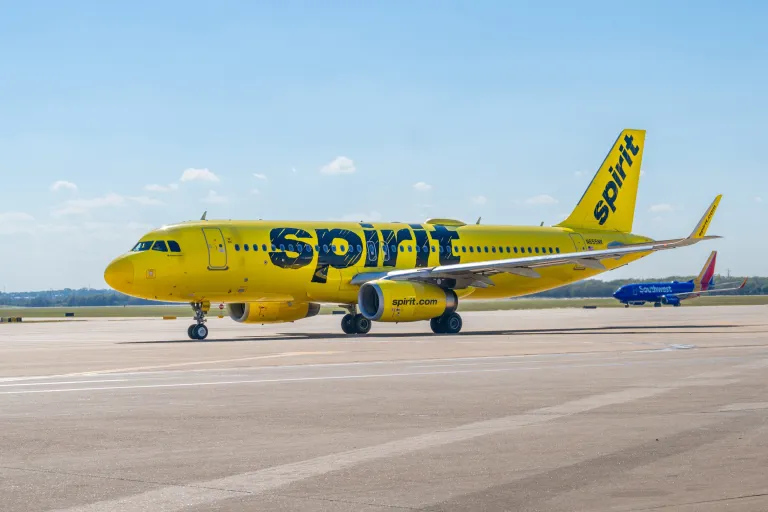
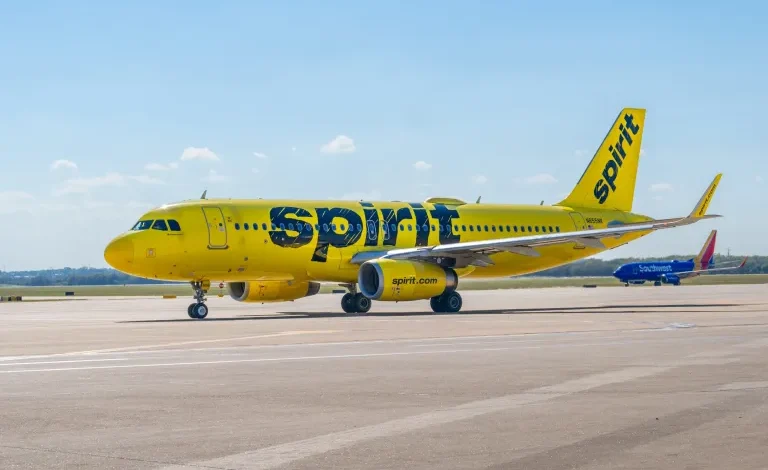
Spirit Airlines spent years reshaping the way Americans flew – charging rock-bottom fares, squeezing more seats onto planes and making passengers pay extra for nearly everything else. Over the weekend, that experiment officially came to an end.
The airline shut down operations Saturday, wiping out roughly 15,000 jobs and leaving behind a big question hanging over the industry: what happens when the country’s most aggressive low-cost carrier disappears?
For millions of travelers, Spirit was frustrating, uncomfortable and impossible to ignore. It was also cheap enough to make flying accessible for people who otherwise might not have boarded a plane at all.
Barry Biffle, the former Spirit executive who later became CEO of Frontier Airlines, thinks the collapse didn’t have to happen.
“Spirit could have survived if they had accepted our agreement and merged with us,” Biffle said this week, still sounding frustrated over the failed 2022 merger attempt between Frontier and Spirit.
At the time, Frontier wanted to combine the two ultra-low-cost carriers into what Biffle describes as a national budget airline capable of competing with the industry giants. Then JetBlue swooped in with a richer $3.8 billion offer and forced Frontier out of the deal.
That merger never happened either. The Justice Department blocked JetBlue’s acquisition over antitrust concerns, arguing it would reduce competition and raise fares.
By the time regulators killed the deal, Spirit was already struggling under rising fuel costs, too many seats flooding the market and mounting financial pressure. The airline never really recovered.
“Ultimately, with a merger with Frontier, these people wouldn’t have lost their jobs this weekend,” Biffle said.
Instead, he spent the shutdown weekend fielding calls and texts from former coworkers trying to figure out what came next.
“I was up most of the night on Saturday,” he said. “If you’re a pilot and you’re 55, starting over at the bottom of the seniority list is very tough.”
Spirit’s collapse closes the chapter on one of the most influential – and controversial – business models in modern aviation.
The airline became famous for its bare-bones strategy: unbelievably cheap tickets paired with fees for carry-ons, seat assignments, snacks and almost anything else passengers might want. Customers complained constantly, comedians mocked the airline relentlessly, and yet the model worked for years because fares stayed low enough to keep planes full.
Competitors eventually copied huge parts of that strategy.
Legacy airlines rolled out basic economy tickets. Budget carriers multiplied. Suddenly, charging extra for bags and seat selection became standard across the industry. Spirit helped normalize that shift, even if travelers hated it.
The company’s roots go back well before the bright yellow planes became a meme. In the mid-2000s, Biffle and former CEO Ben Baldanza helped transform Spirit from a struggling regional carrier into a profitable low-cost powerhouse focused heavily on Caribbean routes and ultra-cheap domestic fares.
When the pair joined Spirit in 2005, the airline had around 30 aircraft and was losing money. By 2013, it was generating $177 million in profit on $1.7 billion in revenue.
Baldanza, who died in 2024 after battling ALS, became the public face of the airline and one of the most outspoken executives in aviation. He understood something many competitors resisted at the time: a large slice of travelers cared more about price than comfort.
That strategy created fierce loyalty among working-class travelers who suddenly had access to flights they previously couldn’t afford.
“The people with $50,000 income who could afford to travel with us and get to visit grandma before she died,” Biffle said. “A large portion of our customers couldn’t afford to fly without the likes of Frontier and Spirit.”
That part of the market isn’t disappearing. The question is who fills the gap now.
Frontier remains standing, though the company has spent years trying to polish its image and avoid some of the backlash Spirit attracted. Other airlines are also pushing deeper into low-cost fare structures while simultaneously chasing premium travelers with bigger seats, airport lounges and expensive upgrades.
Meanwhile, airlines across the board are getting squeezed by higher fuel costs tied to the Iran conflict, slowing consumer spending and growing operational costs. Several carriers have already trimmed forecasts for 2026.
Spirit simply had less room for error than most.
The shutdown also revives debate over whether regulators made the right call blocking consolidation in the budget airline space. Supporters of the Frontier-Spirit merger argue the deal could have preserved a true nationwide low-cost competitor instead of leading to Spirit’s collapse altogether.
Critics counter that fewer airlines almost always mean higher fares over time.
Now regulators are left with the outcome nobody originally wanted: one less airline anyway.
For passengers, the effects may not hit immediately. Routes will be absorbed. Employees will scatter across the industry. Cheap tickets will still exist, at least for now.
But the era Spirit helped create – where travelers could routinely cross the country for less than the cost of a nice dinner – suddenly feels a lot less secure.



The latest news in your social feeds
Subscribe to our social media platforms to stay tuned