






CNBC, CNN, Bloomberg, Forbes, and Market Watch contributed to this report.
Americans are feeling worse about the economy again, and this time the big culprit is easy to spot: gas prices.
The University of Michigan’s consumer sentiment index dropped to 48.2 in early May, a fresh record low and below what economists were expecting. It was down from April’s already miserable reading and far below where it stood a year ago.
The mood shift is being driven mostly by inflation worries, with fuel costs doing the most damage. Joanne Hsu, who runs the survey, said consumers are being hit on all sides by higher prices, especially at the pump. About a third of respondents mentioned gas prices as their biggest concern. Another big chunk pointed to tariffs.
That combination is leaving people sour on their finances and less confident about making big purchases. The survey’s measure of current conditions fell sharply too, showing just how much pressure households are feeling right now.
There was a small bright spot: expectations for the future ticked up a bit, and inflation worries eased slightly from the month before. But those numbers are still high, not exactly reassuring.
Gas prices are doing a lot of the heavy lifting here. The national average for regular gasoline has moved above $4.50 a gallon, and that kind of number tends to hit consumer confidence fast. When drivers see the price climb every time they fill up, they notice. And they usually get grumpier about everything else, too.
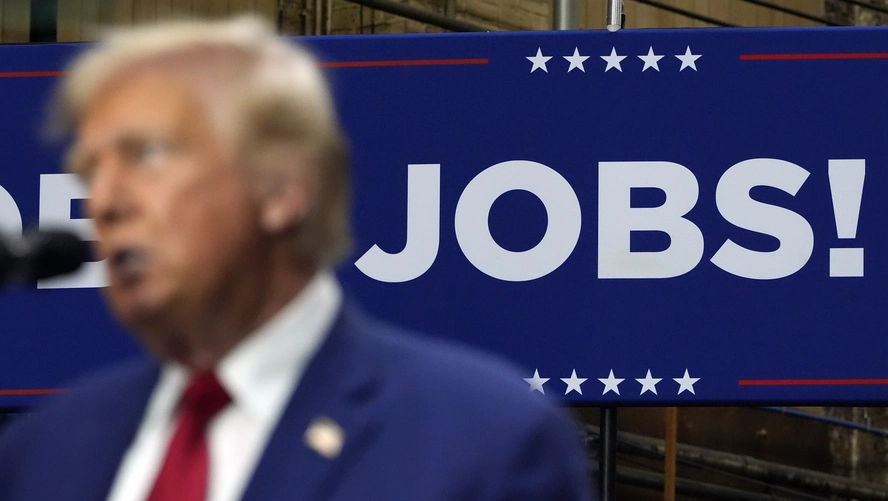
What makes this tricky is that the broader economy still has some muscle. The job market added more jobs than expected in April, and unemployment stayed at 4.3%. So people still have paychecks coming in. That helps keep spending alive, even if sentiment is falling off a cliff.
That is why this report matters. Consumers may sound gloomy in surveys, but they have not yet slammed the brakes on spending. Still, they are clearly getting more careful, especially with big-ticket purchases. Whirlpool’s rough quarter this week was a reminder that the pain is already showing up in some industries.
For now, the message from shoppers is pretty blunt: they are tired of paying more, and they are not loving what they see ahead.


The latest news in your social feeds
Subscribe to our social media platforms to stay tuned