

Altman Tells the Jury Musk Walked Away From OpenAI, Not the Other Way Around

Bloomberg, CNBC, the Guardian, NPR, and the Wall Street Journal contributed to this report.
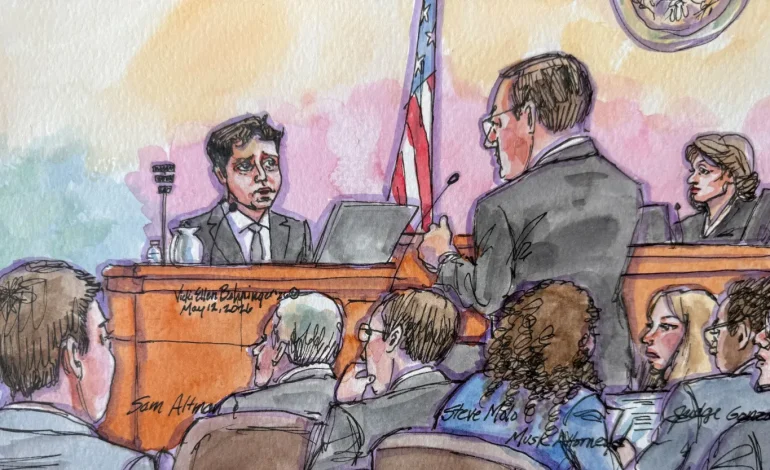
OpenAI CEO Sam Altman spent his time on the witness stand trying to flip Elon Musk’s core accusation on its head: he says Musk did not get cheated out of a charity – he left one to fend for itself.
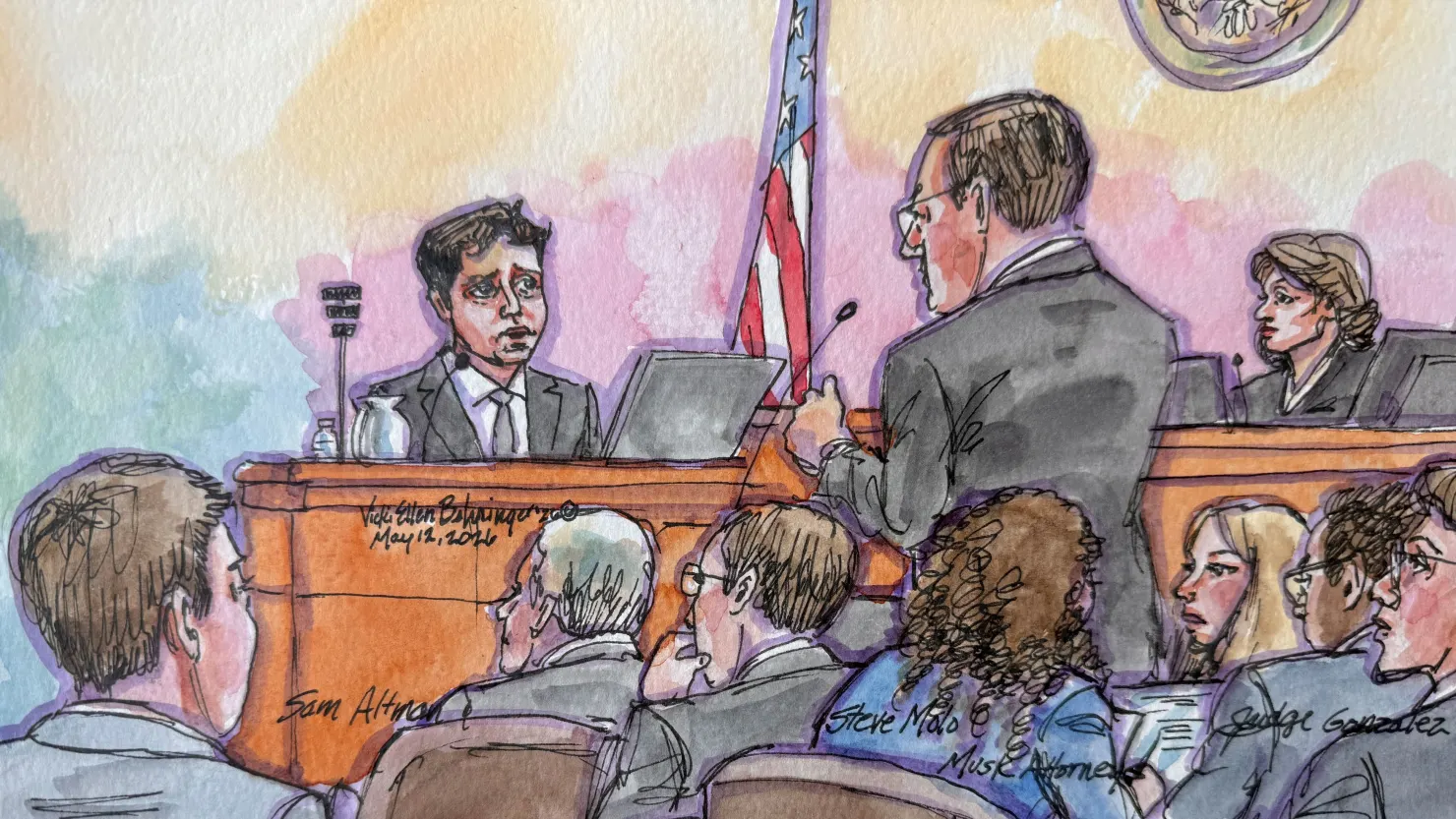
Altman testified Tuesday in federal court in Oakland as part of the Musk v. Altman trial, a showdown over OpenAI’s shift from nonprofit roots to a for-profit structure. Dressed in a blue suit and tie, he told jurors that Musk helped launch the company in 2015, then backed away when things got complicated.
“We were kind of left for dead,” Altman said.
That line is now at the heart of the case.
Musk, the world’s richest man, sued OpenAI, Altman and OpenAI president Greg Brockman in 2024. He says they ditched the company’s original nonprofit mission and turned it into something that now serves commercial interests first. He also argues that the roughly $38 million he donated was used in ways he never agreed to.
Altman pushed back hard. He said he never promised Musk anything about OpenAI’s corporate structure, and that Musk was ultimately more interested in control than mission.
The split traces back to messy internal negotiations in 2017 and 2018, when the founders were trying to figure out how to raise serious money for computing power. They talked through a bunch of options, including a for-profit setup, but never landed on a clean solution. Musk left the board in 2018.
Altman said Musk’s exit rattled some employees, but also gave others a jolt of relief. He described Musk’s management style as off-putting and said the billionaire “didn’t understand how to run a good research lab.”
The testimony also dug into Musk’s own words from that period. Altman said one email from Musk saying OpenAI had a 0% chance of staying relevant without major changes was burned into his memory.
That part of the story matters because it cuts against Musk’s current argument. OpenAI did eventually create a for-profit subsidiary, and today that business is valued by private investors at more than $850 billion. Musk says that structure became the tail wagging the dog. Altman says Musk only got angry once he lost control.
Altman told the court that Musk wanted majority control early on, and that he made clear he was the kind of person who only wanted to work on companies he could run himself. Altman said that made him deeply uneasy.
One of the more surreal stretches of testimony centered on Musk’s idea of merging OpenAI with Tesla. Musk reportedly offered Altman a seat on Tesla’s board in an effort to make the deal happen. Altman said no, arguing that the nonprofit mission would have been lost in the process.
“Tesla is a car company,” he said. “It does not have the mission of OpenAI.”
On cross-examination, Musk’s lawyer, Steven Molo, went after Altman’s credibility. He pressed Altman on whether he considered himself trustworthy. Altman started with “I believe so,” then quickly amended that to yes after Molo pushed back. Molo also raised concerns from former colleagues and board members, including the brief 2023 ouster that shocked the tech world.
Altman said that removal caught him completely off guard. He described the days after the firing as upsetting, angry and painful, saying he felt like he was watching years of work being dragged toward collapse.
“I had poured the last years of my life into this,” he said.
The trial is now in its final stretch. Closing arguments are set for Thursday, and the jury could begin deliberating after that. The jury’s role is advisory, but the case could still end up reshaping OpenAI’s future depending on how Judge Yvonne Gonzalez Rogers rules.


The latest news in your social feeds
Subscribe to our social media platforms to stay tuned