


Wyoming Cattle Ranchers Worried Over Trump Proposal To Lower Tariffs On Beef Imports


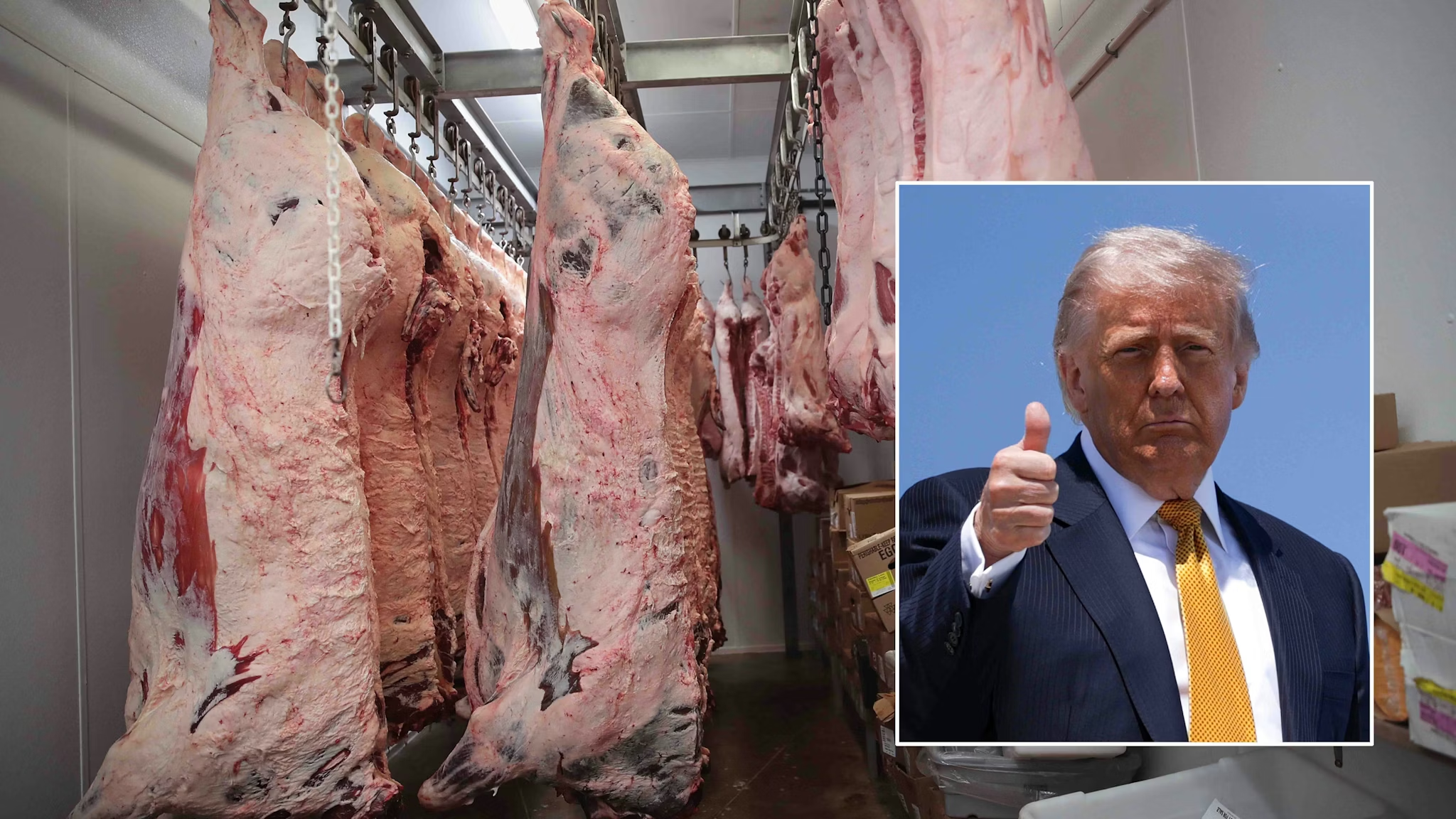
A Trump proposal to lower tariffs on beef imports to reduce consumer prices has Wyoming cattle ranchers deeply concerned. The president ultimately delayed signing the executive order after Republican lawmakers and agriculture groups warned the move could weaken cattle prices at a time when ranchers are finally beginning to recover from years of drought and financial strain.
“We’re certainly very concerned with it,” said Jim Magagna, executive vice president of the Wyoming Stock Growers Association. “He seems to be so intent on lowering the price of beef for the consumer. But the prices the consumer is paying today is what has made our industry viable.”
Beef prices have steadily climbed since 2021, driven largely by shrinking cattle numbers and strong consumer demand. Ground beef prices are up 40% from five years ago. Wyoming rancher and former National Cattlemen’s Beef Association chairman Mark Eisele previously said the U.S. has plenty of supply, but demand has remained high, keeping prices elevated.
U.S. Sen. Cynthia Lummis, a cattle rancher, said in a statement that the question of lowering tariffs on beef imports is a “challenging tightrope for the administration.” She warned that ranchers would lose significant money on livestock sales if lowered tariffs impacted overall cattle prices. U.S. Sen. John Barrasso added, “The world needs more Wyoming beef, not less. That should be the focus, not flooding the U.S. market with foreign beef.”
American Farm Bureau Federation President Zippy Duvall said, “Despite a historic drought limiting the supply of water and feed, the lone bright spot in farm country has been the cattle business. Ranchers are finally starting to recover from years of losses. Any plans to increase beef imports are extremely worrisome and could undermine the fragile recovery ranchers are experiencing.”
Most imported beef, industry leaders say, is trim meat combined with U.S. beef for hamburger. While increased imports might lower ground beef prices slightly, Magagna said it is unlikely to reduce the cost of steaks. “We’re meeting the consumer demand,” he said. “They’ve demonstrated they’re willing to pay the higher prices.”
Tyler Lindholm, a Crook County rancher and state director of Americans for Prosperity, said lowering any tariffs is a positive economic step, but he is no fan of importing more beef because U.S. beef is superior. He argued that a better way to lower beef prices would be allowing more direct meat sales between producers and consumers. Four corporate meatpacking companies control roughly 85% of beef processing in the U.S., and the Department of Justice recently launched an antitrust investigation. The PRIME Act, introduced by U.S. Rep. Thomas Massie and under review for the 2026 Farm Bill, would expand opportunities for smaller processors and local meat sales. “If Trump really wants to lower prices, then he should get the regulations out of the way,” Lindholm said.
According to Eisele, the cure for lower beef prices is simply time. Higher prices will attract investment in raising more cattle and reduce demand until a new equilibrium is reached. Supply is expected to keep tightening through 2026 and 2027 before any meaningful recovery, according to the American Farm Bureau Federation. Lummis said any policy change “needs to ensure that ranchers are not undercut and put in a tougher economic situation.”


The latest news in your social feeds
Subscribe to our social media platforms to stay tuned