





ABC News, CBS News, Axios, AP, Reuters, CNN contributed to this report.
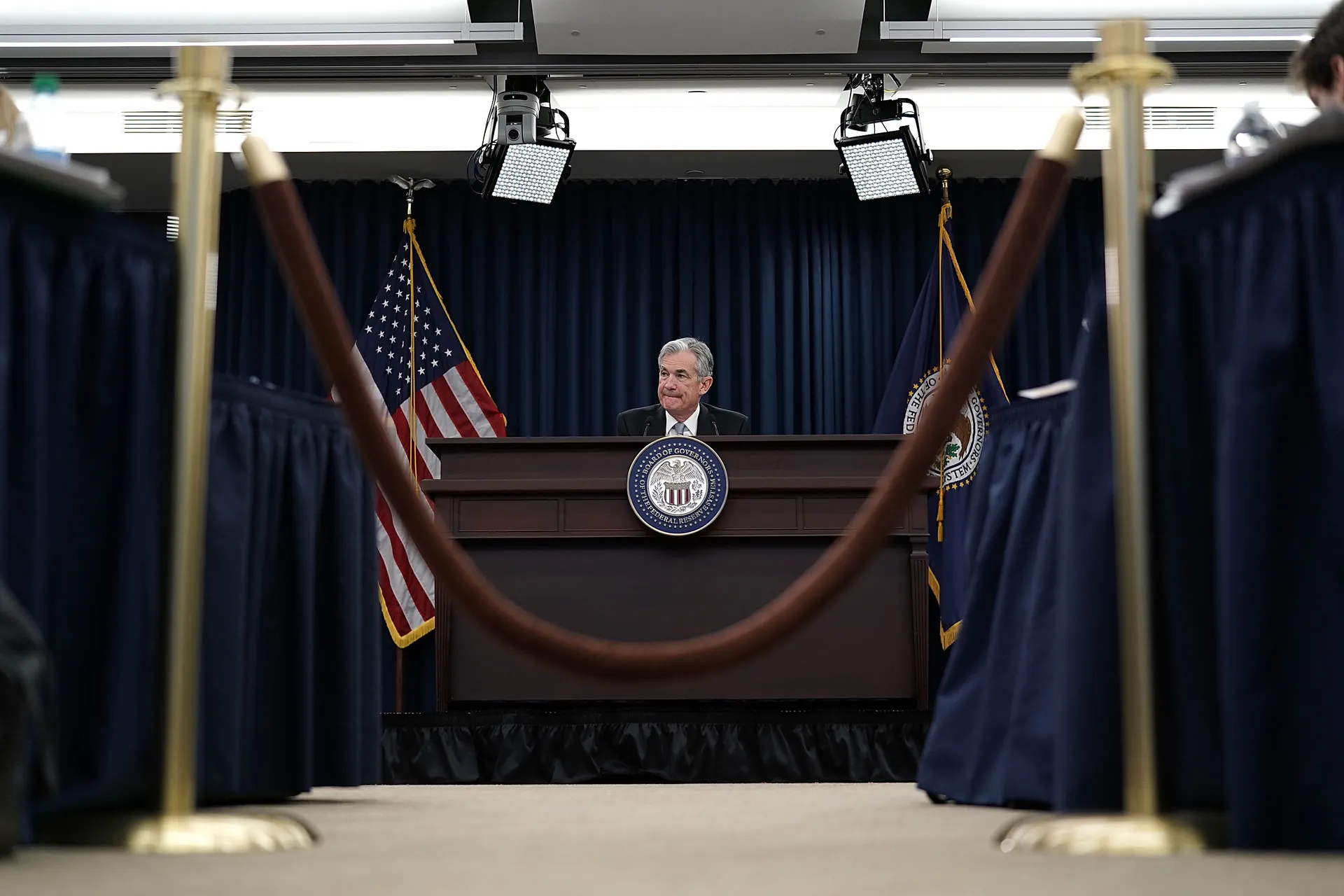
Jerome Powell didn’t get a quiet run at the Federal Reserve. He got a pandemic, the worst inflation spike in four decades, nonstop political attacks from Donald Trump, and eventually a criminal investigation tied to the Fed’s headquarters renovation. On Friday, after eight bruising years as chair, Powell steps aside with supporters calling him steady under pressure and critics arguing he waited too long to tackle inflation.
Either way, few Fed chairs have had a tougher assignment.
When Powell took over in 2018, the economy looked calm by comparison. Unemployment was low, inflation hovered near the Fed’s 2% target, and growth was solid. A former investment banker and Treasury official under President George H.W. Bush, Powell wasn’t the typical academic economist who usually lands the job. He came in as a consensus-builder, practical rather than ideological, someone more comfortable hammering out deals than delivering grand theories.
Then the world shut down.
In March 2020, as COVID-19 tore through the economy and millions of Americans lost their jobs almost overnight, Powell and the Fed moved at breakneck speed. Interest rates were slashed to near zero. Emergency lending programs flooded markets with liquidity. The Fed pumped trillions into the financial system to stop a full-scale collapse.
The approach worked – at least initially. The recession lasted only two months, the shortest on record in the US, and markets stabilized far faster than many economists expected. Powell’s “whatever it takes” posture turned him into an unlikely public figure, complete with internet memes portraying the Fed chair as a money-printing machine firing cash into the economy.
But the rescue effort came with a massive complication later on.
As the economy reopened, inflation exploded. Supply chains were tangled, consumer demand surged, wages climbed, and trillions in government stimulus money flooded through the system. Powell and many other policymakers initially insisted the inflation spike was “transitory,” a word that would later haunt the Fed.
By the summer of 2022, inflation had hit 9.1%, the highest level since the early 1980s.
That’s where Powell’s legacy gets messy.
Critics say the Fed stayed too loose for too long, keeping rates near zero even as prices accelerated across the economy. Mortgage rates, rents, groceries, cars – everything got more expensive, and Americans felt it daily. Powell eventually admitted the Fed misread the situation.
Once the central bank pivoted, it moved aggressively. Starting in 2022, the Fed unleashed its fastest rate-hiking campaign in decades, lifting borrowing costs to levels not seen since 2001. Powell repeatedly warned that bringing inflation down could involve “pain” for households and businesses.
Economists braced for a recession. It never arrived.
That may end up being the strongest argument in Powell’s favor. Inflation cooled sharply without the kind of economic collapse many feared. By late 2024, inflation had fallen close to the Fed’s target while unemployment stayed historically low. The so-called “soft landing” – long considered almost impossible – suddenly looked real.
“Inflation stayed high for too long, but once it came down, it came down really fast,” several economists noted in retrospectives on Powell’s tenure.
For many on Wall Street and inside Washington, that outcome softened criticism of the Fed’s earlier mistakes.
The second half of Powell’s tenure became less about economics and more about institutional survival.
Trump, who originally appointed Powell, turned against him quickly after the Fed raised rates during Trump’s first term. The attacks escalated dramatically after Trump returned to the White House in 2025. Powell was publicly mocked, pressured to cut rates, and targeted over cost overruns tied to the Fed’s $2.5 billion headquarters renovation project.
Things escalated even further in January, when the Justice Department opened an unprecedented criminal investigation into Powell over his congressional testimony about the renovation costs. Powell fired back publicly, calling the probe political pressure disguised as oversight.
For many economists, that confrontation became central to his legacy.
Powell spent years cultivating relationships in Congress, meeting lawmakers far more frequently than his predecessors. Those ties mattered when key senators pushed back against the administration’s pressure campaign and the DOJ eventually dropped the criminal probe.
Even critics of Powell’s inflation response often give him credit for defending the Fed’s independence at a moment when it came under direct attack.
That independence matters because the Fed’s job sometimes requires making painful decisions politicians hate – like raising interest rates before an election or slowing the economy to control inflation. Powell repeatedly argued the central bank couldn’t function properly if monetary policy became another partisan weapon.
Now Kevin Warsh, another former Fed official and Trump ally, takes over with inflation climbing again amid rising energy prices linked to the Iran conflict. The economy remains resilient in some areas, shaky in others. Unemployment is still relatively low. Inflation is back above target. Political pressure on the Fed isn’t disappearing anytime soon.
Powell, meanwhile, isn’t leaving entirely. In an unusual move, he plans to remain on the Fed’s Board of Governors until at least 2028, though he says he could step away once the inspector general’s investigation into the renovation project wraps up.
His record will probably be argued over for years.
He helped steer the economy through the chaos of the pandemic and avoided a recession after inflation spiraled. He also underestimated how severe that inflation would become in the first place. He frustrated both progressives and conservatives at different moments. And through it all, he stayed remarkably restrained in public while the political pressure around him intensified.
For a Fed chair, that combination may end up defining the Powell era more than any single interest-rate decision.


The latest news in your social feeds
Subscribe to our social media platforms to stay tuned