

Samsung Strike Threat Grows as South Korea’s President Pushes for a Labor Deal

CNBC, Reuters, the Financial Times, the Wall Street Journal, and Fortune contributed to this report.
South Korea’s President Lee Jae Myung is urging both sides to cool things down before Samsung Electronics faces what could become its biggest strike ever.
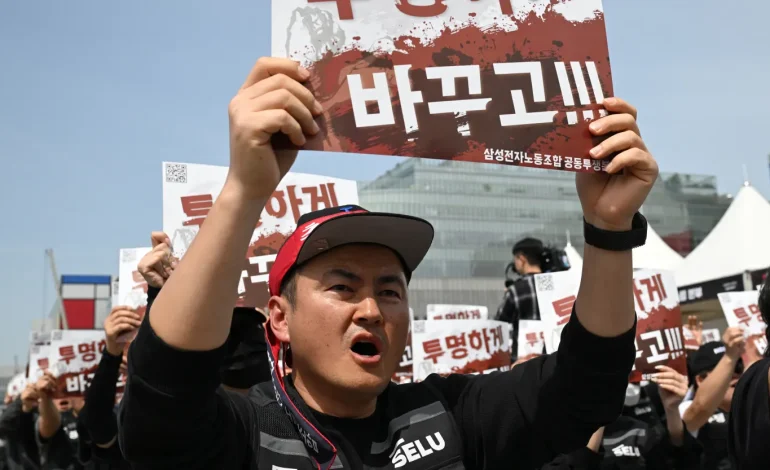
On Monday, Lee said labor rights and management rights should both be respected, a pointed appeal as Samsung and its union race toward a May 21 walkout deadline. The message was clear: neither side should overplay its hand. In Lee’s words, workers deserve fair treatment, but corporate management rights matter too.
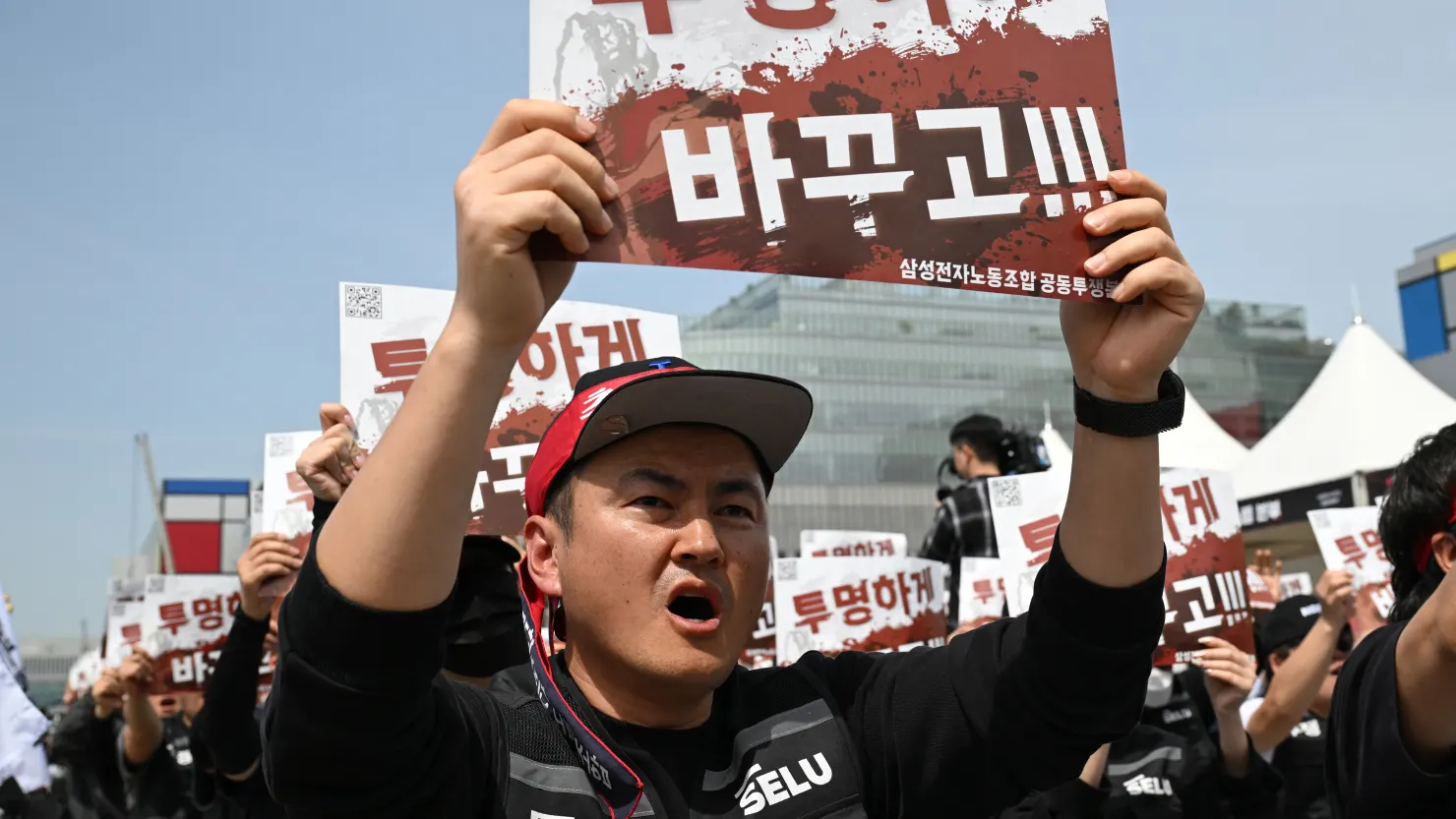
The pressure is rising fast. Samsung’s union says more than 47,000 workers could join the strike, which is set to last 18 days unless talks produce a breakthrough. Government officials are warning that any major disruption could spread well beyond Samsung itself, hitting exports, financial markets and broader growth in Asia’s fourth-largest economy.
That concern is not exaggerated. Samsung Electronics is a giant in South Korea, and Seoul’s presidential office says the company’s revenue accounts for 12.5% of the country’s GDP. When Samsung sneezes, the rest of the economy tends to feel it.
The dispute centers on pay, bonuses and how the company shares its profits. The union wants performance bonuses set at 15% of operating profit, no cap on payouts, and a more formal bonus structure. Management has reportedly offered a lower figure and a one-time special payment instead, but the gap remains wide.
Talks were still underway on Monday, described by officials as a last real chance to avoid a shutdown. South Korean Prime Minister Kim Min-seok said the government would consider emergency measures if the strike looked likely to cause serious damage. Under the law, labor authorities can suspend industrial action for 30 days if a dispute is judged to threaten the economy or everyday life.
The numbers being floated are eye-watering. Kim said direct losses could hit 1 trillion won, or about $664.7 million. In a worst-case scenario, he warned, the damage could be far higher if chip production is disrupted enough to force Samsung to scrap wafers already in process.
The union pushed back hard against those claims, saying previous production pauses were tied to equipment checks, maintenance and process changes. It also accused the government of leaning too heavily on management’s version of events.
Samsung’s stock got a lift Monday anyway, climbing as much as 6.65% before giving back some gains. Investors seemed to like the idea that the court had partly sided with Samsung by ordering the union to make sure any strike would not damage production. Even so, the threat has not gone away.
The timing could hardly be more sensitive. Memory chips are in high demand again, helped by the boom in AI data centers, smartphones and laptops. Samsung is a major player in that market, and any prolonged stoppage would ripple through supply chains far beyond South Korea.
That is exactly why government officials have been so vocal. Finance Minister Koo Yun Cheol said last week that strikes should be avoided under any circumstances, while Samsung chairman Lee Jae-yong issued an unusually public apology over the weekend, saying customers around the world had reason to feel worried.
For now, everything comes down to the talks. If they fail, South Korea could be staring at a labor showdown with consequences far bigger than a single factory floor.



The latest news in your social feeds
Subscribe to our social media platforms to stay tuned