



Trump Pauses Iran Strike as Gulf Leaders Push for Talks
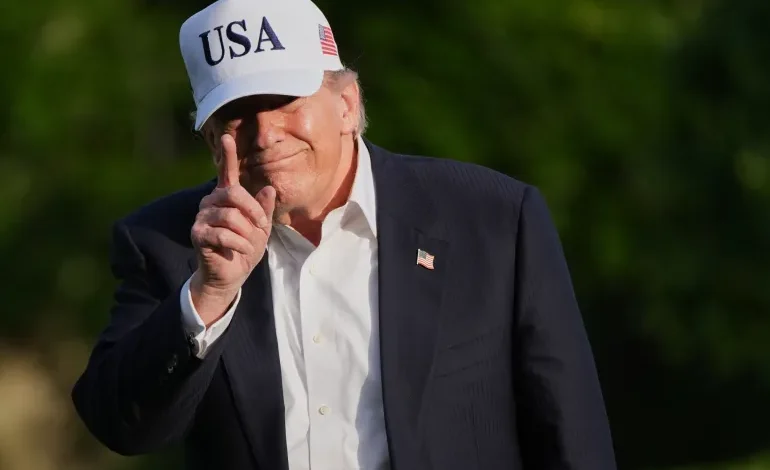


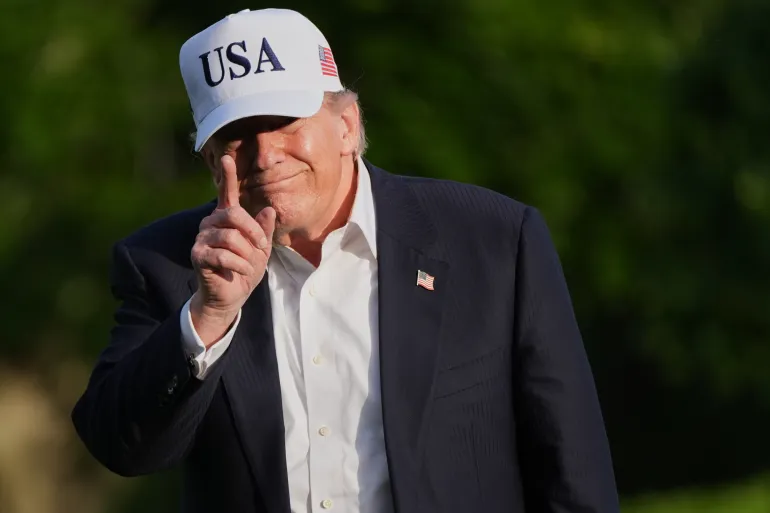
Donald Trump says he has postponed a planned US attack on Iran after appeals from Middle Eastern leaders, casting the move as a pause for diplomacy rather than a retreat from military pressure.
The US president said the reversal came because “serious negotiations are now taking place”, though it remains unclear whether the stalled talks have produced any real breakthrough.
“A Deal will be made, which will be very acceptable to the United States of America, as well as all Countries in the Middle East, and beyond,” Trump wrote on Truth Social.
Trump credited regional leaders, including Qatari Emir Tamim bin Hamad Al Thani and Saudi Crown Prince Mohammed bin Salman, with influencing the decision.
“I have instructed Secretary of War, Pete Hegseth, The Chairman of The Joint Chiefs of Staff, General Daniel Caine, and The United States Military, that we will NOT be doing the scheduled attack of Iran tomorrow,” Trump added.
But the pause came with a clear warning. Trump said he had also ordered US forces “to be prepared to go forward with a full, large scale assault of Iran, on a moment’s notice, in the event that an acceptable Deal is not reached”.
The announcement followed several days of escalating rhetoric from Trump. Just a day earlier, he warned Iranian officials that the “clock is ticking” and said that if they failed to agree to a deal, “there won’t be anything left of them”.
Pakistan has been mediating between Washington and Tehran since the US joined Israel in attacking Iran on February 28, triggering the current war. The negotiations have struggled to move past the same core disputes: Iran’s nuclear programme, sanctions relief, frozen assets, missile capabilities, regional alliances and control over the Strait of Hormuz.
Trump has repeatedly argued that the war is necessary to stop Iran from obtaining a nuclear weapon, something Tehran denies seeking.
“This Deal will include, importantly, NO NUCLEAR WEAPONS FOR IRAN,” Trump wrote.
The US is also seeking limits on Iran’s uranium enrichment, a rollback of its regional ties, and restrictions on its missile arsenal and navy. Iran has described those demands as excessive and has pushed instead for sanctions relief and the release of frozen assets.
The Strait of Hormuz remains one of the most difficult issues. Iran has restricted traffic through the crucial waterway, while the US has imposed its own naval blockade. The standoff has disrupted energy markets and raised fuel prices globally.
Earlier on Monday, Iranian President Masoud Pezeshkian said Tehran would negotiate, but not on terms that amount to surrender.
“Dialogue does not mean surrender,” Pezeshkian said. “The Islamic Republic of Iran enters into dialogue with dignity, authority, and protection of the rights of the nation, and will not retreat from the legal rights of the people and the country in any way.”
The current ceasefire, reached on April 8, has remained fragile. Both sides have accused the other of violations, and earlier diplomatic efforts have repeatedly sputtered. In late April, Trump said he would send Steve Witkoff and Jared Kushner to Pakistan for talks, only to pull them back after growing frustrated with the process.
The war has also become a political problem for Trump at home. A New York Times poll released Monday found that 64 percent of US adults believe going to war with Iran was the wrong decision. Pentagon officials say the conflict has cost at least $29bn so far, though some experts believe the final cost could be much higher.

The latest news in your social feeds
Subscribe to our social media platforms to stay tuned