





AP, CNN, Bloomberg, Market Watch contributed to this report.
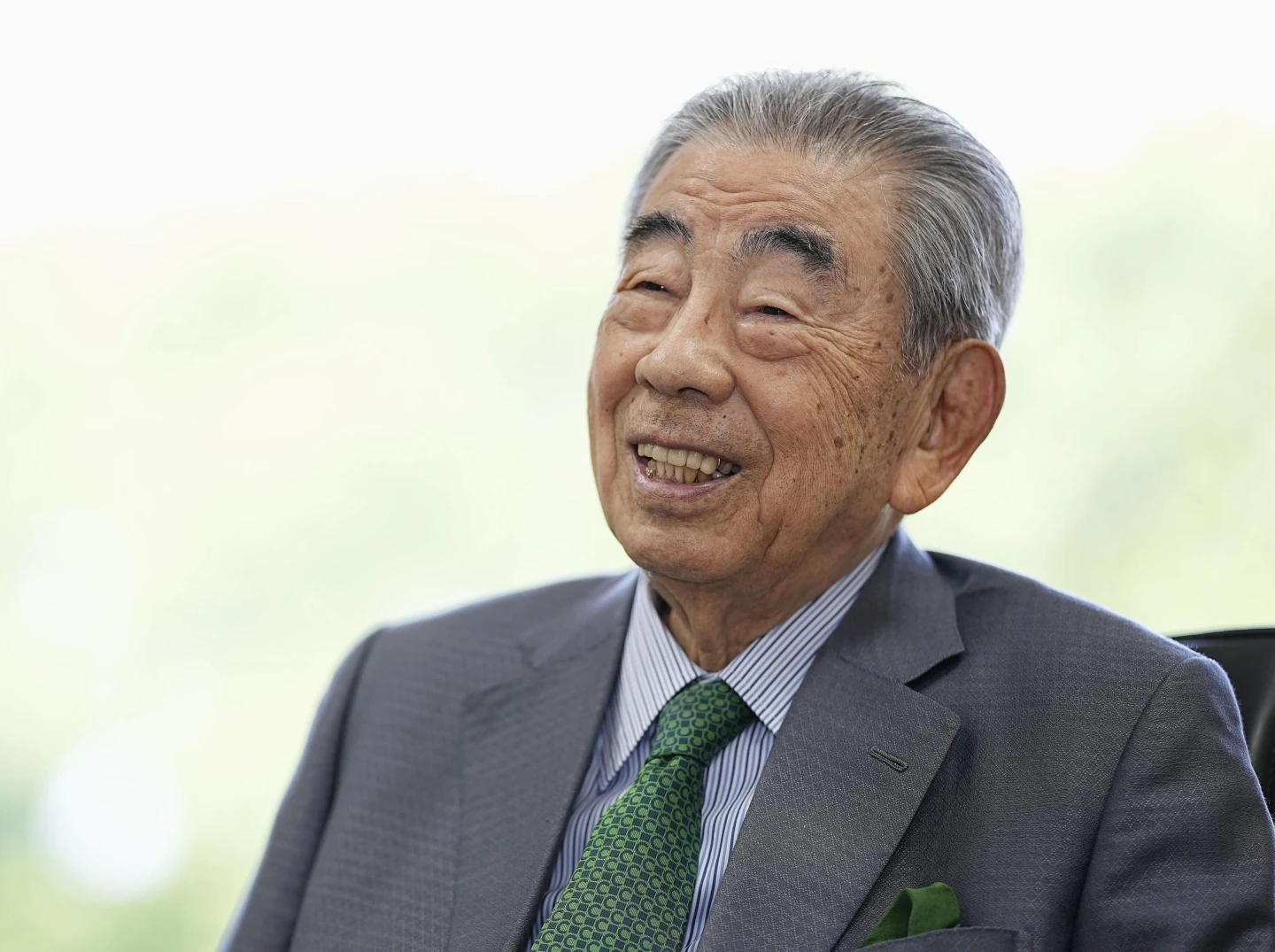
Toshifumi Suzuki, the founder of Seven-Eleven Japan and a towering figure in the rise of Japan’s convenience store culture, has died of heart failure at the age of 93, Seven & i Holdings said Monday. He died at his Tokyo home on May 18.
Born in Nagano in 1932, Suzuki began his career at a book wholesaler before joining Ito-Yokado in 1963. Not everyone was convinced by his idea to bring 7-Eleven to Japan. Suzuki pushed ahead anyway, teaming up with Southland Corp., the US operator of 7-Eleven, to launch Seven-Eleven Japan in 1973. The first store opened in Tokyo the next year.
What followed was a retail model that changed daily life in Japan. Suzuki leaned heavily on data to decide what to stock, built a system around fresh, ready-to-eat meals, and kept inventory moving fast. That formula helped turn convenience stores from a novelty into an essential part of Japanese shopping.
Under Suzuki’s leadership, 7-Eleven also became a lifeline for customers who wanted more than snacks and drinks. Stores expanded into bill payments, ATM services, document copying and other everyday tasks, making them a fixture of urban life.
He later played a key role in rescuing Southland after its parent company fell into bankruptcy in the early 1990s, then went on to help establish Seven & i Holdings in 2005 as the business grew into a retail giant. He stepped down as chairman in 2016 after a management dispute, but remained a powerful presence in the industry.
Suzuki also helped steer a string of acquisitions and expansion moves, including banking services and department store assets such as Sogo and Seibu, as Seven & i broadened its reach.
Funeral services will be private, and the company said it is declining flowers and condolence gifts. A public ceremony will be announced later.



The latest news in your social feeds
Subscribe to our social media platforms to stay tuned