


Trump’s Victory Sets New Direction for US Energy Policy, Impacting Clean Energy Initiatives
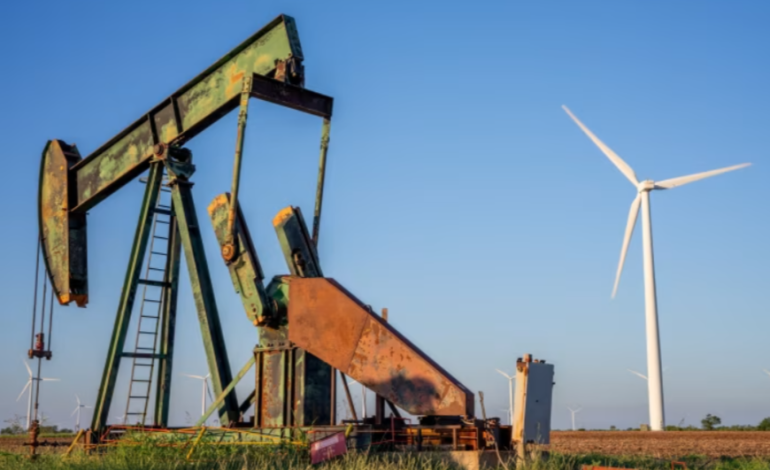

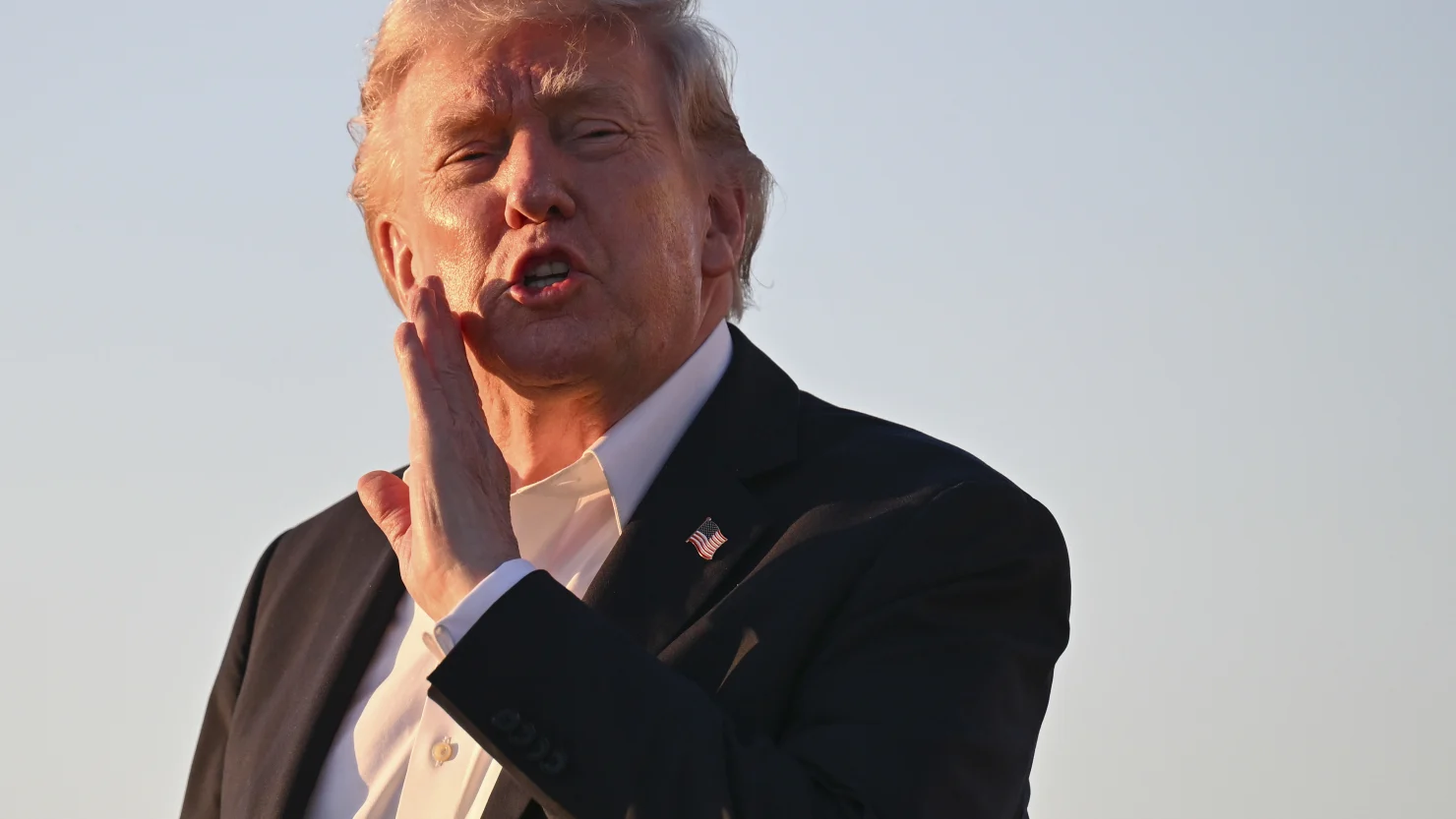
Following Donald Trump’s election victory, shifts in the US energy landscape are creating a recalibration of clean energy projects and investments, the Financial Times reports.
With renewed focus on expanding domestic oil and gas production, some clean energy companies are pausing their operations in anticipation of policy changes, reflecting a cautious but potentially strategic realignment for the industry.
Solar manufacturer Heliene, for instance, has paused its $150 million US manufacturing project, awaiting clearer signals from the incoming administration. Likewise, Princeton NuEnergy, a battery recycling company, is reassessing its plans for a $300 million facility, as Trump’s administration may bring substantial shifts to the renewable energy sector. For many clean energy companies, the potential repeal of the Inflation Reduction Act (IRA) represents an area of uncertainty. The IRA, which became law in 2022, has spurred $450 billion in private clean energy investments and set the US on a rapid path to decarbonization. Trump’s campaign pledged to terminate this support, which has raised concerns among renewable energy stakeholders.
Some renewable energy stock prices dropped in response to the election results. The iShares Global Clean Energy ETF fell by 7%, and stocks for solar and wind companies like First Solar and Denmark’s Vestas also declined. Despite this short-term volatility, industry leaders maintain that clean energy’s fundamental economics will continue to drive investments. Renewable energy sources such as solar and wind, according to Lazard, remain among the cheapest and most reliable forms of new electricity.
Trump’s first term saw renewable energy growth through measures such as tax credits for solar, wind, and electric vehicles. According to data from Raymond James, solar and wind installations rose by 32% and 69%, respectively, during Trump’s previous tenure, while electric vehicle sales more than doubled. Although offshore wind projects requiring federal permits and some electric vehicle initiatives may face challenges, analysts believe that solar and onshore wind will continue to see robust growth due to their cost advantages.
Some clean energy executives are optimistic about continued innovation in the US energy sector. ESS, an Oregon-based battery storage company, expressed confidence that a Trump administration would still provide a favorable environment for clean energy solutions. Additionally, Trump’s promise to apply tariffs of up to 60% on imported clean energy components, particularly from China, aligns with his aim to bolster US manufacturing, which may drive local production in the long term.

The latest news in your social feeds
Subscribe to our social media platforms to stay tuned