




For years, many people dismissed Bitcoin as a passing trend, a financial experiment embraced by tech-savvy millennials and libertarians.
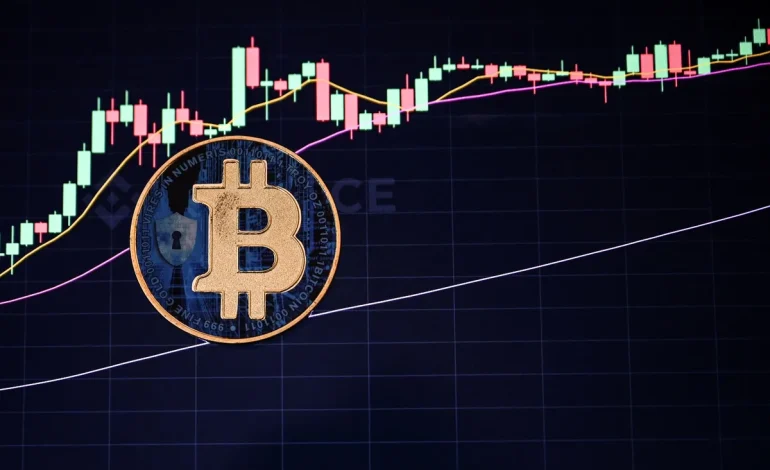
But as Bitcoin’s value has skyrocketed, especially after recently crossing the $100,000 mark, attitudes have begun to shift. What was once seen as a speculative fad is now being viewed by some as a legitimate investment opportunity — though not without significant risk.
The latest surge in Bitcoin’s price has reignited a familiar question: Is it too late to get in?
Bitcoin’s journey has been anything but smooth. Skeptics scoffed when it reached $1,000 in 2013, and again when it flirted with $20,000 in 2017. Yet, the latest milestone of $100,000 is prompting a fresh wave of interest — and anxiety. For those who missed earlier buying opportunities, the fear of missing out (FOMO) is palpable.
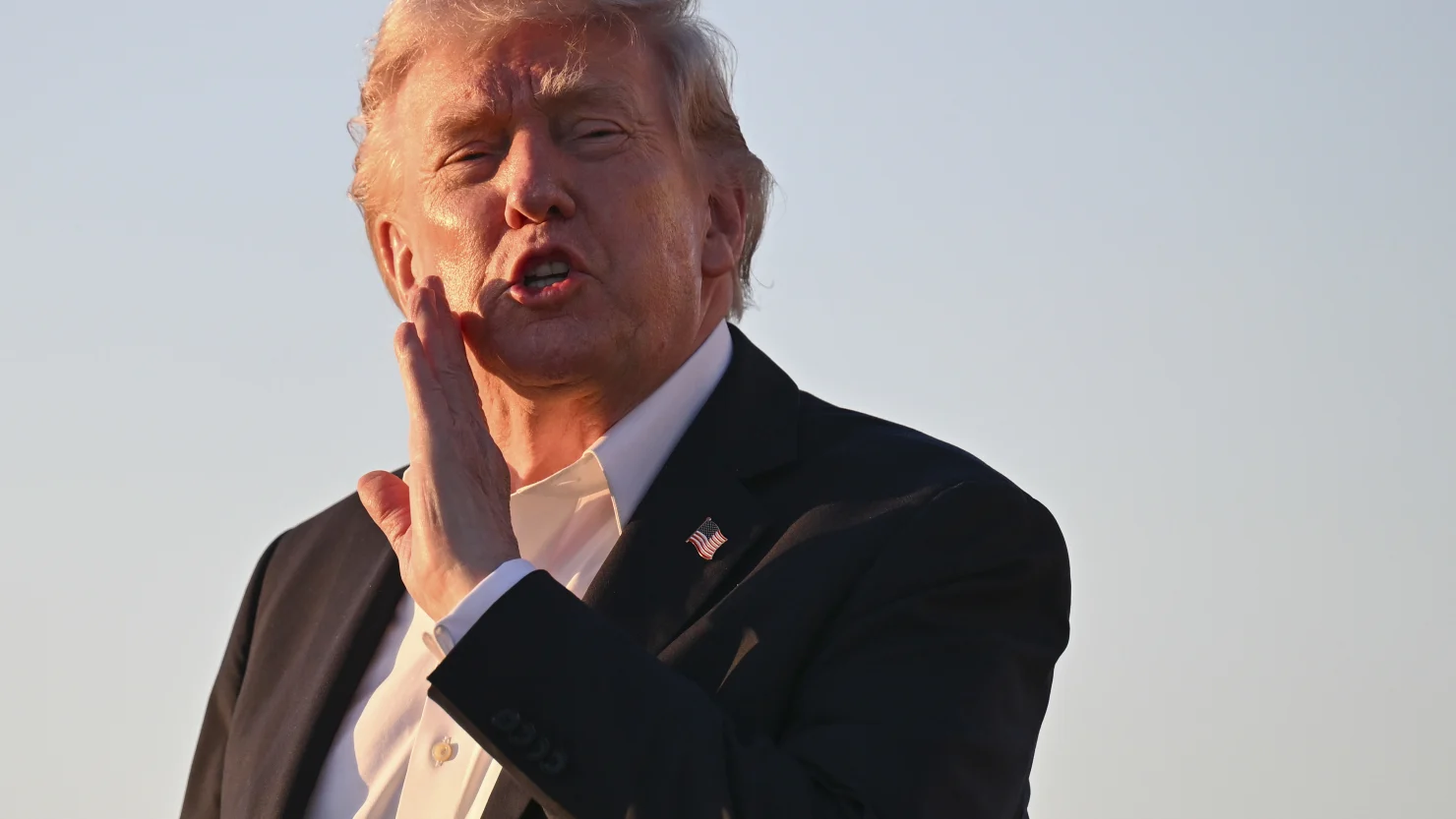
Several factors are driving Bitcoin’s latest rally. Chief among them is the so-called “Trump effect.” During his campaign for a second term, Donald Trump promised to make the US the “crypto capital of the planet.” His victory sparked speculation that the new administration would pursue crypto-friendly policies, further fueling demand for digital currencies. Reports that Trump may appoint pro-crypto officials, such as a dedicated “crypto czar,” have only added to investor confidence.
Cryptocurrency is a form of digital money that operates on decentralized networks using blockchain technology. Unlike traditional currencies issued by governments or banks, cryptocurrencies are not controlled by any central authority. Bitcoin is the most well-known and widely held cryptocurrency, but there are thousands of others in circulation.
For years, purchasing cryptocurrency required navigating specialized exchanges — a process that deterred many casual investors. But regulatory changes in early 2024 made it possible for American investors to trade Bitcoin through Exchange-Traded Funds (ETFs), similar to how they trade stocks. This shift has made crypto investments more accessible to the general public.
Experts have mixed views on whether it’s too late to invest in Bitcoin.
“It is not too late to start investing in cryptocurrencies,” says Caleb Silver, editor-in-chief of Investopedia.
He advises potential investors to consider their financial goals, risk tolerance, and timeline before jumping in.
“All cryptocurrencies, including Bitcoin, are highly volatile, unregulated, and widely misunderstood,” he warns.
Bernd Schmid, a crypto analyst with The Motley Fool, agrees that it’s not necessarily too late.
“Crypto adoption is today where internet adoption was in the late 1990s and early 2000s,” he says.
Schmid suggested that there is still room for growth. However, he emphasizes that investors should have a long-term perspective.
On the other hand, Bryan Armour, director of passive strategies research at Morningstar, urges caution.
“It’s not too late, but that doesn’t mean it’s necessarily a good investment,” he notes.
Armour highlights that Bitcoin’s high volatility can overwhelm a portfolio, recommending that no more than 5% of an investor’s total portfolio be allocated to crypto.
Jonathan Swanburg, a certified financial planner, is more skeptical.
“If you didn’t like crypto at $20,000, I think you need to ask yourself why you’d like it at $100,000,” he says.
Swanburg warned that fear of missing out is often a poor motivator.
Bitcoin’s recent rally has been attributed, in part, to expectations surrounding Donald Trump’s second presidential term. Trump’s pro-crypto stance has fueled optimism that regulatory hurdles will be reduced, potentially opening the door for wider adoption.
Craig J. Ferrantino, president of Craig James Financial Services, says this moment has been a long time coming. Among millennials, “everybody knows someone who’s become a crypto millionaire,” he says. Older generations, however, are less likely to be familiar with the asset or its underlying technology.
David Sacks, a former PayPal executive, is reportedly being considered for the role of “crypto czar,” and Paul Atkins, a Wall Street veteran, is expected to play a key role in shaping the regulatory framework. If these appointments materialize, it could lead to more favorable conditions for Bitcoin and other digital assets.
If you’re considering an investment in Bitcoin, you have several options. One of the easiest ways is to purchase shares of a Bitcoin Exchange-Traded Fund (ETF), which tracks the price of Bitcoin without requiring you to own the digital currency directly. This option eliminates the need for digital wallets and private keys, simplifying the process for mainstream investors.
Online brokerage accounts now offer access to ETFs, such as the iShares Bitcoin Trust or Fidelity Wise Origin Bitcoin Fund, which are backed by reputable financial institutions. Bryan Armour suggests these funds for their liquidity and low expense ratios.
Alternatively, investors can purchase actual Bitcoin through platforms like Coinbase or Robinhood. While owning actual Bitcoin provides more control and potential upside, it also requires managing private keys and navigating storage issues — something that may be daunting for newcomers.
Experts agree on one key point: Don’t invest more than you can afford to lose.
“All cryptocurrencies are speculative and risky assets that are still unregulated,” says Silver.
He recommends capping investments in Bitcoin at 5% of a diversified portfolio. Armour echoes this view, stating that beyond 5%, Bitcoin’s volatility could destabilize an otherwise balanced investment strategy.
Jonathan Swanburg’s advice is more blunt: Invest “as much as you’d be comfortable investing in a Beanie Baby collection back in 1998.” His skepticism underscores the enduring caution many financial planners maintain toward speculative investments.
Bitcoin’s future is uncertain. Its value is heavily influenced by market speculation, regulatory developments, and macroeconomic factors. While pro-crypto government policies may provide short-term boosts, long-term trends depend on broader adoption and the stability of the financial system.
There’s also a growing divide between Bitcoin’s original vision as “digital money” and its current role as “digital gold.” Despite its meteoric rise in value, few people are using Bitcoin for everyday transactions. Most holders see it as a store of value — a hedge against inflation and financial instability. Recent surveys by Deutsche Bank and the UK Financial Conduct Authority found that only a small percentage of consumers use Bitcoin for payments.
Even so, recent regulatory changes and high-profile endorsements have made Bitcoin more accessible than ever. If the “Trump effect” plays out as some predict, the next few years could see a wave of new crypto-related financial products and services.
Is it too late to invest in Bitcoin? The answer depends on your financial goals, risk tolerance, and investment horizon. While some experts believe the market still has room to grow, others argue that Bitcoin’s current valuation reflects most of the potential upside.
For those willing to accept the risks, a modest investment in a Bitcoin ETF may provide exposure without the headaches of managing digital wallets. But for those motivated purely by FOMO, caution is warranted. After all, if you didn’t believe in Bitcoin at $20,000, why would you embrace it at $100,000?



The latest news in your social feeds
Subscribe to our social media platforms to stay tuned