



European leaders are starting to adjust their footing after US President Donald Trump signalled a drawdown of American forces in Germany — a move that lands in the middle of already tense transatlantic relations.
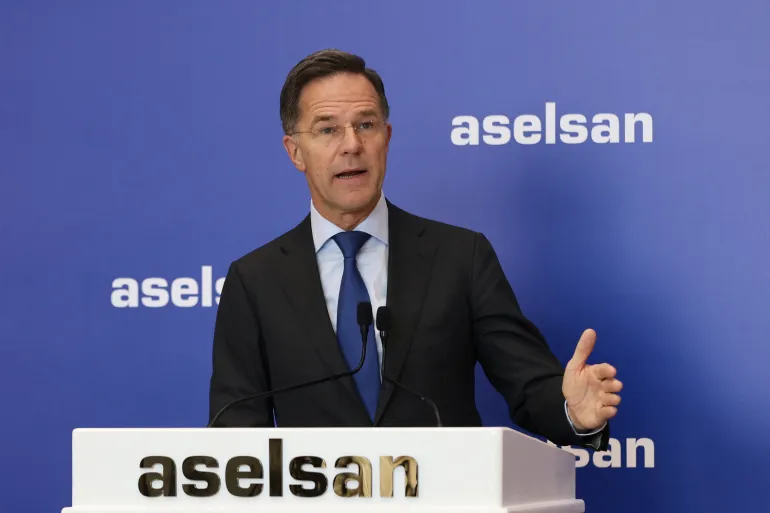
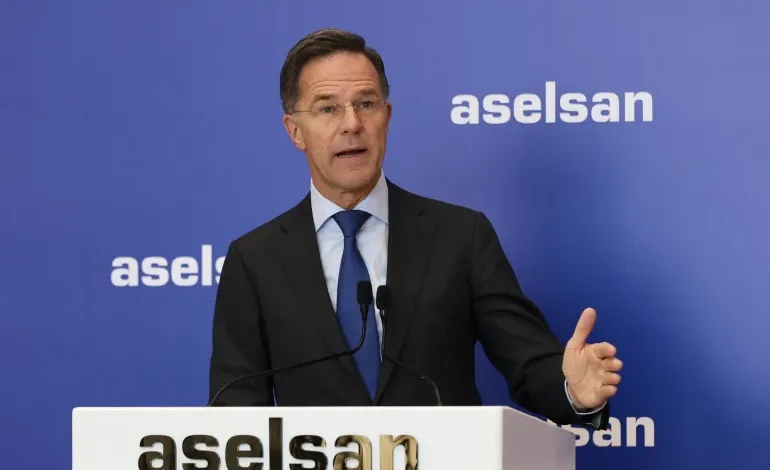
NATO Secretary-General Mark Rutte framed the shift as a wake-up call rather than a rupture.
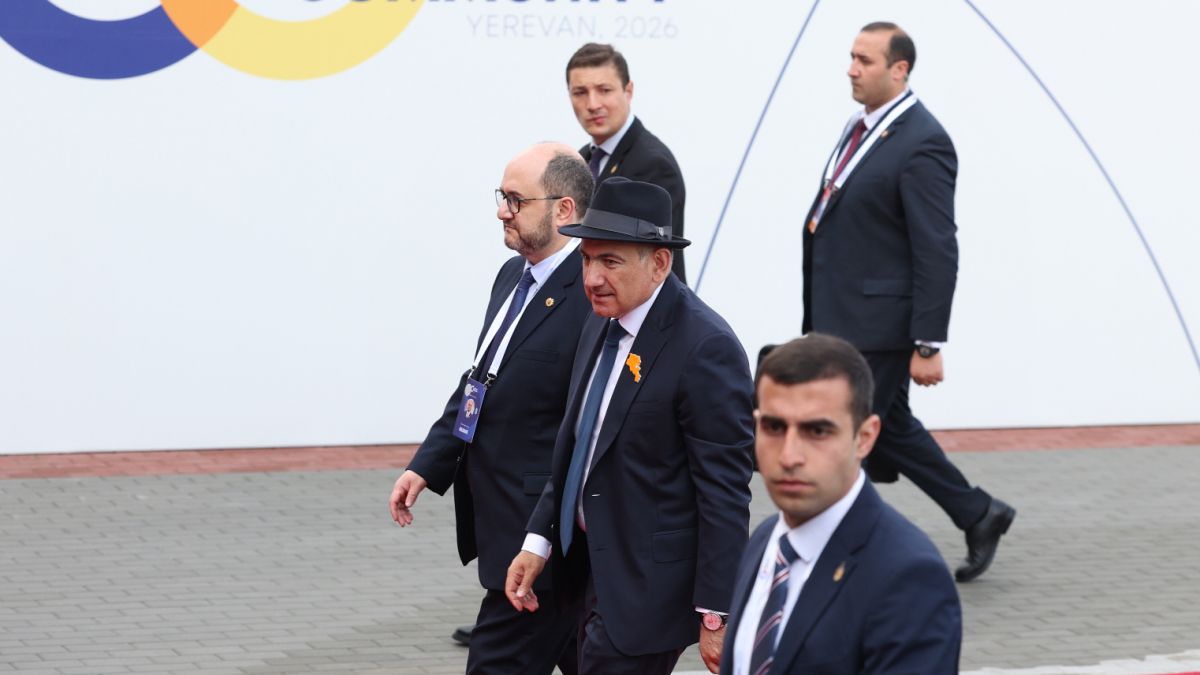
“European leaders have gotten the message. They heard the message loud and clear,” Rutte said before a European Political Community meeting in Armenia. He pointed to a broader recalibration underway across the alliance: “Europeans are stepping up, a bigger role for Europe and a stronger NATO.”
The Pentagon’s announcement on Friday — outlining plans to withdraw 5,000 troops from Germany — came just days after German Chancellor Friedrich Merz publicly criticised the trajectory of talks with Iran, saying the US was being humiliated in negotiations aimed at ending the war. The timing raised eyebrows in Brussels. EU foreign policy chief Kaja Kallas called it a “surprise,” while underlining a point that often sits just below the surface of these debates: “American troops are not in Europe only for protecting European interests but also American interests.”
Behind the messaging, there’s a more practical scramble. NATO officials are still trying to pin down what exactly the US decision means on the ground. Alliance spokesperson Allison Hart said over the weekend that members “are working with the US to understand the details of their decision on force posture in Germany.” In other words, the headline came before the fine print.
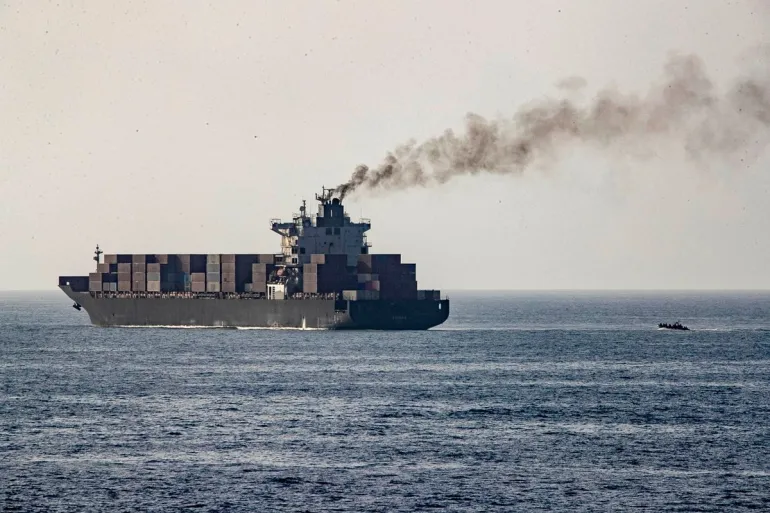
The backdrop is a widening rift over the US-Israel war on Iran. European criticism has been building as the conflict spills into the global economy, particularly through disruptions in the Strait of Hormuz. Merz has already drawn parallels to earlier US military campaigns in Iraq and Afghanistan, warning of both strategic drift and economic fallout. “It is, at the moment, a pretty tangled situation,” he said. “And it is costing us a great deal of money. This conflict, this war against Iran, has a direct impact on our economic output.”
Some European governments are moving beyond rhetoric. Spain, led by Prime Minister Pedro Sanchez, has refused to allow US strikes on Iran to be launched from its territory. Sanchez described the war as “unjustified” and a “dangerous military intervention” outside international law — language that drew a sharp response from Trump, who labelled Spain “terrible” and threatened to cut trade ties.
Still, the picture isn’t one of outright disengagement. Rutte noted that “more and more” European countries are positioning naval assets, including minehunters and minesweepers, closer to the Gulf in anticipation of what he called the “next phase” of the conflict. He did not provide details, and European governments have previously maintained they would not take on a direct policing role in the Strait of Hormuz while the war continues.

The latest news in your social feeds
Subscribe to our social media platforms to stay tuned