



Trump Hints at Potential Direct Talks with Iran Despite Escalating Tensions

Despite escalating tensions and a barrage of threats exchanged between Washington and Tehran, US President Donald Trump suggested on Thursday that Iran may be willing to engage in direct talks with the United States, as per Al Jazeera.
Speaking to reporters, Trump expressed optimism about the possibility of face-to-face diplomacy with Iran, following a period marked by heightened rhetoric and increased sanctions.
“I think it’s better if we have direct talks,” Trump stated. “I think it goes faster, and you understand the other side a lot better than if you go through intermediaries. They wanted to use intermediaries. I don’t think that’s necessarily true any more.”
Trump’s comments follow a letter sent to Iranian leadership last month calling for negotiations regarding Iran’s nuclear program, coupled with repeated threats of military action.
While Tehran has previously rejected direct negotiations with Washington, indicating a preference for indirect diplomacy, it remains unclear whether Iran’s position has shifted, or if Trump’s statement reflects speculation about Tehran’s potential willingness to engage.
The US administration has been steadily increasing economic pressure on Iran through a series of sanctions aimed at crippling the country’s oil exports, particularly to China. This pressure campaign is a continuation of Trump’s 2018 decision to withdraw the US from the multilateral Iran nuclear deal, which saw Iran limit its nuclear program in exchange for the lifting of international sanctions.
Iran maintains that its nuclear program is solely for peaceful purposes and that it does not seek to develop nuclear weapons. This claim comes as Israel, a key US ally in the region, is widely believed to possess an undeclared nuclear arsenal.
Since assuming office in January, Trump has pledged to bring “peace” to global conflicts, adopting a mixed approach of diplomatic overtures and hawkish warnings towards Iran.
In response to US pressure, Iranian officials have issued their own warnings, stating that any attack on Iran would be met with retaliation against US troops and interests in the Middle East.
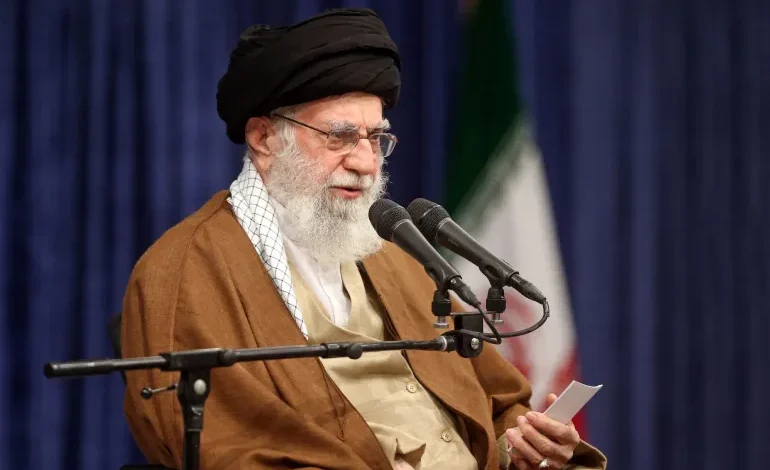
“The US must know that, when facing Iran, threats will never achieve anything,” Iranian Supreme Leader Ayatollah Ali Khamenei stated last month, according to Iran’s Tasnim News Agency.
However, analysts suggest that Iran’s regional standing has weakened in the context of the ongoing conflict in Gaza and broader geopolitical shifts. Key allies have been lost or weakened, including the death of top Hezbollah leaders at the hands of Israel and the ousting of Syrian President Bashar al-Assad by armed opposition groups last December.
Whether these shifts will compel Iran to reconsider its stance on direct talks with the US remains to be seen. Trump’s suggestion has introduced a new element of uncertainty into the volatile relationship between the two nations, with the possibility of either a breakthrough in diplomacy or further escalation still on the table.


The latest news in your social feeds
Subscribe to our social media platforms to stay tuned