
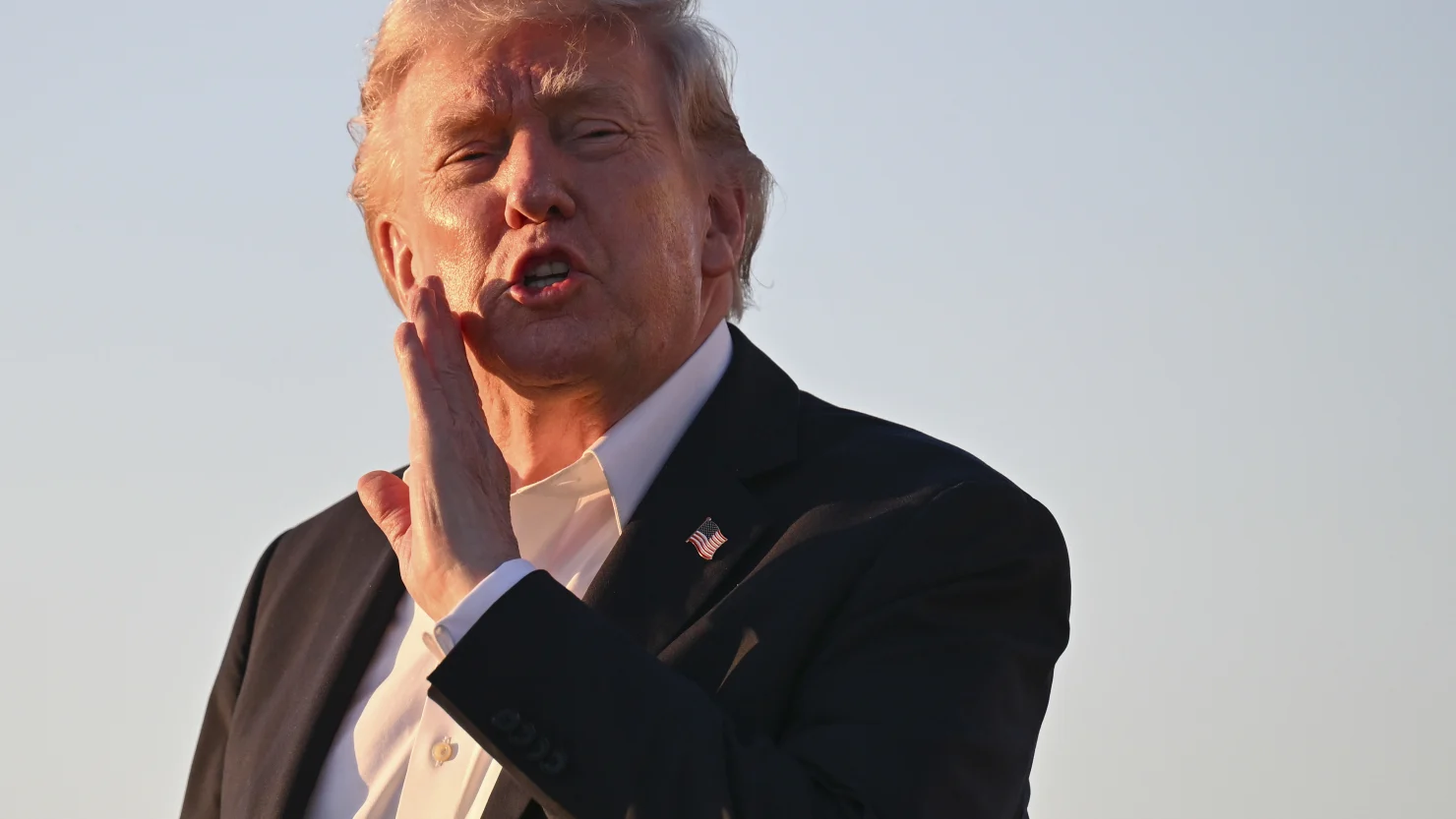


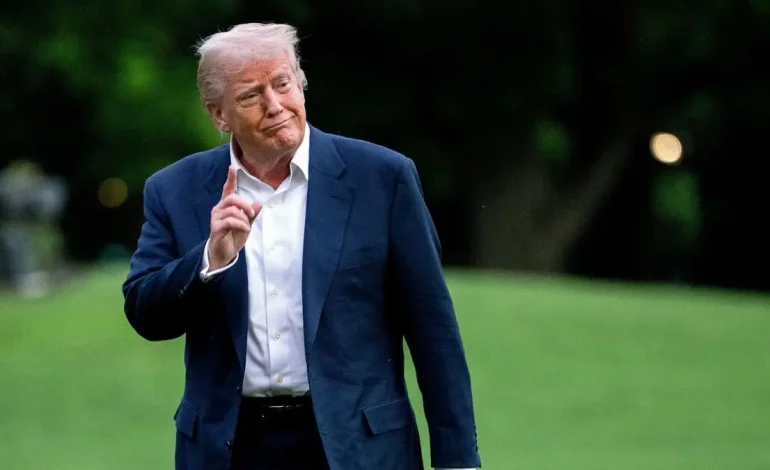

President Donald Trump announced Sunday his intention to impose a 100% tariff on films produced overseas, marking the first time his restrictive trade policies have been extended to the entertainment sector, Bloomberg reports.
In a post on Truth Social, the president stated he was directing the Commerce Department and the US Trade Representative to “immediately begin the process of instituting” the levy on foreign movies.
“WE WANT MOVIES MADE IN AMERICA, AGAIN!” Trump proclaimed.
The president also framed foreign productions as a national security concern, alleging that other nations are using films for messaging and propaganda.
Trump’s announcement follows meetings held over the weekend with actor Jon Voight and his manager, Steven Paul, at his Mar-a-Lago Club. While Voight and Paul presented proposals for more federal tax incentives for US film and TV production, including expanding existing tax credits, they did not propose tariffs as part of their plan. However, the president reportedly discussed the possibility of such levies during the meetings, though no specifics were discussed.
Unanswered Questions, Potential Impact
The mechanics of implementing such a tariff remain unclear. Questions abound regarding how such movies would be valued for tariff collection purposes, particularly given the increasingly global nature of film production, which often involves shooting in foreign locations and utilizing international post-production services. It is also uncertain whether the tariff would apply to films already shot but not yet released, or only to new productions.
Several upcoming Hollywood releases, including Walt Disney Co.’s “The Fantastic Four: First Steps” and Universal Pictures’ “Jurassic World Rebirth,” include extensive filming in foreign locales and could be impacted by the proposed tariff. Historically, many big-budget US films have been partially or largely filmed outside the US, such as “Avatar,” which was primarily shot in New Zealand, and “Avengers: Endgame,” which utilized international locations including Scotland and the UK.
The film and TV industry supported approximately 2.3 million jobs in the US in 2023, according to the Motion Picture Association trade group. The association has yet to respond to a request for comment on Trump’s proposed tariffs.
Concerns Over Job Losses, Industry Decline
While the US film industry remains globally influential, foreign films have seen a surge in popularity in recent years, earning critical acclaim and prestigious awards, such as the South Korean thriller “Parasite,” which won four Academy Awards, including Best Picture in 2020.
Film and TV production in the US has contracted in recent years due to factors such as media companies cutting spending to boost profits during the transition from traditional TV to streaming services. These streaming services are also increasingly expanding globally and looking to produce content for foreign markets.
Data from research firm ProdPro indicates that spending on film and TV production in the US fell 28% between 2021 and 2024. Countries such as Canada, Australia, and the UK are experiencing an increase in film and TV production, driven in part by attractive tax incentives and lower production costs.
Movie and TV filming in the greater Los Angeles area declined 22% in the first quarter, reflecting California’s ongoing loss of business to other areas.



The latest news in your social feeds
Subscribe to our social media platforms to stay tuned