



For over a decade, General Motors (GM) has been engaged in a comprehensive effort to restore Cadillac as a leading name in the global luxury vehicle market, CNBC reports.
Once dubbed “the standard of the world,” Cadillac has faced decades of declining US market share, increased foreign competition, and shifting consumer tastes. Now, GM is making a renewed push to reestablish the iconic brand as the premier American luxury nameplate.
The stakes are high. Luxury vehicles offer significantly higher profit margins than mass-market models and appeal to a more affluent customer base. For GM, revitalizing Cadillac is not just a matter of brand prestige—it’s a strategic necessity.
Cadillac’s revival is being shaped at GM’s historic global design headquarters in Michigan, where midcentury-modern architecture evokes memories of the automaker’s 1950s dominance. GM President Mark Reuss, who oversees all GM brands, has emerged as a central figure in the Cadillac project. Although he wasn’t part of the brand’s golden era, Reuss has championed Cadillac’s resurgence as a personal mission.
“There isn’t a lot of American luxury brands. There just isn’t,” Reuss said in an interview. “It’s time… to show the world what we can do.”
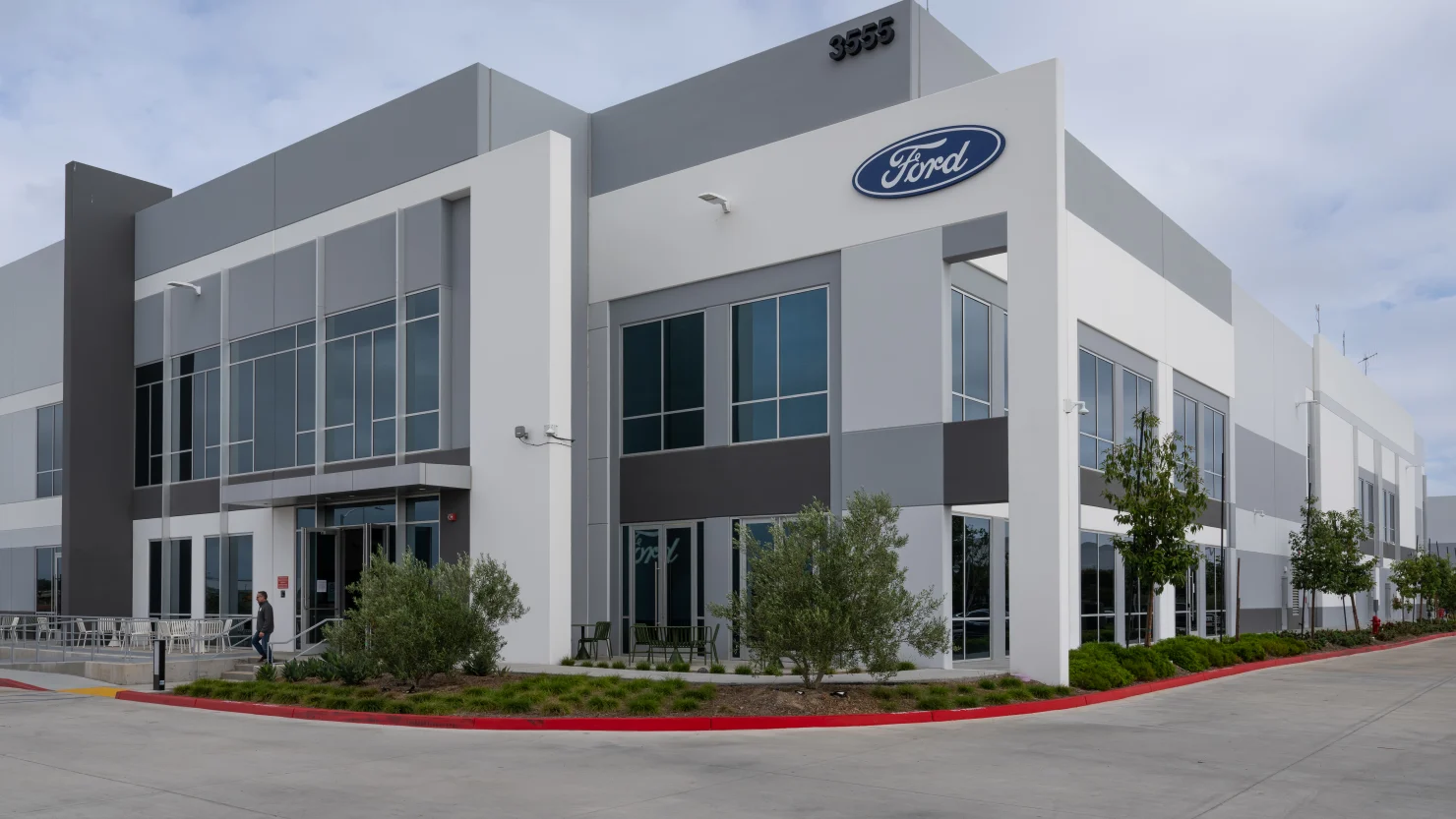
While Cadillac has long vied with Ford’s Lincoln in the domestic luxury segment, it now also faces stiff competition from foreign automakers such as BMW, Mercedes-Benz, Lexus, and electric-only brands like Tesla and Lucid Motors.
Since 2015, GM has moved to isolate Cadillac from the rest of its portfolio by minimizing part-sharing and giving Cadillac vehicles distinct designs, interiors, and in some cases, exclusive powertrains. A major turning point came in 2018, when GM executives held a vision-setting meeting inside the company’s famed design dome. There, they laid the foundation for a revitalized product strategy focused on modern luxury, performance, and electrification.
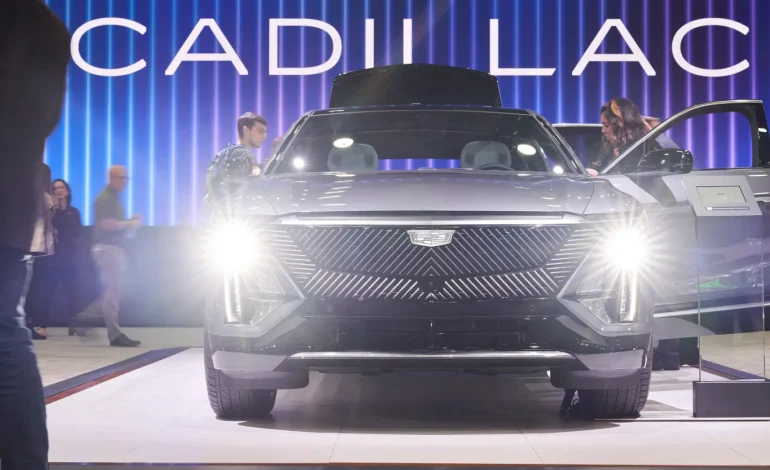
Cadillac’s transformation now rests on a mix of premium electric vehicles (EVs), stylish sedans, and the enduring popularity of the Escalade SUV. The launch of the Lyriq EV in 2022 marked the start of Cadillac’s electric chapter, while the ultra-luxury, hand-built Celestiq—priced at around $300,000—aims to redefine American automotive craftsmanship.
While Cadillac has made headway in North America—with sales rising 18% in the first quarter of 2025 and April marking its best month since 2007—challenges remain. Sales in China, once Cadillac’s largest market, have dropped sharply amid rising competition from domestic Chinese automakers and broader shifts in consumer preference. In 2021, China accounted for over 60% of Cadillac’s global sales. By 2024, that figure had dropped to 38%.
Production delays, software readiness issues, and uneven EV adoption have also hampered the rollout of some new models. For example, Cadillac is currently relaunching the Celestiq to ensure software systems meet expectations, signaling the complexity of balancing innovation with reliability.
Despite these hurdles, industry analysts remain optimistic.
“Right now, I think they’re in really good shape,” said Stephanie Brinley, an automotive analyst at S&P Global Mobility. “They have been more consistent with how to handle the Cadillac brand.”
Unlike past strategies focused on scaling production, Cadillac now prioritizes brand value over volume. This shift means avoiding “badge engineering” or rebadging mainstream GM vehicles, and instead investing in distinctively Cadillac models. Even proposals for a Cadillac version of the Corvette were dismissed to preserve this focus.
“Volume is not the goal,” said John Roth, Cadillac’s global vice president. “It’s about growing brand health and value.”
Roth emphasized that while North American momentum is strong, Cadillac is committed to rebuilding sales and brand recognition in China and reentering the European market—a region GM exited in 2017.
Cadillac remains behind global leaders like BMW, Mercedes-Benz, and Audi in total sales, but GM executives view the brand’s trajectory with optimism. CEO Mary Barra recently underscored Cadillac’s American manufacturing roots and growing appeal to US consumers as competitive advantages.
As Cadillac navigates changing markets, electrification, and evolving consumer expectations, GM’s leadership sees no finish line—only a continual push to elevate the brand.
“We keep moving that finish line,” Roth said. “We keep raising the bar on what the brand needs to stand for.”



The latest news in your social feeds
Subscribe to our social media platforms to stay tuned