





Climbers warn Wyoming’s wild crags could get paved over if Roadless Rule is rolled back
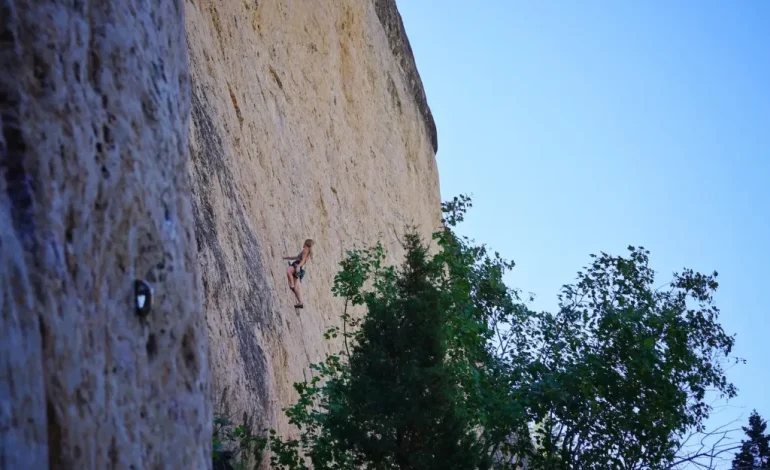

Climbing groups are sounding the alarm over a federal move to rescind the 2001 Roadless Rule, saying the change could open some of Wyoming’s most beloved cliffs and alpine basins—think the Wind River Range, Tensleep Canyon, the Bighorns and the Absarokas—to roadbuilding and logging. The public has until Friday night to weigh in, and comments are already pouring in by the million, Oil City News reports.
“Rolling back Roadless would expose tens of millions of acres to activities that chip away at the very qualities that draw people to these places—wildness, serenity, solitude,” said Katie Goodwin, policy analyst at the Access Fund.
In Wyoming alone, the proposal would reshape management on about 3.26 million acres, from big chunks of Bridger-Teton and Bighorn national forests to smaller tracts near Flaming Gorge and Medicine Bow—places climbers, hikers and paddlers treat like second homes.
The Roadless Rule has been the backcountry’s guardrail since 2001, largely prohibiting new roads, major road reconstruction and commercial timber harvests across what was then nearly 60 million acres of inventoried roadless lands; today it covers close to 45 million. It’s been sued, defended and tweaked for nearly a quarter-century. The latest push to yank it comes in the wake of President Donald Trump’s executive order to pare back regulations. Agriculture Secretary Brooke Rollins has called the rule “disastrous,” arguing that scrapping it would hand control back to local governments and revive the timber economy in rural communities.
Supporters of rescission say the rule ties the hands of land managers in a new era of megafires.
“For nearly 25 years, the Roadless Rule has frustrated land managers and served as a barrier to action—prohibiting road construction, which has limited wildfire suppression and active forest management,” Forest Service Chief Tom Schultz said, pointing to drought, insects and disease that have left forests “dangerously overstocked.”
He framed the change as returning decisions “to local Forest Service experts who best understand their forests and communities.”
Conservation and recreation groups counter that this is a solution in search of a problem. Outdoor Alliance estimates that roadless protections overlap with more than 25,000 miles of trails, nearly 800 miles of whitewater, and roughly 8,700 climbing routes and boulders nationwide. They argue the rule already allows targeted work for public safety and fuels reduction and call the proposed repeal “devastating” for backcountry recreation, clean water and climate resilience.
On the ground, fire fears are very real in places like Star Valley. The week before Rollins announced the rollback, Lincoln County Commissioner Kent Connelly warned legislators that thick, largely unlogged stands in the Salt River and Wyoming ranges put nearby towns in the crosshairs.
“Alpine is totally in trouble if we catch the Greys River on fire,” he said. “There’s no way to defend it. Or Star Valley Ranch. You’re going to have to watch it burn.”
Tribal leaders are also pushing back, saying the administration moved without the consultation required by law and that a rollback could harm access to traditional foods, animals and cultural sites.
“Removing the Roadless Rule will lead to the destruction of Indigenous sacred places,” said Judith LeBlanc, executive director of Native Organizers Alliance.
The Forest Service formally noticed its plan in late August to prepare an environmental impact statement on rescission, triggering the current comment window. By Tuesday, more than a million comments had landed, with the clock running out Friday. For climbers who cut their teeth on Wind River granite or Tensleep limestone, the stakes feel personal. As the Access Fund put it, this isn’t abstract policy—it’s “another attack on the lands we love.”



The latest news in your social feeds
Subscribe to our social media platforms to stay tuned