



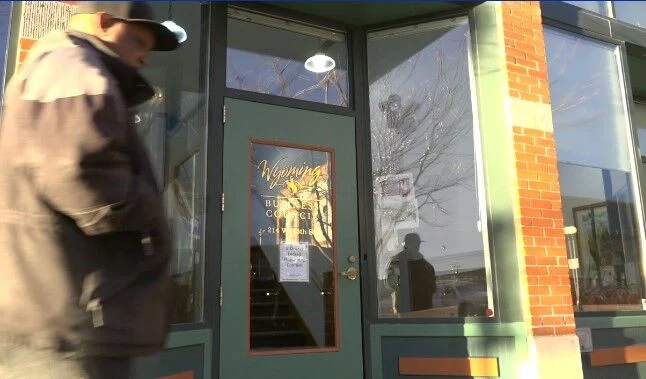

Wyoming’s main economic development agency is stepping out from behind the desk and into the public eye, microphone in hand. With its very existence now on the line, the Wyoming Business Council is holding open forums across the state, hoping to prove its worth directly to the people. This public push comes at the most precarious moment in the agency’s history, as powerful voices in the legislature are working not just to cut its budget, but to dismantle it entirely.
The threat is stark. Budget writers on the Joint Appropriations Committee have put forward a proposal that would strip away nearly all of the council’s funding. If it passes, the agency would be left with a skeletal budget, a devastating blow for an office that has long served as a cornerstone for business growth and community support from Evanston to Gillette. It’s a move that CEO Josh Dorrell and his team are fighting with a simple, human strategy: conversation.
The recent public meetings are a direct response to the political storm. Dorrell isn’t just giving presentations; he’s fielding questions, hearing concerns, and trying to cut through the noise of the capital. The goal is transparent—to remind Wyomingites what the council actually does before lawmakers decide it does nothing at all. The message from the council is that they are more than bureaucrats; they are the navigators who help small towns secure grants for water lines, the advisors who guide startups through complex loan applications, and the strategists working to attract new employers.
But in Cheyenne, a philosophical battle is raging. A contingent of lawmakers sees the council as a relic of government overreach, an unnecessary hand on the scales of the free market. Their argument is that Wyoming’s economy should grow organically, without state interference they view as “picking winners and losers.” This isn’t just about trimming fat; legislation has been floated that would repeal the agency’s statutory authority, potentially making Wyoming an outlier as a state with no central economic development engine.
On the other side, mayors, county commissioners, and business owners describe a different reality. For them, the Business Council is an indispensable partner. In a state with 23 counties and limited local resources, the council’s staff provides expertise most communities can’t afford. Whether it’s developing an industrial park in a former mining town or expanding broadband into remote areas, local leaders argue they rely on the council’s support. Governor Mark Gordon has echoed this, cautioning against a total defunding that could abruptly halt ongoing projects and send a chilling message to investors.
The council’s defenders point to a tangible record: loans that saved family-owned shops, technical assistance that helped manufacturers expand, grants that built critical infrastructure. They warn that without a coordinated strategy, Wyoming will struggle to keep its young workforce and compete for major projects. Eliminating the council, they say, isn’t just cutting a budget line—it’s abandoning a frontline tool for economic survival.
Yet, the criticism is deeply rooted. Opponents remain unconvinced, seeing the public meetings as a last-ditch lobbying effort rather than a true reckoning. Their core belief—that government has no place in business—isn’t swayed by success stories.
As the 2026 legislative session looms, these open-mic events are more than just public relations. They are a foundational part of the council’s fight for survival. The question hanging over every handshake and answered query is whether this direct appeal to the public can change minds in the capitol, or if Wyoming is ready to embark on a radical, uncharted experiment: building its economic future entirely from the ground up, without a guiding hand from the state.


The latest news in your social feeds
Subscribe to our social media platforms to stay tuned