





Reuters, the Financial Times, Bloomberg, BBC, and the Guardian contributed to this report.
The air got thin at the top. After months of gravity-defying gains, the world’s AI darlings finally hit a downdraft, knocking global indexes off record highs and jolting traders who’ve been riding the boom. From Seoul to Tokyo to Wall Street, the same movie played: the names that ran the hardest sold off the fastest, and the question shifted from “is AI real?” to “did we sprint too far, too fast?”
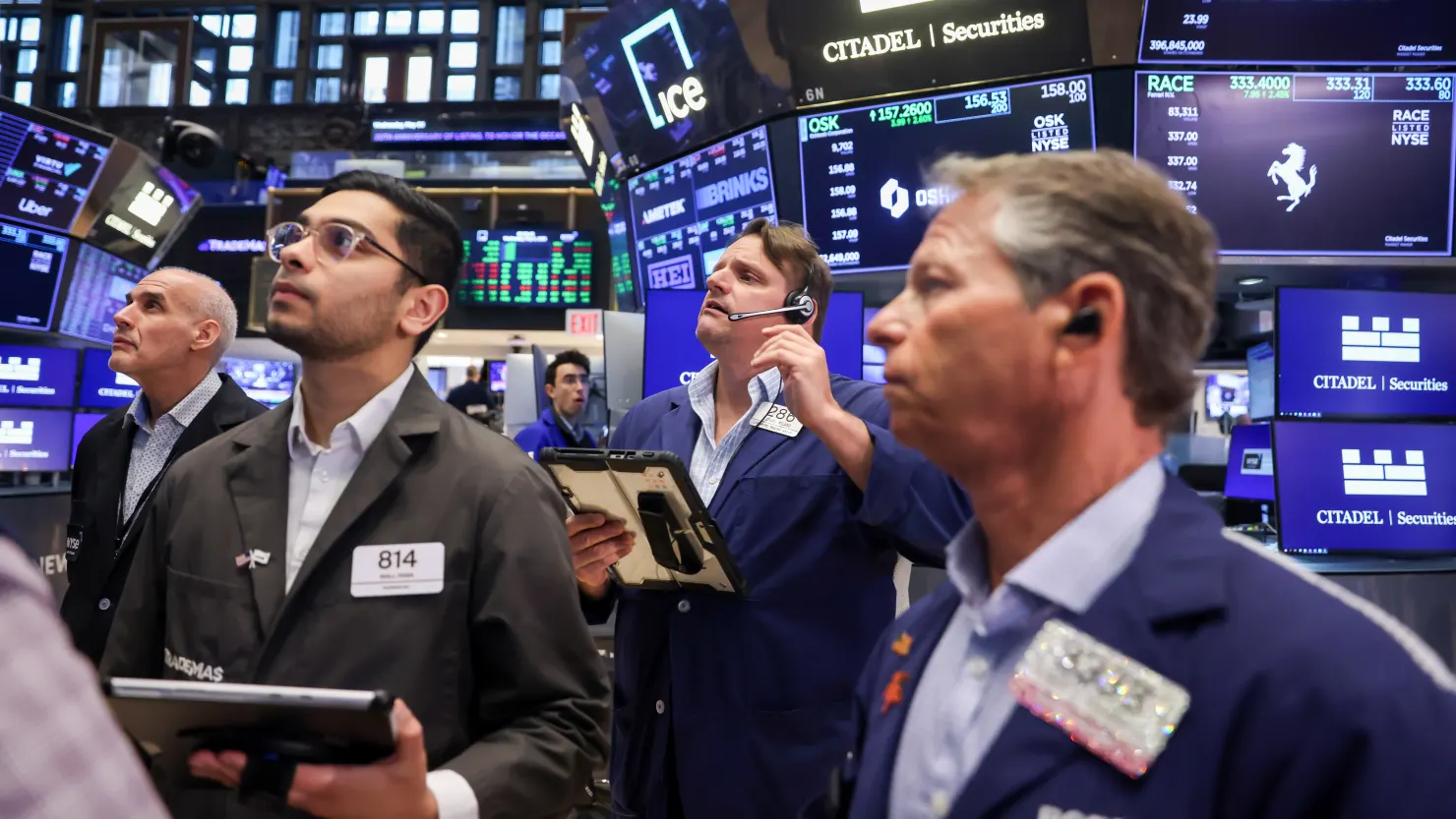
There wasn’t a single smoking gun. The slide started with a sour reaction to otherwise solid numbers at Palantir, which fell hard despite raising its outlook. That set the tone in the US, where the Nasdaq dropped about 2% and Nvidia — poster child of the AI trade — slid nearly 4%, leaving it roughly 7% below its recent peak. By the Asian open, the selling had gone broad. Korea’s Kospi and Japan’s Nikkei were each down sharply intraday as traders hit chipmakers and anything tethered to the AI supply chain. SoftBank, which has leaned heavily into AI bets, plunged; Samsung, SK Hynix and TSMC got clipped too.
Under the hood, this looks less like an “AI is dead” moment and more like a positioning flush. Portfolio managers describe it as the classic year-end muscle memory: lock in big gains, de-risk a little, and be ready to jump back in if prices stabilize. The winners’ circle — semis, model builders, data plumbers — had racked up astonishing runs since the spring. With that kind of momentum, even “good” earnings can disappoint if they don’t clear a sky-high bar. When leaders blink, systematic funds and fast money pile on.
Layer in some nerves that have been simmering for weeks. Big bank chiefs from Morgan Stanley and Goldman Sachs have been hinting at a pullback risk, and the market’s leadership has narrowed so much that every wobble in the “Magnificent” mega-caps feels amplified. In South Korea, a routine caution from the exchange about SK Hynix — a stock that tripled over 12 months — was enough to trigger a two-day slide. Meanwhile, rates markets aren’t exactly rolling out a red carpet; expectations for rapid Fed cuts have cooled, which matters for long-duration growth stories with fat multiples.
None of that answers the existential question: are we living through an AI bubble? Some high-profile bears are leaning in. Michael Burry — the “Big Short” legend — disclosed bets that pay if Nvidia and Palantir fall, and he’s been publicly musing about bubbles and the wisdom of sitting them out. At the same time, the tape is full of contradictory signals. Amazon just hit an all-time high off the back of a blockbuster cloud-and-AI commitment with OpenAI, only to pull back in sympathy with the sector. That’s what frothy, rotational markets do: they celebrate the story one day and demand cash-flow proof the next.
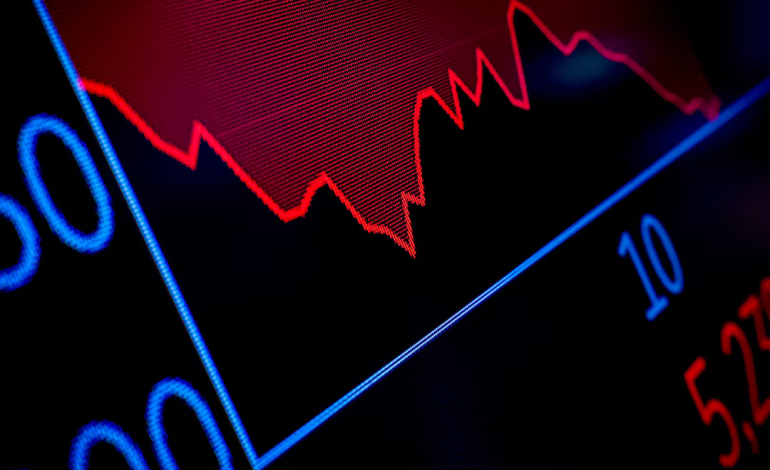
Zoom out, though, and you can see why most pros call this a “healthy” wobble. The Nasdaq’s two-percent down day came after a more than 50% surge off April lows. Chips have added trillions in market value since spring on the premise that AI compute demand is in a supercycle. Some profit-taking was inevitable. Deutsche Bank’s desk notes that the narrative has shifted toward the odds of an equity correction, especially with the equal-weighted S&P slipping even as the mega-caps marched higher. That concentration means any stumble in a handful of names can feel like a market-wide event.
Investors who’ve lived through a few of these cycles will tell you three things can be true at once. First, AI is a durable secular theme that’s already changing balance sheets across the economy. Second, the cash burn to build it — on chips, data centers, and power — has outrun near-term monetization at some firms, which makes them sensitive to rate jitters and earnings hair. Third, parabolic charts invite mechanical selling, margin calls, and programmatic de-risking that overshoots on the way down just as it overshot on the way up.
So what now? Folks focused on 2025 performance are unlikely to abandon the trade unless the macro deteriorates or earnings crack in unison. If the backdrop steadies — no fresh inflation scare, no guidance cuts — dip buyers usually appear in leaders, because that’s where liquidity and growth live. If the air pocket deepens, expect rotation into quality balance sheets within AI and away from the most speculative corners. Either way, this looks more like the market insisting on better price discipline than the end of the AI story.
Put simply: this is a wobble, not a wake. The speed of the run is what’s in question, not the existence of the runway. Pros call that a correction risk worth respecting — and a narrative reset that, if the fundamentals hold, can set up the next leg higher. No need to panic; just tighten the seatbelt.


The latest news in your social feeds
Subscribe to our social media platforms to stay tuned