


EXCLUSIVE: Ukraine’s Wartime Corruption Crisis Collides With Diplomatic Pressure, Exposes System Struggling to Govern Itself


Ukraine’s war footing is now colliding head-on with a widening corruption scandal that exposes uncomfortable realities behind the heroic wartime narrative forced by Kyiv. Allegations of kickbacks involving senior officials and the state nuclear energy sector have placed Ukraine’s leader, Volodymyr Zelensky, under intense scrutiny at a moment when the country is facing military strain, political fractures, and fragile diplomatic positioning.
This scandal cuts into the core of Ukraine’s domestic legitimacy and its credibility abroad: a vulnerability that has become increasingly difficult to hide as major political shifts unfold in Washington and Europe.
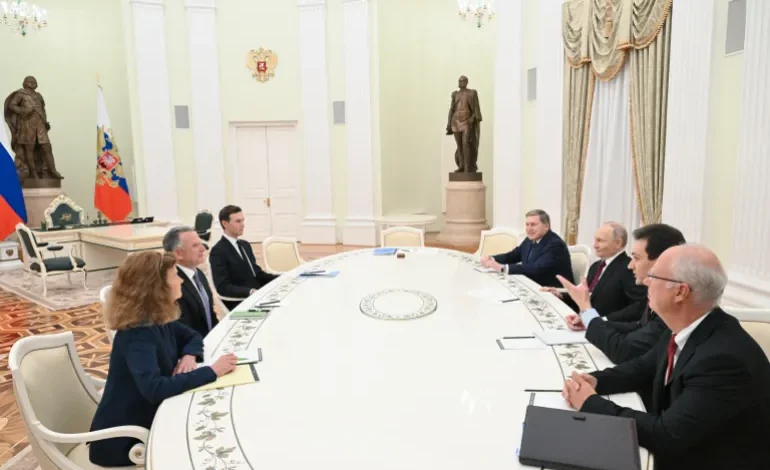
Amid a flurry of new US–Russia diplomatic engagement (including the high-profile Moscow meeting between US special envoy Steve Witkoff, Jared Kushner, and Russian President Vladimir Putin), Kyiv now finds itself weakened by internal upheaval at the exact moment when negotiations around the future of the war are accelerating.
To assess the impact of the scandal on Ukraine’s negotiating posture, The Wyoming Star spoke with Dr. Nikolai Sokov, Senior Fellow at the Vienna Center for Disarmament and Non-Proliferation and former Russian diplomat with decades of arms control experience.
“It is sufficiently clear that corruption scandal weakens Ukraine’s position at any negotiations, especially with Western partners,” Sokov sad. “This is obvious because they (including the US under the previous administration) have allocated considerable funds to help the war effort and support needed for the functioning of the economy and want to be certain that monies have ended where they were supposed to.”
Europe and the US: a growing split in how they see Kyiv
Sokov argues that the fallout is uneven across the West.
“That impact, however, is both limited and differential: Europe tends to overlook the corruption scandal referencing the fact that Ukraine’s ability to discover corruption and plug the holes demonstrates political health of the system. Overall, Europe needs Ukraine to continue the war and deny Russia even a pretense of some degree of victory. Europe appears prepared to continue funding Ukraine in spite of the scandal (it’s a different matter that its resources are very limited).”
But the United States, Sokov notes, is reacting very differently.
“The impact on the US position seems to be greater and has apparently made the current administration more forceful in pushing its position with respect to the early end of the war and on which conditions.”
The divergence is producing cracks in Western unity.
“This divergence probably further reduced the readiness of Washington to coordinate with Europe (which was not very high to begin with) and we now hear complaints from Brussels that they do not know what’s going on between US and Ukraine,” Sokov said.
Indeed, European diplomats have privately expressed irritation that Washington is driving a peace track with Moscow that Brussels is not fully briefed on. The revised US–Ukraine peace framework, heavily amended after Kyiv rejected the original 28-point draft, continues to evolve with minimal European visibility.
Loss of negotiators, loss of coherence
Sokov reminds that the corruption scandal has already forced the resignation of several Ukrainian officials, including Andriy Yermak, Zelensky’s chief of staff and one of the most influential figures in Ukraine’s wartime leadership.
“Whether this will weaken its position is unclear: Yermak controlled the agenda, negotiators, and the course of negotiations. Whether his control was beneficial to Ukraine in the mid-term, is uncertain,” he explained.
Internal legitimacy: Kyiv’s most dangerous vulnerability
But Sokov warns that the greatest danger is not diplomatic.
“The greatest impact is domestic. Ukraine’s position at negotiations is weakened to the extent that the legitimacy of its right to continue war and count on public support may be undermined.”
The scandal landed badly in a society already fatigued by mobilization demands, military setbacks, energy shortages, and dashed expectations of Western military breakthroughs.
“Corruption is not a new phenomenon in Ukraine, but the fact that it continues in spite of Maidan and especially during the war certainly affects public opinion.”
Paradoxically, the scandal may harden Kyiv’s diplomatic stance, according to Sokov.
“Contrary to most opinions, I think that Ukraine’s position at negotiations may be tougher precisely because the government needs to demonstrate its strength and defense of the country’s interests.”
State struggling to govern while war and diplomacy accelerate
Ukraine’s internal disruption comes at a moment of unprecedented diplomatic activity. Trump’s envoys have met with Putin in Moscow; Russia has dismissed European counterproposals as “absolutely unacceptable”; and Kyiv is preparing for a new round of talks with the United States, unsure whether Washington intends to continue coordinating with its European partners or pursue a more unilateral approach.
For now, Zelensky insists Ukraine needs a “dignified peace,” but growing political fatigue in the West, and divisions inside Ukraine, suggest that Kyiv enters the next phase of diplomacy from a compromised position.
The latest news in your social feeds
Subscribe to our social media platforms to stay tuned