




High-Tech ‘Virtual Fences’ Let Wyoming Cows Stay Put While Wildlife Roams Free

for WyoFile.
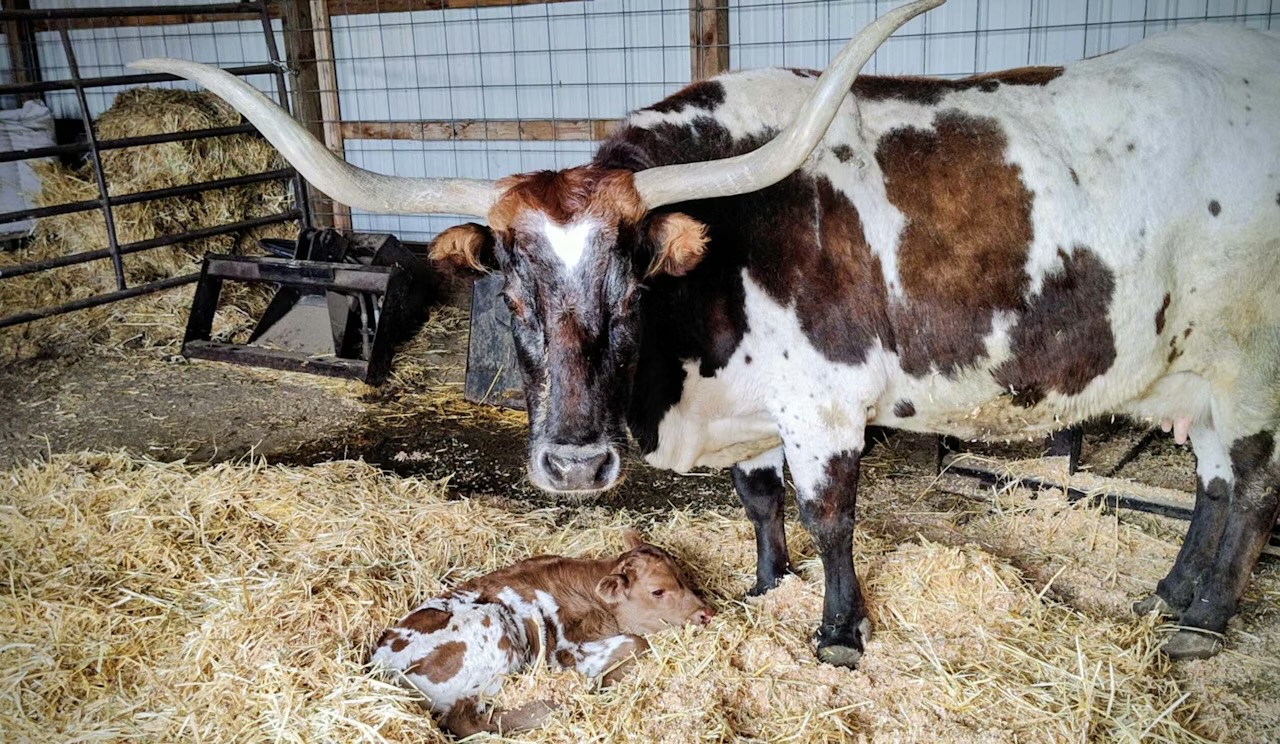
Dustin Taylor did something this fall that would’ve made his great-great-grandfather cringe: he kicked hundreds of cows into a pasture and left the gate wide open.
That gate on his E Spear Ranch outside Meeteetse sits in the middle of an elk migration corridor. Every year, between 100 and 1,000 elk blast through it, ripping down barbed wire and sometimes getting tangled and injured in the process.
This year looked different.
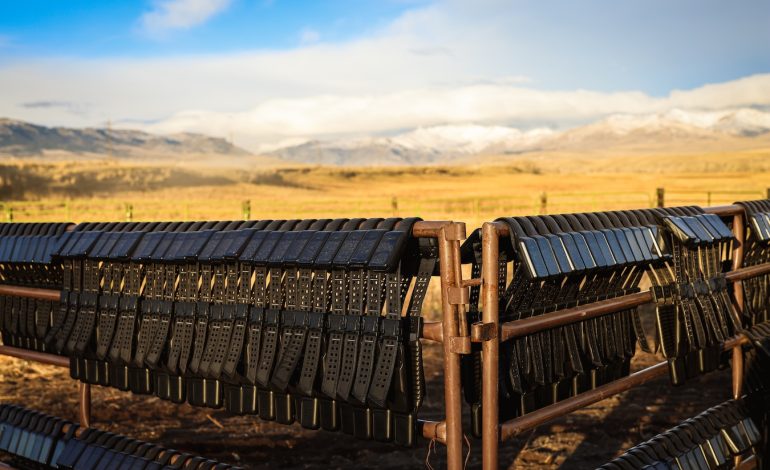
Over the summer, Taylor strapped shiny black collars onto 50 cows and switched on a virtual fence — an invisible boundary that gives cattle a beep and then a mild shock if they try to cross it. When that worked, he collared hundreds more.
The result: elk poured through the open gate, the cows didn’t budge.
“I like the traditional ways,” Taylor said. “We’re pretty much a saddle-horse outfit. So it kind of makes you think when your cows are all wearing collars that glisten in the sunshine and have an LED light at night. But it’s a win-win. We’re not getting elk trapped and cut up in wire, and they’re not tearing our fences down. We can manage better and still work with wildlife.”
He’s one of a growing number of Wyoming and Western ranchers testing virtual fencing, a more advanced cousin of the invisible dog fences in suburban yards. Ranchers and researchers say the tech could be a game changer — cutting down on barbed wire, helping wildlife and giving landowners way more flexibility in how they use their pastures.
The idea of virtual fences has been floating around for decades: keep cows where you want them without building miles of steel and wire, and track their movements in real time. For a long time it sounded like sci-fi.
Now, it’s here — though still early.
Drew Bennett, the MacMillan Professor of Practice in Private Lands Stewardship at the University of Wyoming, compares today’s collars to the “brick phone” era of cellphones.
“If you think about where cell phones were in the 1980s — those suitcase phones and the Zack Morris brick — and where iPhones are today, it’s the same technology in name only,” he said. “We need to be thinking about where virtual fencing will be in 10 years.”
Here’s how it works now:
- Solar-powered towers are set up around a ranch, acting as middlemen between the cow’s collar, satellites and the rancher’s phone or computer.
- A rancher draws or changes a pasture boundary on a screen, and that becomes the new “fence.”
- When a cow approaches that invisible line, the collar beeps. If she keeps going, she gets a small electric shock and usually turns back.
Cows learn fast, Taylor said, and once they understand the beep-shock combo, they rarely push through.
In some situations, though, it’s actually good if they do. Predators like wolves can use physical fences to trap prey. If a cow being chased can just run through the beeps and shocks, it has a better shot at escaping.
As the tech evolves, companies are adding smarter features — like collars that only beep on one side of the cow’s head to gently steer her back toward the pasture, essentially herding by ringtone.
How many towers a ranch needs depends on the brand and the terrain. On open, flat ground, one tower can cover 10–20 square miles. In rough country full of cliffs and draws, you need more.
Like any new tech, there have been glitches: collars falling off, slow software updates, spotty internet. But conservation groups say many of those issues are already being worked through.
The biggest and most obvious upside? Fewer physical fences.
Researchers estimate there are more than 620,000 miles of fence stretched across the West — enough to reach the moon and back. Those lines don’t just divide property; they block wildlife, shred migration routes and sometimes maim animals that get tangled trying to cross.
Virtual fencing won’t erase every strand of barbed wire. Wyoming is a fence-out state, meaning landowners still need perimeter fences to keep neighbors’ cattle off their land, especially if those cows aren’t collared.
But most of the fencing load is actually internal, separating one pasture from another. That’s where virtual fences shine.
Taylor said he skipped building fences this year that he’d already planned, simply because the collars made them unnecessary.
Bennett’s team at UW is documenting other conservation perks, too:
- Letting creek and river banks rest from heavy grazing — without having to build and rebuild fences that get washed out every spring.
- Targeting invasive plants like cheatgrass by holding cattle in specific hot spots.
- Flagging health issues when a collar shows a cow isn’t moving much.
- Using herds to graze down fine fuels in fire-prone areas, potentially lowering wildfire risk.
- Opening rough or remote terrain to grazing where putting up fences would’ve been too costly or difficult.
- Replacing fence lost in wildfires with virtual lines instead of rebuilding everything in wire and posts.
“This is a potential win for natural resources, biodiversity and wildlife, and a win for ranchers,” Bennett said. “When we think about where it’s going, we’re limited only by our own creativity.”
The Property and Environment Research Center (PERC), Wyoming Game and Fish and local conservation districts are now hosting workshops around the state to get more ranchers comfortable with the tech.
For old-school outfits like Taylor’s, it’s a strange visual: cowboys on horseback pushing cattle that are wearing glowing high-tech collars. But he says the combination of tradition and technology gets him closer to what he’s always wanted — healthy cows, open gates for migrating wildlife and fewer trashed fences.
Ranchers and researchers alike see this as early days. The hardware may still feel a little clunky, the software occasionally buggy, but the direction is clear.
Virtual fences are starting to let producers do something that used to sound impossible in the modern West: keep cows in, let wildlife move and pull barbed wire off the landscape — all at the same time.


The latest news in your social feeds
Subscribe to our social media platforms to stay tuned