

Iran Briefly Shuts Its Skies as Trump’s Threats Rattle Region
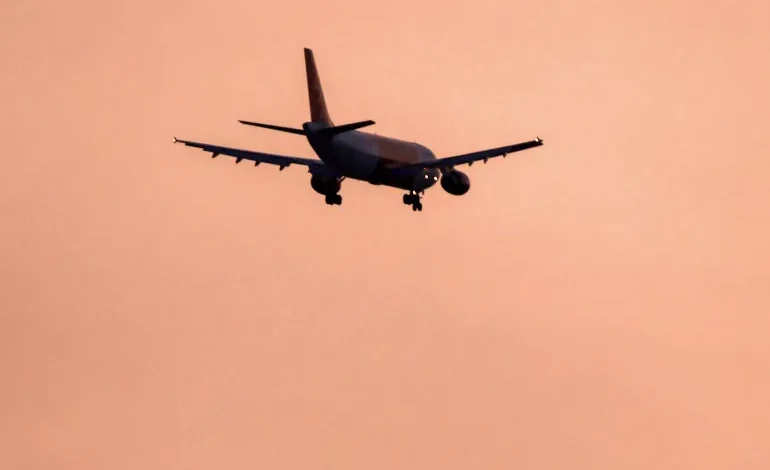

Iran temporarily closed most of its airspace overnight, forcing commercial flights to reroute around the country as tensions spiked following renewed threats from US President Donald Trump.
According to notices issued by the US Federal Aviation Administration, most flights were barred from Iranian airspace during two windows early Thursday morning, from 1:45am to 4:00am local time and again from 4:44am to 7:00am. The restrictions applied to all commercial aircraft unless they had prior approval from Iran’s Civil Aviation Organisation.
Flight tracking data showed the impact almost immediately. As of around 6:05am local time, just three aircraft were visible over Iran, while dozens of others skirted the country’s borders. Iranian airspace reopened at approximately 7am.
Neither the FAA nor Iran’s aviation authority immediately commented on the closures.
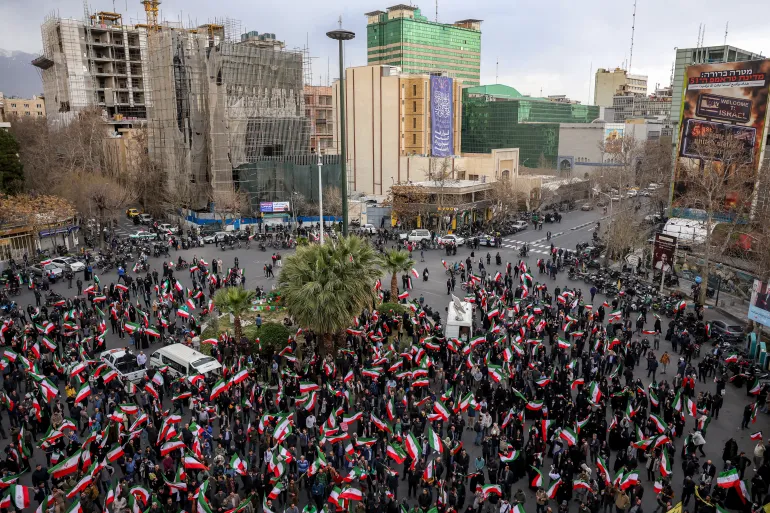
The move comes amid heightened regional anxiety after Trump warned of possible military action against Iran in response to its deadly crackdown on anti-government protests. While the White House has not announced any concrete steps, the rhetoric alone has been enough to trigger defensive measures across multiple sectors, including civil aviation.
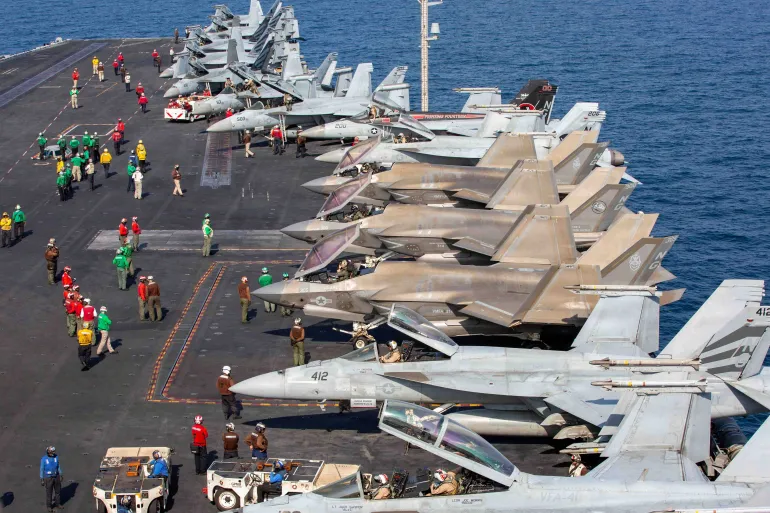
On Wednesday, the United States and the United Kingdom withdrew a number of military personnel from Al Udeid Air Base in Qatar after a senior Iranian official said Tehran had warned it would target US forces in the Middle East if an attack was launched. Several countries have since issued advisories urging their citizens in the region to remain cautious.
Later in the day, Trump appeared to soften his tone, telling reporters he had received assurances from what he described as “important sources” that the killing of protesters in Iran had stopped. It remains unclear whether those assurances played any role in Iran’s decision to reopen its airspace hours later.
Aviation safety experts say even brief closures are a serious signal. Safe Airspace, a platform run by the OpsGroup aviation safety organisation, warned that such restrictions could point to “further security or military activity,” including the risk of missile launches or heightened air defence operations. In those conditions, the danger of civilian aircraft being misidentified increases sharply.
The concern is not theoretical. In 2020, Iranian air defences shot down a Ukrainian passenger jet shortly after takeoff from Tehran, killing all 176 people on board. A subsequent investigation concluded that the aircraft had been mistakenly identified as a hostile target amid heightened tensions with the United States, and that risks to commercial aviation had not been adequately assessed.


The latest news in your social feeds
Subscribe to our social media platforms to stay tuned