
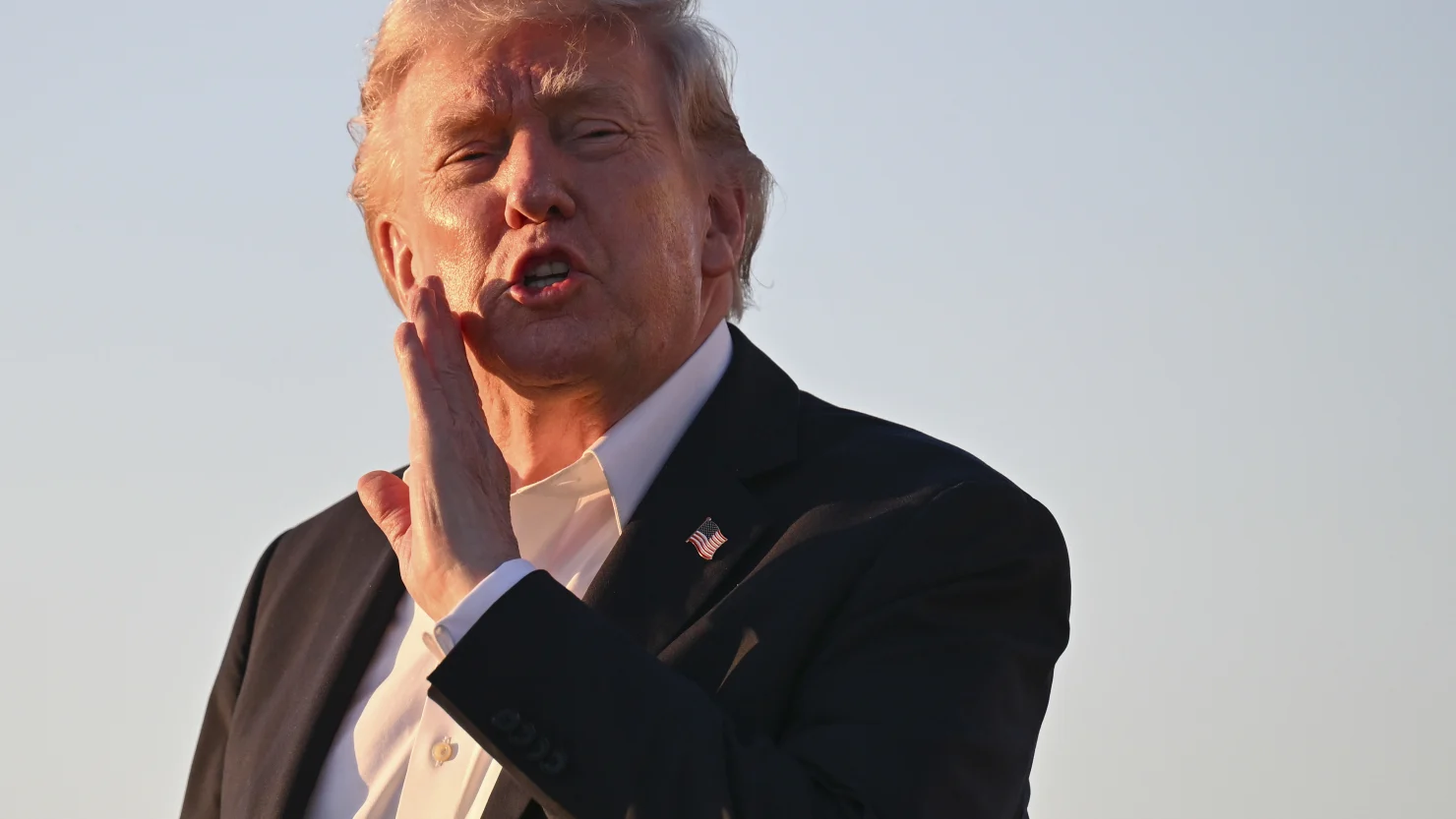




Democrats move to curb Trump’s war powers after Iran strikes

The US air campaign against Iran is quickly becoming as much a constitutional fight in Washington as a military confrontation in the Middle East. Democratic lawmakers are now pushing to force an immediate vote that would block further action unless Congress signs off, arguing the president crossed a legal and political line by acting alone.
Senator Tim Kaine, who introduced the war powers resolution, called the decision to strike Iran a “colossal mistake” and urged the Senate to return to session without delay.
“The Senate should immediately return to session and vote on my War Powers Resolution to block the use of US forces in hostilities against Iran,” he said. “Every single Senator needs to go on the record about this dangerous, unnecessary, and idiotic action.”
The criticism is not just about the military operation itself but about process. For Democrats, the central argument is that the administration bypassed Congress at a moment that could pull the country into a wider war. House Minority Leader Hakeem Jeffries framed it in those terms, saying:
“Donald Trump failed to seek Congressional authorisation prior to striking Iran. Instead, the President’s decision to abandon diplomacy and launch a massive military attack has left American troops vulnerable to Iran’s retaliatory actions.” He added that “The Trump administration must explain itself to the American people and Congress immediately.”
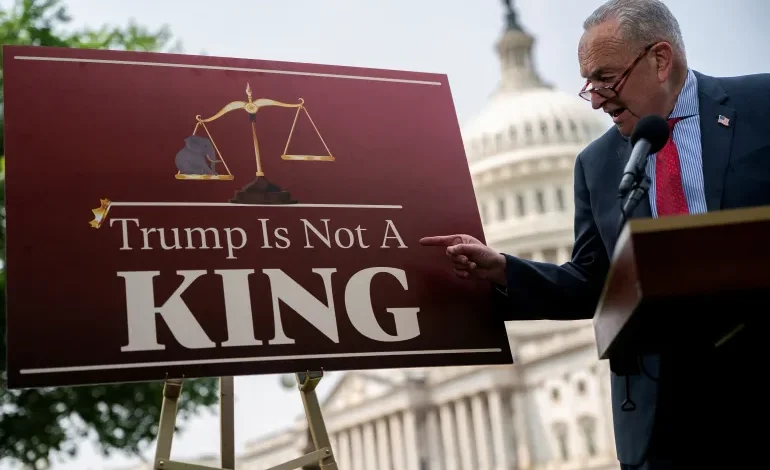
That demand for explanation is now shaping the next phase of the political response. Senate Minority Leader Chuck Schumer called for an urgent classified briefing for all senators alongside public testimony, arguing that lawmakers still lack basic information about the threat that justified the strikes.
“The administration has not provided Congress and the American people with critical details about the scope and immediacy of the threat,” he said.
For some Democrats, the concern is not only the immediate risk of escalation but the historical pattern they see in the lead-up to major US conflicts. Senator Mark Warner described the operation as “a deeply consequential decision that risks pulling the United States into another broad conflict in the Middle East”, warning that the country may be repeating “mistakes of the past”. “The American people have seen this playbook before – claims of urgency, misrepresented intelligence, and military action that pulls the United States into regime change and prolonged, costly nation-building,” he said.
What makes this moment politically more complicated for the White House is that resistance is not confined to one party. A small but visible group of Republicans has broken ranks, framing their objections in constitutional rather than strategic terms. Representative Thomas Massie called the strikes “acts of war unauthorised by Congress” and added: “I am opposed to this War. This is not America First.”
In the Senate, Rand Paul has taken a similar position, tying his opposition directly to the balance of powers between the executive and legislative branches.
“My oath of office is to the Constitution, so with studied care, I must oppose another Presidential war,” he said.


The latest news in your social feeds
Subscribe to our social media platforms to stay tuned