
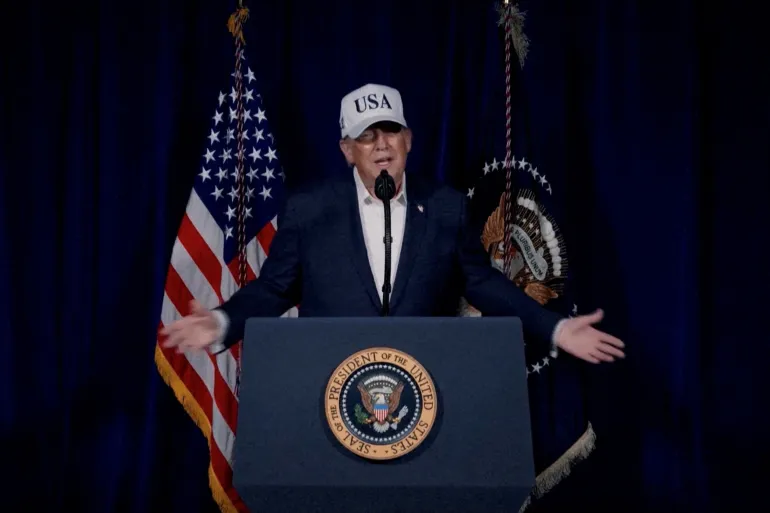




President Donald Trump has announced a long-promised healthcare plan that would replace government insurance subsidies with direct payments into health savings accounts, a shift critics say could leave lower-income Americans worse off.
The proposal, unveiled on Thursday, also urges Congress to lock in Trump’s most-favoured-nation drug pricing policy and expand the number of medicines available over the counter. The White House framed the plan as a sweeping effort to cut costs and give consumers more control.
“This will lower healthcare costs and increase consumer choice by strengthening price transparency, increasing competition, and reducing the need for costly and time-consuming doctor’s visits,” the White House said in a statement outlining the order.
Dubbed “The Great Healthcare Plan”, the framework is laid out in a White House fact sheet rather than draft legislation. It includes an insurance cost-sharing reduction programme that the administration claims could cut premiums for the most common Affordable Care Act plans by more than 10 percent. At its core, however, the plan would replace Obamacare subsidies with direct payments to Americans to purchase insurance, channelled through health savings accounts.
How much money consumers would receive, who would qualify, and whether the payments would apply to all Obamacare enrollees or only those in lower-tier bronze and catastrophic plans remain unanswered. The White House offered no figures or timeline.
The idea echoes proposals floated by Republican senators last year, which Democrats rejected on the grounds that health savings accounts rarely cover real-world healthcare costs. Such accounts are currently used disproportionately by wealthier Americans, who can afford to fund them and benefit most from the associated tax breaks.
Asked whether the president could guarantee that people would still be able to afford care under the new system, White House press secretary Karoline Leavitt offered reassurance without specifics.
“If this plan is put in place, every single American who has healthcare in the United States will see lower costs as a result,” she said. “These are common-sense actions that make up President Trump’s great healthcare plan, and they represent the most comprehensive and bold agenda to lower healthcare costs to have ever been considered by the federal government,” she added.
The White House said the plan would not affect coverage for people with pre-existing conditions.
Beyond subsidies, the proposal takes aim at pharmacy benefit managers and insurers, requiring them to disclose profits, denial rates, and pricing structures. Insurance companies would be required to publish coverage comparisons in plain English, including how much of their revenue goes to claims versus overhead and profit, the percentage of claims denied, and average wait times for routine care.
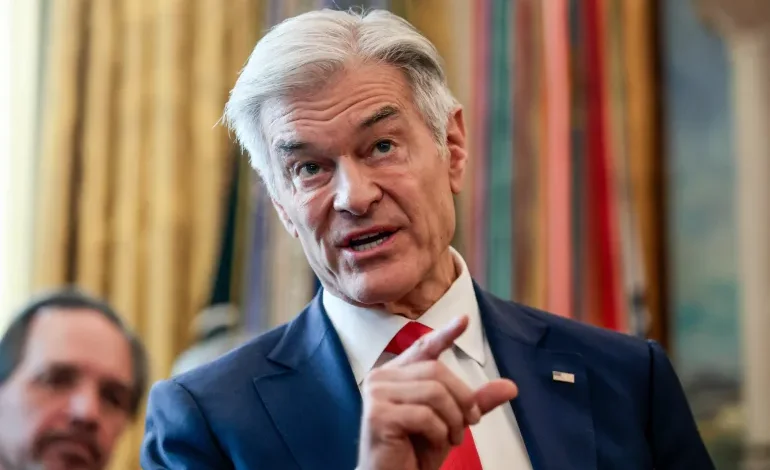
“Instead of just papering over the problems, we have gotten into this great healthcare plan, a framework that we believe will help Congress create legislation that will address the challenges that the American people have been craving,” said Mehmet Oz, administrator of the US Centres for Medicare and Medicaid Services, during a White House briefing call.
Hospitals and providers that accept Medicare or Medicaid would also be required to post pricing and fee information publicly.
Still, the plan arrives at an awkward moment. Millions of Americans are facing sharply higher healthcare costs this year as enhanced Obamacare subsidies expired at the end of last year. Open enrolment for most federally subsidised plans closed on Thursday.
According to health policy firm KFF, average premiums are set to jump to $1,904 in 2026 from $888 in 2025, dwarfing the savings promised under Trump’s framework. Congress remains divided over whether to reinstate the COVID-era tax credits, with bipartisan talks ongoing but Republican support fractured.
The administration has made clear it prefers money to flow directly to consumers rather than insurers. Trump has said he may veto any legislation that extends the Obamacare subsidies, and his new plan does not mention them.
“This does not specifically address those bipartisan congressional negotiations that are going on. It does say that we have a preference that money goes to people, as opposed to insurance companies,” a White House official said.
Trump has long been criticised for lacking a clear healthcare alternative to the Affordable Care Act. During his first term, efforts to repeal and replace the law failed. During the 2024 campaign, he famously said he had only “concepts of a plan”. This latest proposal, heavy on ambition and short on specifics, looks closer to a framework than a finished policy.
Markets reacted quickly. Health insurance stocks rose on the news, while pharmaceutical stocks slid, reflecting expectations of tighter drug pricing rules.


The latest news in your social feeds
Subscribe to our social media platforms to stay tuned