





CNBC, Bloomberg, FOX Business contributed to this report.
A new housing proposal from President Donald Trump – including a potential ban on institutional buyers scooping up single-family homes – is causing a wave of anxiety in the private investment world, especially among family offices and other big buyers that have been active in the US housing market.
Trump’s plan, set to be highlighted at next week’s World Economic Forum in Davos, aims to make homes more affordable by limiting purchases by large investors – particularly private equity firms and family offices that have bought up thousands of single-family properties in recent years. The goal is to help everyday Americans compete for houses without competing against deep pockets that can pay in cash or bulk.
Part of the broader housing initiative reportedly would also let Americans tap into their 401(k) savings for down payments, another bold move meant to boost homeownership – though that idea itself has raised eyebrows among financial planners.
For family offices – private wealth management groups that handle the finances of very wealthy families – the talk of a ban has created real uncertainty.
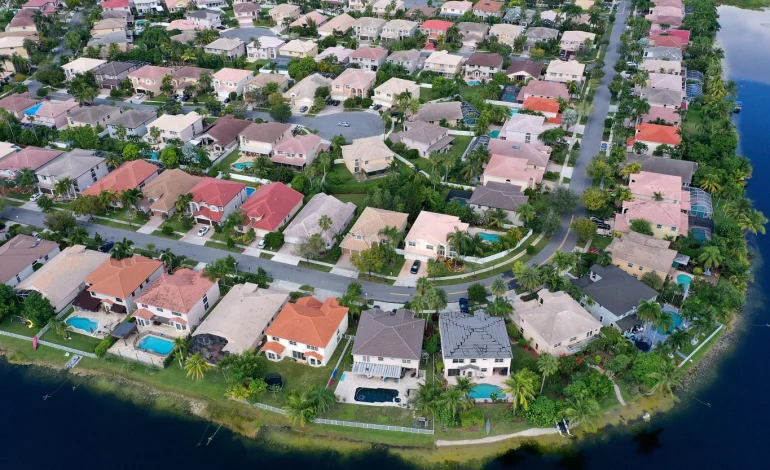
These investment vehicles have become major players in the housing market, buying homes either to rent out or hold as long-term assets. In some markets, single-family rentals backed by deep capital stacks have transformed neighborhoods by driving prices up and squeezing local buyers.
Now, family office managers are watching closely because a flat ban could upend investment strategies that rely on owning residential real estate.
“We’ve put capital to work based on existing rules,” one family office executive told CNBC. “A wholesale change would force us to rethink a lot.”
The buzz around Trump’s proposal has already rippled through markets, with some real estate investors reconsidering deals and slowing new acquisitions in case new regulations hit. Analysts say even the possibility of a ban is enough to make buyers nervous – and that uncertainty can slow investment.
“It’s not just what’s proposed, it’s what may happen,” a housing economist told Bloomberg. “When capital isn’t sure whether it will be allowed to operate under future rules, it tends to pull back.”
Supporters of the ban argue that private equity and wealthy investors have priced out ordinary buyers and made housing less affordable, particularly in the much-discussed single-family segment. Opponents counter that restricting who can invest in homes might reduce the supply of rentals and push rents higher – hitting the very people Trump says he wants to help.
Meanwhile, the 401(k) idea – allowing savers to use retirement funds for housing payments – adds another layer to the debate. Proponents say it could unlock more buyers; critics warn it could jeopardize retirement security.
Trump is expected to roll out the full details of his housing plan at Davos. Until then, family offices and property investors are stuck in limbo, trying to gauge how serious the administration is about this ban and what shape any final rule might take.
In other words: the talk of stopping big investors from buying homes has already started reshaping behavior, even before any law is written. And for many in the private investment world, that uncertainty is a lot harder to handle than a concrete rule they can plan around.



The latest news in your social feeds
Subscribe to our social media platforms to stay tuned