


Bloomberg, the Guardian, BBC, the Financial Times, Reuters, and CNBC contributed to this report.
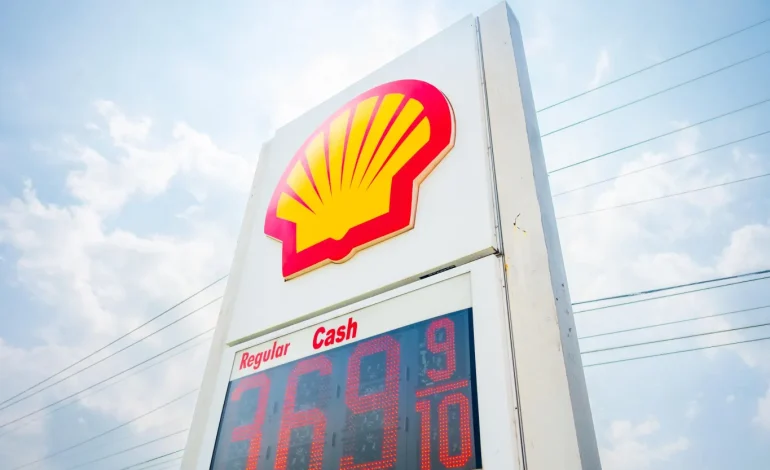
Shell cashed in on the violent swings rocking global energy markets, posting its strongest quarterly profit in two years as the Iran war sent oil prices surging and traders scrambling.
The energy giant reported adjusted earnings of $6.92 billion for the first quarter on Thursday, comfortably ahead of analyst expectations and up sharply from $5.58 billion a year ago. Compared with the final quarter of 2025, profits more than doubled.
A big chunk of that boost came from Shell’s trading desks, which thrived as oil prices whipped around during the conflict in the Middle East. Brent crude climbed from roughly $73 a barrel before the war to peaks above $120 as the Strait of Hormuz – a route carrying about a fifth of the world’s oil and liquefied natural gas – became heavily disrupted.
That kind of volatility tends to be a gift for commodity traders.
Shell’s chemicals and products division, which includes refining and oil trading, generated $1.93 billion in profit during the quarter, far above analyst forecasts and more than four times what it made a year earlier.
Chief executive Wael Sawan said the company delivered strong results during what he called an “unprecedented disruption in global energy markets.”
The company also announced a 5% increase in its dividend, lifting the payout to $0.3906 per share. At the same time, Shell trimmed its share buyback program to $3 billion from $3.5 billion as it tried to conserve cash after supply disruptions pushed debt higher.
Chief financial officer Sinead Gorman said the company still believes its shares are undervalued but wanted to strengthen the balance sheet as energy market turmoil created short-term liquidity pressure.
Shell’s debt climbed to $52.6 billion by the end of March, up from $45.7 billion at the end of last year. The company blamed much of the increase on higher inventory values and working capital swings tied to rising oil prices.
Production, however, moved in the opposite direction.
Shell’s oil and gas output slipped 4% from the previous quarter, largely because of outages in Qatar after damage to part of its massive Pearl gas-to-liquids facility during the conflict. Repairs could take up to a year. The company warned integrated gas production may fall as much as 36% in the current quarter, while LNG volumes could drop by up to 14%.
Even with the operational hit, investors had been expecting a monster quarter from Europe’s oil majors after months of energy price spikes. Rivals including BP and TotalEnergies also reported stronger trading profits tied to the market chaos.
Oil prices cooled slightly this week after President Donald Trump signaled progress toward a possible deal with Iran. Brent crude briefly slipped below $100 before climbing back above $101 on Thursday.
Still, energy prices remain far higher than they were before the war began, and campaign groups say companies like Shell are profiting while households absorb the pain through higher fuel and energy bills.
Friends of the Earth called for tougher windfall taxes on fossil fuel companies, arguing the industry is reaping enormous gains while consumers struggle with rising living costs.
The debate is unlikely to disappear anytime soon. Shell’s profits may have surged, but the company – like the rest of the energy sector – is still operating in a market shaped by geopolitical shocks, supply fears and an oil route that remains far from stable.

The latest news in your social feeds
Subscribe to our social media platforms to stay tuned