




With input from CBS News, USA Today, the Hill, and New York Post.
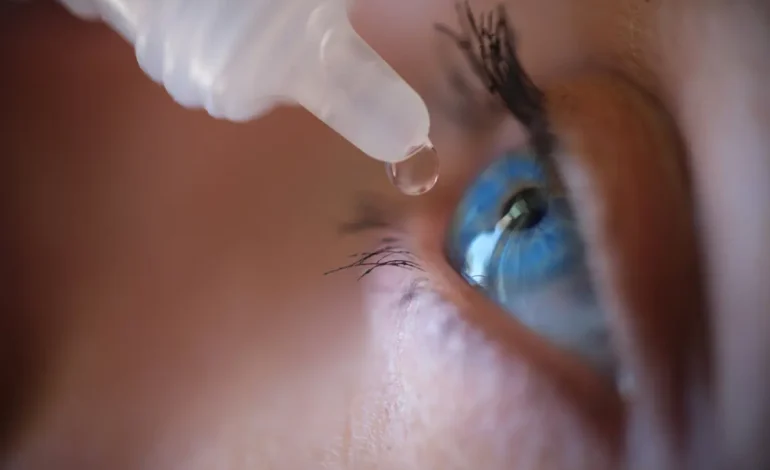
Check your medicine cabinet – millions of eye drop bottles sold across the US are being recalled, and there’s a chance yours is one of them.
More than 3.1 million bottles have been pulled by manufacturer K.C. Pharmaceuticals after the Food and Drug Administration flagged concerns about sterility. In plain terms: the company can’t guarantee the products are free from contamination.
The recall, first issued March 3 and later classified as a “Class II” event, covers products that could cause temporary or reversible health issues. Serious harm is considered unlikely, but the risk isn’t zero either.
These weren’t obscure brands. The drops were sold nationwide through major chains like Walgreens, CVS, Kroger, Rite Aid, and even discount retailers like Dollar General and Circle K. Many appeared as store-brand versions – easy to miss unless you’re paying close attention to labels.
The biggest chunk of the recall involves over 1 million bottles of Dry Eye Relief drops. But the list stretches across eight different types, including artificial tears, redness relief, and lubricating formulas. Altogether, the affected products range from about 74,000 bottles on the low end to more than a million on the high end.
Most come in the standard half-ounce (15 mL) bottles and carry expiration dates between April and October.
What ties them together is the same issue: a “lack of assurance of sterility.” That doesn’t necessarily mean contamination has been found, but it does mean the manufacturing process raised enough questions to warrant a recall.
Health officials say you should stop using the drops if you have them. Toss them out. Don’t try to finish the bottle.
If you’re unsure, check the fine print – lot numbers, UPC codes, or anything starting with codes like AC, AR, LT, SU, RG, RL, SY, or AT. Those are among the batches flagged in the recall.
This isn’t happening in a vacuum. Eye drop recalls have been popping up more often in recent years, sometimes tied to bacteria, foreign particles, or poor factory conditions. One high-profile case in 2023 involved contaminated products linked to infections.
For now, no confirmed illnesses have been tied to this latest recall. Still, regulators aren’t taking chances – especially with products that go straight into the eye.
If something feels off after using any drops – redness, irritation, vision issues – it’s worth getting checked out.



The latest news in your social feeds
Subscribe to our social media platforms to stay tuned