





AP, the New York Times, Bloomberg contributed to this report.
The war tied to Iran is shaking global energy markets – and quietly handing China an opening.
As oil and gas flows stumble, especially through the heavily disrupted Strait of Hormuz, countries that rely on imported fuel are scrambling. Much of that supply was headed to Asia. Now it’s tighter, pricier, and far less predictable.
Fuel prices are climbing in the US and Europe. Across Asia, governments are dipping into reserves and urging conservation.
China, oddly enough, may come out ahead.
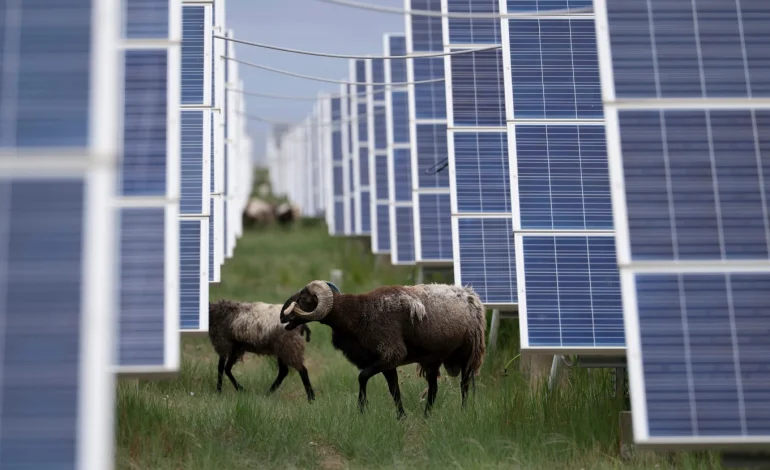
Despite being one of the biggest buyers of Iranian oil, China has spent years building something else: dominance in clean energy. Solar panels, batteries, electric vehicles – it leads in all three. And when fossil fuels wobble, demand for those alternatives tends to spike.
That shift is already underway.
Companies like BYD and CATL are in a strong position as countries look for ways to cut dependence on volatile fuel supplies. Exports of Chinese clean tech have been climbing fast, with solar panels, EVs, and batteries shipping out in record volumes.
This didn’t happen overnight. More than a decade ago, Xi Jinping tied energy security to national strategy. Since then, China has poured resources into renewables, even while still relying heavily on coal and oil at home.
The result: scale. Massive scale.
China now produces the bulk of the world’s EVs and the vast majority of battery cells. Its latest economic plans double down on that lead.
Meanwhile, the United States has taken a different route. Under Donald Trump, the focus has leaned heavily toward oil and gas, with an emphasis on exports and energy independence. Two superpowers, two very different bets.
That split was already shaping global markets. The war is speeding things up.
Investors are paying attention. Shares in major Chinese clean tech firms jumped in the weeks after the conflict began. Analysts expect more countries – especially those dependent on energy imports – to pour money into renewables and battery storage.
On the ground, the ripple effects are showing up quickly.
In the United Kingdom, interest in EV leasing has surged. Solar installations are picking up pace. In Pakistan, earlier investments in solar are now cushioning the blow of rising fuel costs. Without them, the situation would look far worse.
Even countries built on fossil fuels are rethinking things. Indonesia – the world’s largest coal exporter – is pushing into electric vehicles and charging infrastructure. Chinese firms are already deeply embedded in those supply chains, backed by tens of billions in deals.
The longer fuel prices stay high, the more attractive alternatives become. Households feel it first. Then industries. Eventually, policy follows.
There’s still uncertainty. Buyers may hesitate, waiting to see how the conflict plays out. Big shifts in energy systems don’t happen overnight.
But direction matters. And right now, the momentum is clear.
The shock from the Iran war isn’t just disrupting oil markets – it’s accelerating a global pivot. And China, having spent years preparing for exactly this kind of moment, is moving faster than anyone else to meet it.



The latest news in your social feeds
Subscribe to our social media platforms to stay tuned