



AP, Reuters, CNBC, Bloomberg, and the Financial Times contributed to this report.
China’s export engine is losing some steam.
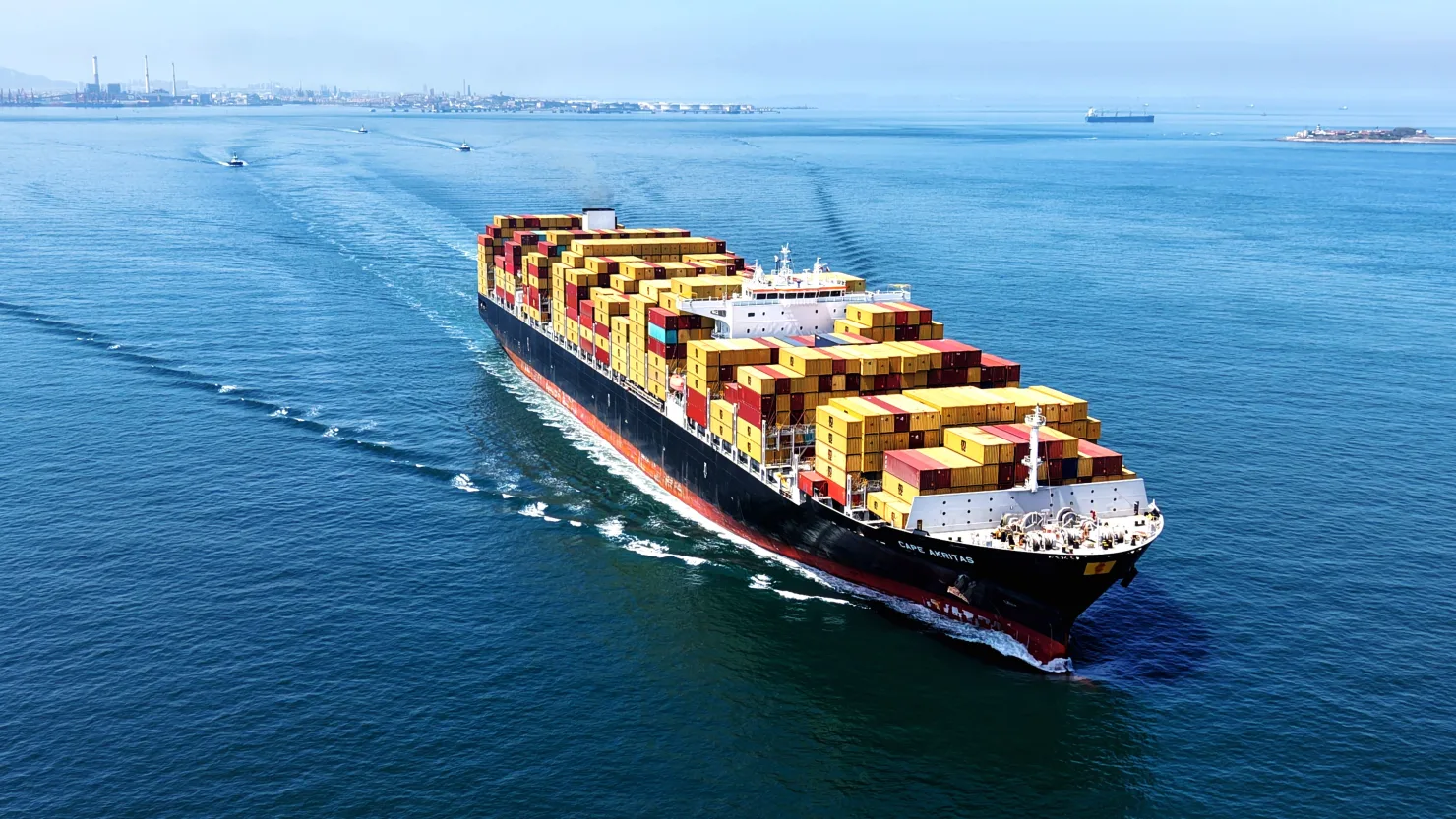
Shipments abroad grew just 2.5% in March compared with a year earlier – a sharp slowdown from the blistering 21.8% surge seen in January and February. The drop caught analysts off guard and hints that global demand is starting to wobble as the Iran war rattles energy markets and supply chains.
Imports, meanwhile, went the other way. They jumped 27.8% – the fastest pace in years – as higher commodity prices and tighter global supply pushed up costs.
For months, China’s exporters had been riding a wave. Tech goods, especially semiconductors tied to the artificial intelligence boom, helped drive strong early-year numbers. But cracks are showing. Economists say the longer the conflict drags on, the more it risks cooling demand worldwide.
“Exports are slowing as the war starts to hit both demand and supply chains,” said Gary Ng, an economist at Natixis.
There’s still some cushion. Demand for chips and green tech – think solar panels, EVs, wind equipment – remains solid. Some analysts even argue the energy shock could boost those sectors further as countries look for alternatives to fossil fuels.
Even so, the broader picture is getting murkier. Higher oil prices are feeding inflation fears, and that tends to squeeze spending globally. If that continues, China’s export-heavy growth model could feel the pressure.
Timing didn’t help either. The Lunar New Year fell later this year, spilling some holiday disruptions into March data and muddying the comparison.
Trade tensions are also back in focus. Exports to the US plunged 26.5% from a year ago, a much steeper drop than earlier in the year, as tariffs and political friction bite harder. China has been redirecting shipments to Europe, Southeast Asia and Latin America, where demand is holding up better.
Underneath it all, China is still leaning heavily on exports to keep its economy moving, especially with its property sector stuck in a prolonged slump. Officials are targeting growth of around 4.5% to 5% this year – already modest by past standards.
There are a few buffers. The country’s large oil reserves and diverse energy mix have softened the immediate blow from surging prices. But that doesn’t fully shield it from a global slowdown if energy disruptions persist.
In short, the export machine isn’t broken – but it’s no longer firing on all cylinders.



The latest news in your social feeds
Subscribe to our social media platforms to stay tuned