


Jamie Dimon Flags Brewing Bond Market Trouble as Debt and Global Risks Pile up


CNBC, Bloomberg, New York Post, and Reuters contributed to this report.
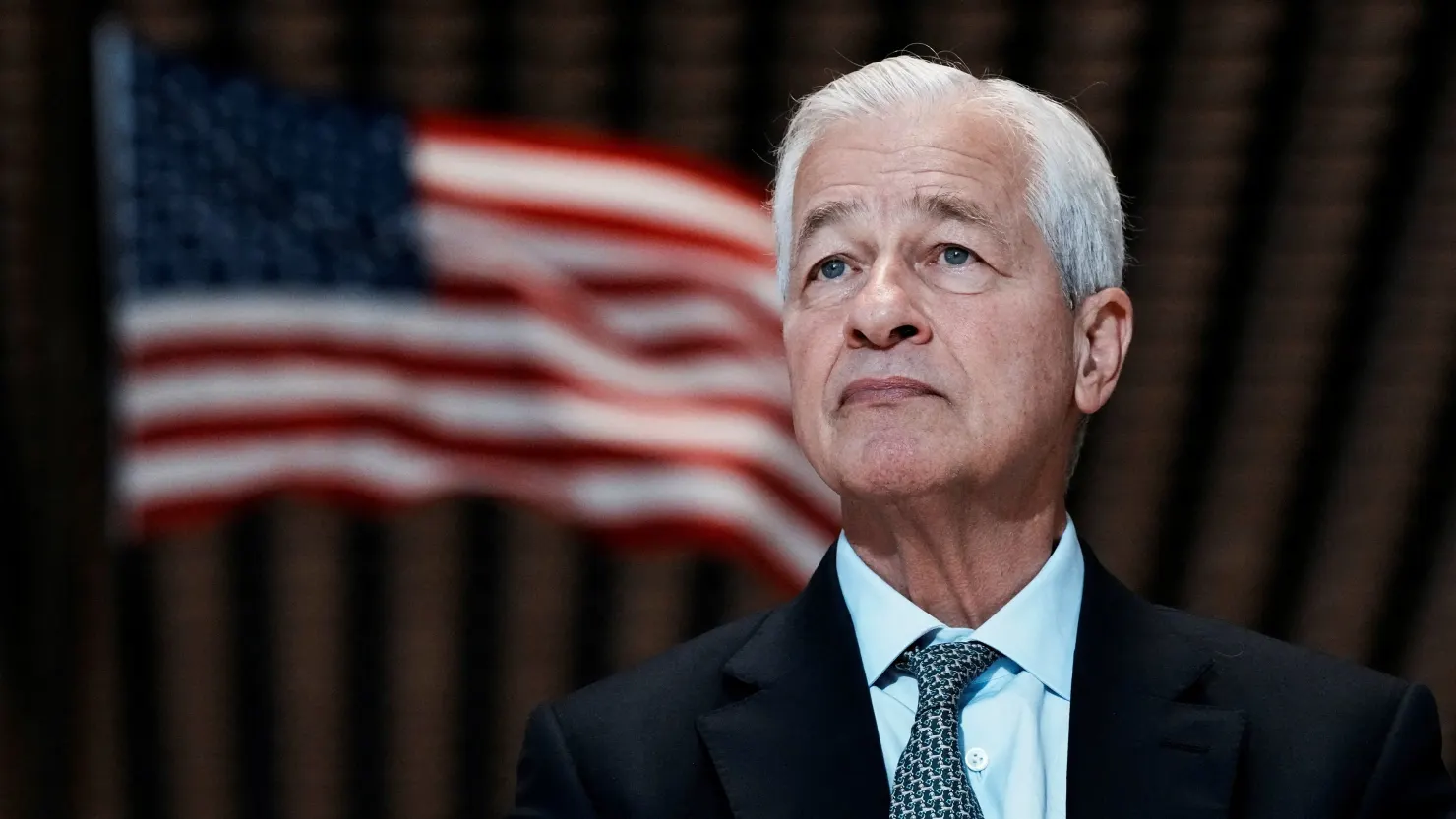
Jamie Dimon isn’t sounding the alarm lightly – but he is sounding it. The longtime head of JPMorgan Chase says the world is drifting toward a bond market shock, and policymakers may be underestimating how quickly things can unravel.
Speaking at a major investment conference, Dimon pointed to the steady climb in government borrowing – especially in the US – as a slow-burning problem that could eventually snap.
“The way it’s going now, there will be some kind of bond crisis,” he said, adding that governments should get ahead of it rather than scramble once markets force their hand.
He’s not predicting collapse tomorrow. But the tone was clear: the risks are stacking up, and the timing is anyone’s guess.
What worries Dimon isn’t just debt in isolation. It’s the mix. Rising deficits, geopolitical tensions, and volatile oil prices are all feeding into the same pressure point. Each one is manageable on its own. Together, they start to look less predictable.
“The level of things that are adding to the risk column are high,” he said, ticking through the list – geopolitics, energy, fiscal gaps.
Any one of those could cool off. Or they could collide at the wrong moment.
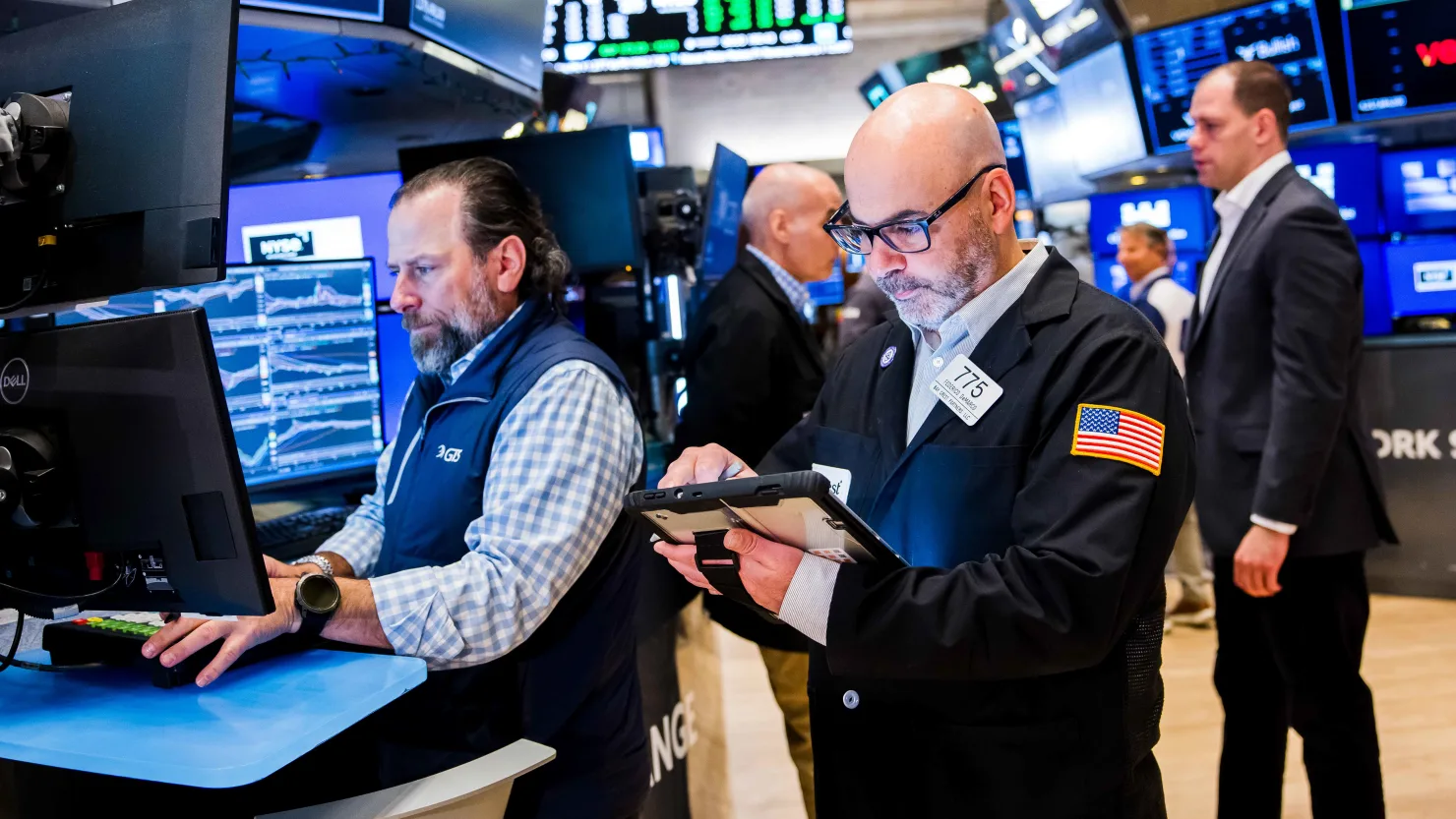
A bond crisis, in practical terms, isn’t abstract. It usually means yields spike fast, buyers step back, and liquidity dries up. Governments suddenly face higher borrowing costs just as they need funding the most. That’s when central banks often have to step in and stabilize the market.
There’s a recent playbook for that. In 2022, the UK saw its bond market buckle after a policy shock sent yields surging, forcing the Bank of England to intervene to prevent wider fallout. Dimon’s warning suggests something similar – on a bigger scale – isn’t out of the question.
The backdrop today arguably looks more fragile. The US alone is sitting on nearly $39 trillion in national debt, and issuing more bonds at a rapid pace just to keep things running. At the same time, higher oil prices – fueled in part by ongoing tensions in the Middle East – are keeping inflation sticky, limiting how much flexibility the Federal Reserve has on interest rates.
That feeds into another pressure point: the broader credit cycle. Dimon doesn’t see private credit, now a roughly $1.7 trillion market, as the core threat by itself. The bigger concern is what happens when everything tightens at once.
“We haven’t had a credit recession in so long,” he said.
When it does arrive, the adjustment could be rougher than markets expect. Years of relatively easy money and steady growth have masked how fragile some lending structures might be under stress.
And that stress wouldn’t stay contained. Higher borrowing costs hit consumers, businesses, and governments all at once – mortgages, corporate loans, public spending. It’s a chain reaction that tends to move faster than policymakers can respond.
Despite the warning, Dimon isn’t fatalistic. He’s confident the system could handle a crisis if it happens. The issue, in his view, is that waiting for markets to force action is the more painful route.
There’s also a sense that markets may be too calm. Investors are still largely pricing in a “soft landing,” where inflation cools without a serious downturn. Dimon seems skeptical that things will play out that smoothly, especially with so many variables in motion.
He also touched on broader shifts, from the rapid pace of artificial intelligence adoption to the importance of corporate culture, but the underlying theme stayed consistent: complexity is rising, and the margin for error is shrinking.
For now, nothing has broken. Bond markets are functioning, demand is still there, and economies are holding up better than many expected. But the warning from one of the most influential voices in global finance is hard to ignore.
The risks aren’t hidden. They’re just building quietly in the background.



The latest news in your social feeds
Subscribe to our social media platforms to stay tuned