

US moves to escort ships in Hormuz, risking fragile truce
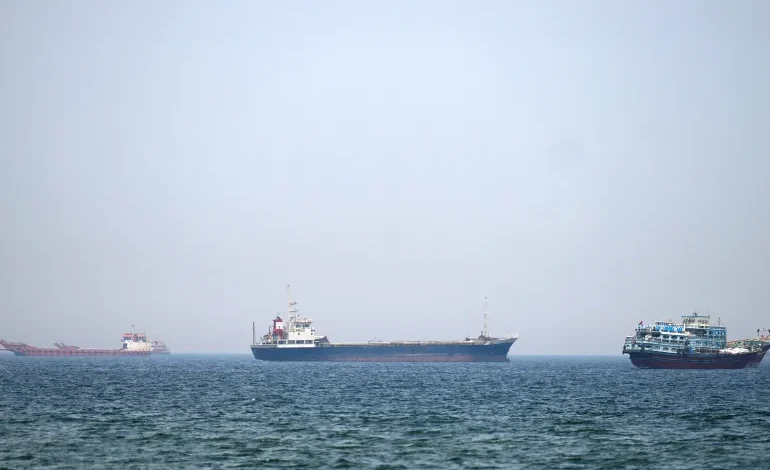

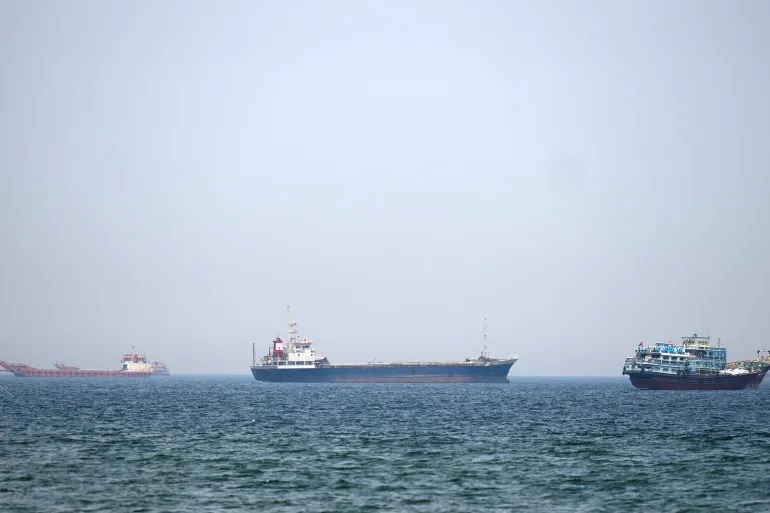
The United States is preparing to intervene more directly in one of the most sensitive flashpoints of the current Iran conflict, with President Donald Trump announcing a plan to help ships exit the Strait of Hormuz despite Tehran’s ongoing blockade.
Trump said on Sunday that the operation, which he called Project Freedom, would begin on Monday and was intended to assist vessels stranded in the strategic waterway. He framed the move as a response to requests from countries with ships caught in the standoff.
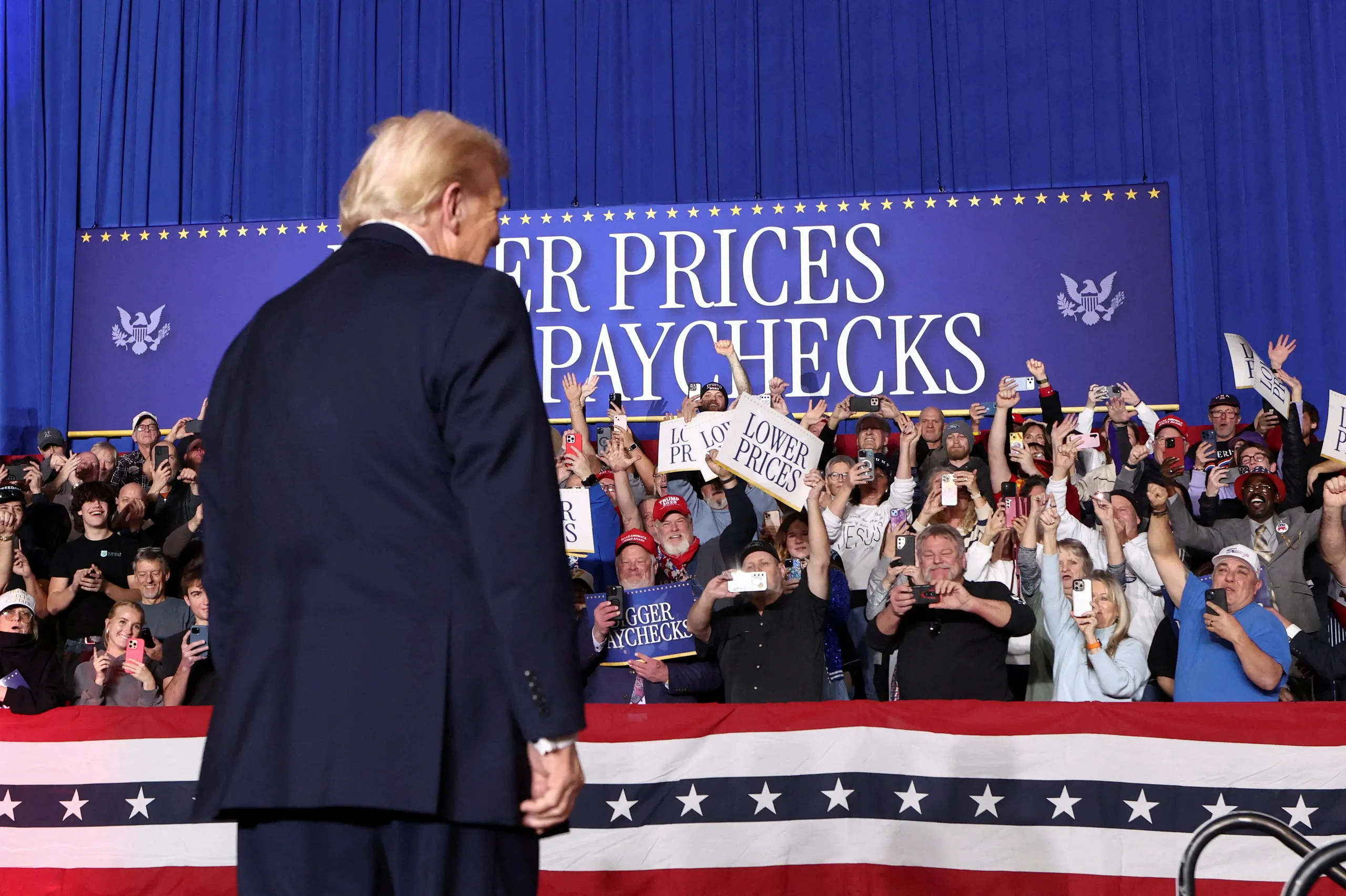
“For the good of Iran, the Middle East, and the United States, we have told these Countries that we will guide their Ships safely out of these restricted Waterways, so that they can freely and ably get on with their business,” Trump said in a post on Truth Social, without specifying which countries called for Washington’s help.
The president described the situation aboard some vessels as deteriorating, pointing to supply shortages among crews.
“Many of these Ships are running low on food, and everything else necessary for largescale crews to stay on board in a healthy and sanitary manner,” Trump said, adding that any interference in the operation would “unfortunately, have to be dealt with forcefully”.
What remains unclear is how this effort will be carried out in practice, or whether it involves any coordination with Iran. That ambiguity matters, because even a limited escort mission would bring US forces closer to direct confrontation in a waterway already under heavy strain.
Iran has made clear it views such a move as a potential escalation. Ebrahim Azizi, head of the Iranian parliament’s National Security Commission, warned that any “American interference” would violate the ceasefire.
“The Strait of Hormuz and the Persian Gulf would not be managed by Trump’s delusional posts! No one would believe Blame Game scenarios!” Azizi said in a post on X.
The US military signalled it is preparing to move forward, though details remain sparse. US Central Command said it would begin supporting merchant vessels seeking to transit the strait, framing the effort as defensive and tied to broader economic stability.
“Our support for this defensive mission is essential to regional security and the global economy as we also maintain the naval blockade,” CENTCOM Commander Admiral Brad Cooper said.
Notably, the Pentagon had previously indicated it was “not ready” to escort ships through the narrow corridor, where vessels could be exposed to fire from Iranian territory. That earlier caution highlights how quickly the operational posture may now be shifting.
The timing is also significant. The announcement comes just weeks into a fragile ceasefire that took effect on April 7 after more than a month of conflict. Since then, tensions have not eased so much as hardened into parallel pressure tactics: Iran blocking the strait, and the US enforcing a naval siege on Iranian ports.
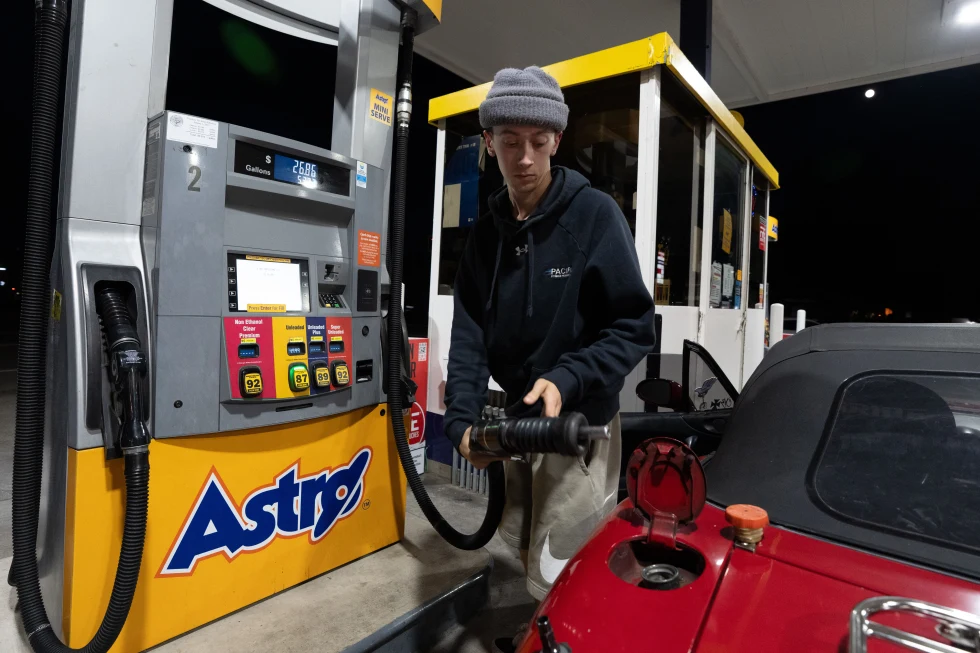
The economic consequences have been immediate. Disruptions to shipping have pushed oil and fuel prices higher, with US petrol rising to an average of $4.44 per gallon, up sharply from pre-war levels. That has fed into broader inflation concerns and growing domestic unease with the conflict.
Against that backdrop, the decision to move ships through the strait introduces a new variable into an already unstable balance. Whether it is a limited logistical operation or something more confrontational is still unclear, but the proximity of US naval assets to Iranian-controlled waters raises the stakes.
Analysts say even a narrowly defined escort mission would likely be interpreted in Tehran as more than a humanitarian gesture.
“This is also going to bring US forces and assets closer to the shooting range of Iran, potentially, if it’s going to be an escort,” said Negar Mortazavi, a senior fellow at the Center for International Policy.
“So I don’t know if this is a threat. Is this a negotiating tactic?… Or is this really the plan of the president? I mean, we know, and Tehran has suspected, also, that there would be a potential escalation in one form. I don’t know if this could be it.”
Trump, for his part, has continued to signal that diplomatic channels remain open, even as the military posture evolves.
“I am fully aware that my Representatives are having very positive discussions with the Country of Iran, and that these discussions could lead to something very positive for all,” he said on Truth Social.

The latest news in your social feeds
Subscribe to our social media platforms to stay tuned