



Iran’s Araghchi meets China’s Wang Yi as Hormuz tensions ripple into diplomacy
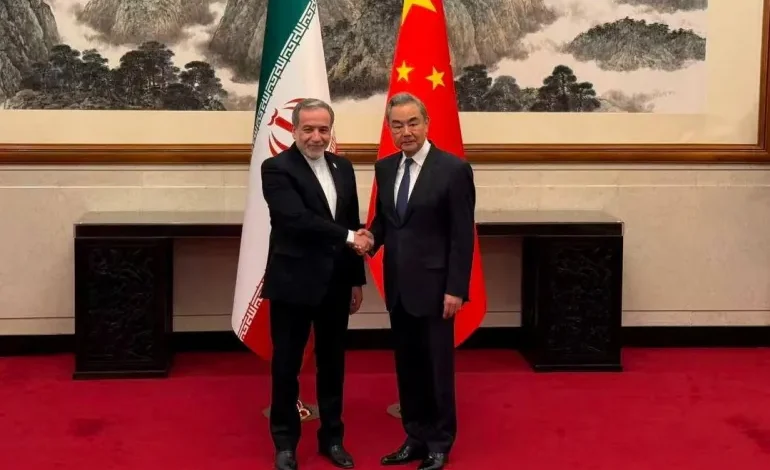

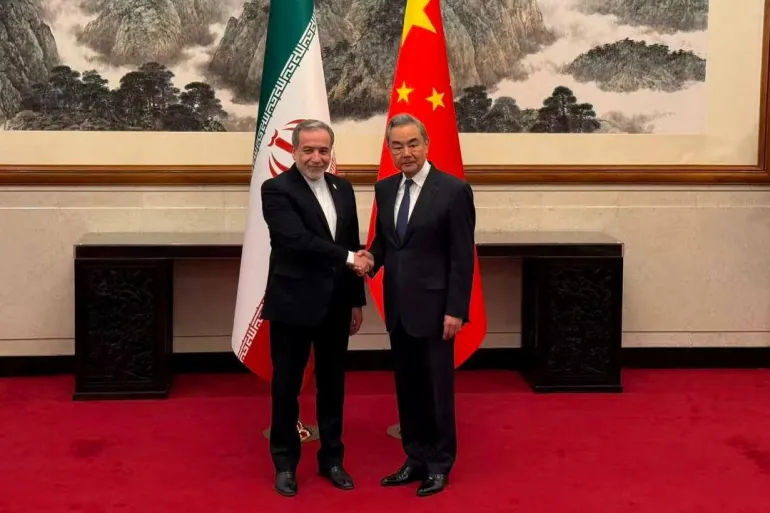
Abbas Araghchi held talks with Wang Yi in Beijing on Wednesday, as tensions in the Strait of Hormuz continue to shape high-level diplomacy ahead of a planned US-China summit.
The one-day visit comes just a week before Donald Trump is due in Beijing for meetings with Xi Jinping on May 14 and 15, placing Iran’s position squarely in the background of broader US-China discussions.
China’s state news agency Xinhua confirmed that the talks had begun but provided no details. The meeting marks Araghchi’s first trip to China since the US-Israeli war on Iran started on February 28, although the two ministers have spoken multiple times by phone since then.
The timing reflects a shifting diplomatic balance. In Washington, US Secretary of State Marco Rubio said he hoped Beijing would press Tehran to ease its control over the Strait of Hormuz, a critical route for global oil and gas shipments.
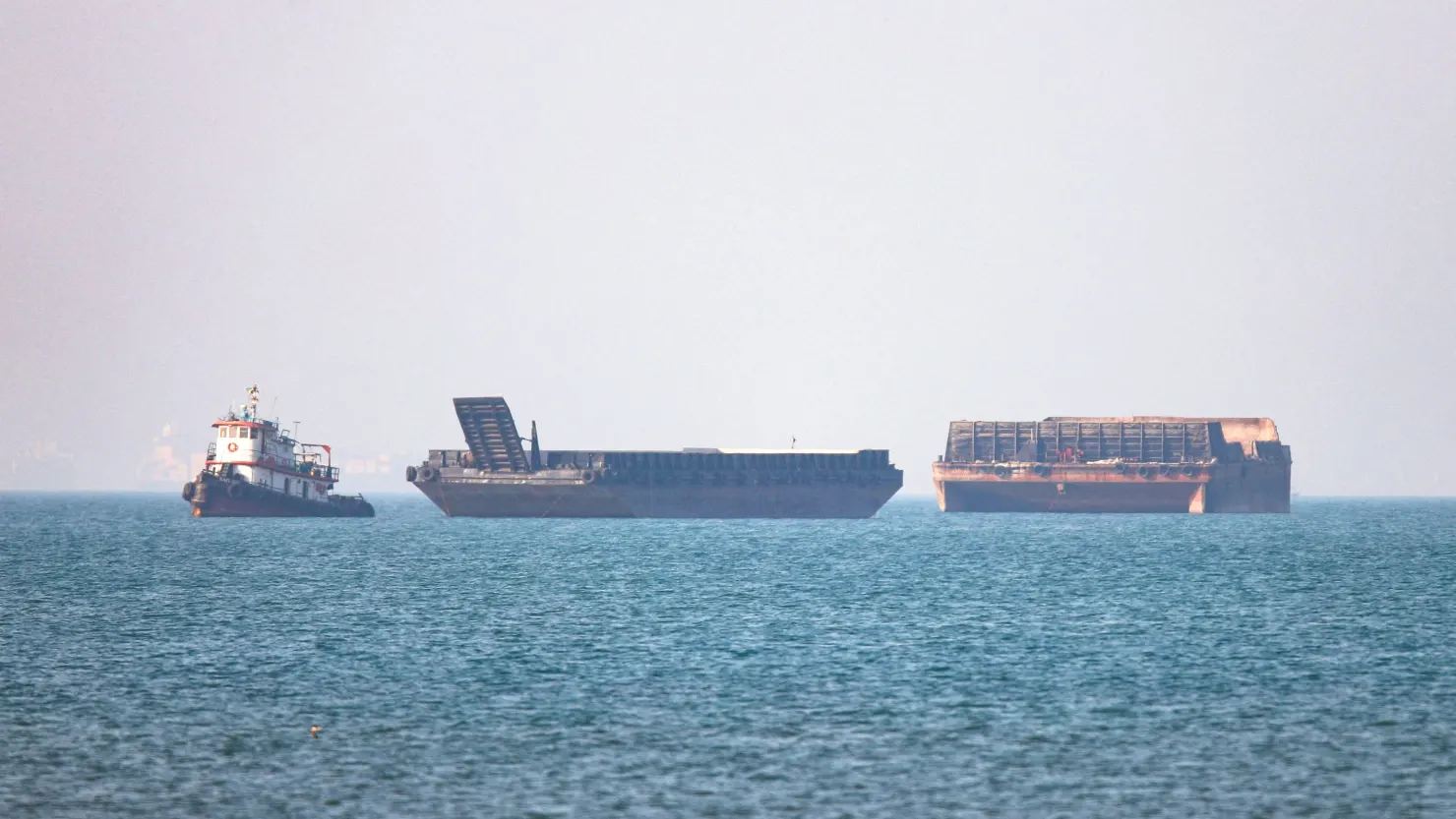
Iran’s move to effectively close the strait after the outbreak of war sent fuel and fertiliser prices sharply higher and added pressure to an already fragile global economy. Even after an April ceasefire, the situation remains tense. The US has imposed its own blockade on Iranian ports, seeking leverage in ongoing peace talks.
Reporting from Beijing, Al Jazeera’s Katrina Yu said the discussions between Araghchi and Wang are expected to centre on two immediate issues: preserving the ceasefire and reopening the Strait of Hormuz. China has criticised both sides at different points — warning against the US naval blockade while also signalling concern over Iran’s continued restriction of the waterway.
Behind the scenes, the talks appear to be as much about positioning as policy. Iran is looking for clarity on how far China is willing to support it, particularly at the United Nations, where Beijing’s backing could help shield Tehran from additional sanctions tied to the Hormuz standoff. At the same time, China is seeking assurances that Iran will avoid escalation in the run-up to Xi’s meeting with Trump.
The diplomatic push comes alongside a fragile pause on the ground. Trump said he had halted a US operation to escort ships through the strait, describing the move as a response to requests “on the request of Pakistan and other Countries” and saying “Great Progress has been made toward a Complete and Final Agreement with Representatives of Iran”.
The operation itself had already heightened tensions, with US forces reporting clashes with Iranian boats and the United Arab Emirates citing missile and drone attacks that caused damage to an oil refinery. Tehran has denied carrying out those strikes.
Pakistan has taken on a mediating role, hosting direct talks between US and Iranian officials in Islamabad on April 11 and 12. Those negotiations ended without a breakthrough, with core disagreements still unresolved — including US demands that Iran halt all nuclear enrichment and Tehran’s insistence on maintaining control over the Strait of Hormuz.

The latest news in your social feeds
Subscribe to our social media platforms to stay tuned