
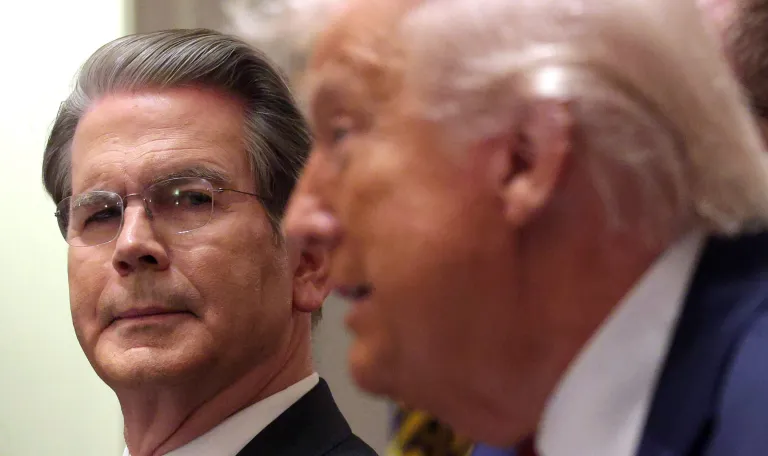
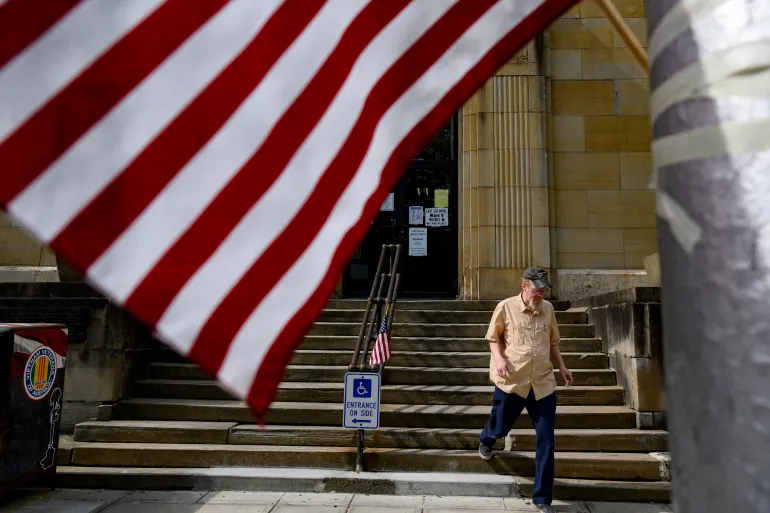
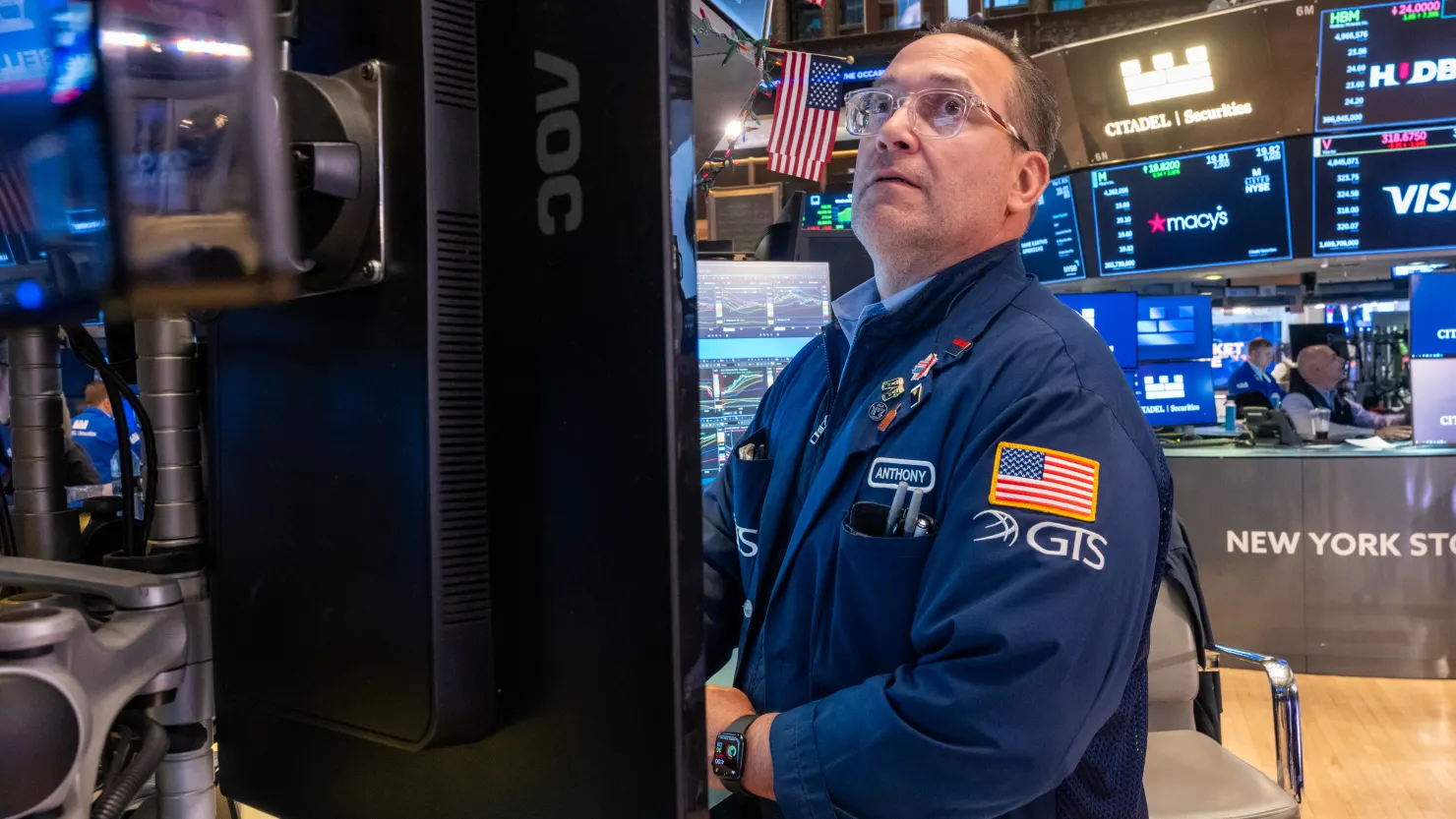



Primary elections in Ohio and Indiana are starting to sketch out the political terrain ahead of November’s US midterms, with Donald Trump still shaping Republican contests — even as broader voter sentiment looks more complicated.
In Ohio, Democrats and Republicans locked in candidates for what’s expected to be one of the most closely watched Senate races this cycle. Sherrod Brown secured the Democratic nomination and will face Republican Jon Husted, who stepped into the seat after JD Vance moved to the White House.
The stakes are clear. Republicans currently hold a 53–47 majority in the Senate, and Democrats face a narrow path to regain control. Brown has long leaned into an economic populist message aimed at cross-party appeal, while Republican groups are preparing to invest heavily to defend the seat.
The state’s governor race is also set. Trump ally Vivek Ramaswamy won the GOP nomination and will run against Democrat Amy Acton, who became a prominent figure during the COVID-19 pandemic.
In Indiana, the primaries told a different but related story — one less about matchups and more about internal party discipline. Trump had openly targeted Republicans who resisted his push to redraw congressional districts ahead of the midterms. The result was a clear signal: five of the state-level candidates he opposed lost their races, one survived, and another contest remained too close to call.
For those inside the party, the takeaway was immediate. State Senator Linda Rogers, among those defeated, said the outcome would weigh on future decisions. “If someone is going to ask you to take a tough vote, you may think twice about your conscience and what’s best for your community and instead what’s best for you and your career,” she said.
The pattern is likely to continue beyond Indiana. Republican lawmakers such as Thomas Massie and Bill Cassidy are heading into their own primary challenges, both facing opposition from Trump-backed forces. Massie has been a frequent critic of the administration, particularly on the Iran war and justice issues, while Cassidy’s vote to impeach Trump after the January 6 attack continues to define his standing within the party.
Still, primary dominance doesn’t automatically translate into general election success. While Trump’s influence over Republican voters remains strong, recent polling suggests weakening support among independents — a group that often decides close races. A recent NPR/PBS News/Marist poll found that 63 percent of Americans, including the same share of independents, place a “great deal or good amount of blame” on Trump for high petrol prices.

The latest news in your social feeds
Subscribe to our social media platforms to stay tuned