




CNBC, Reuters, and AP contributed to this report.
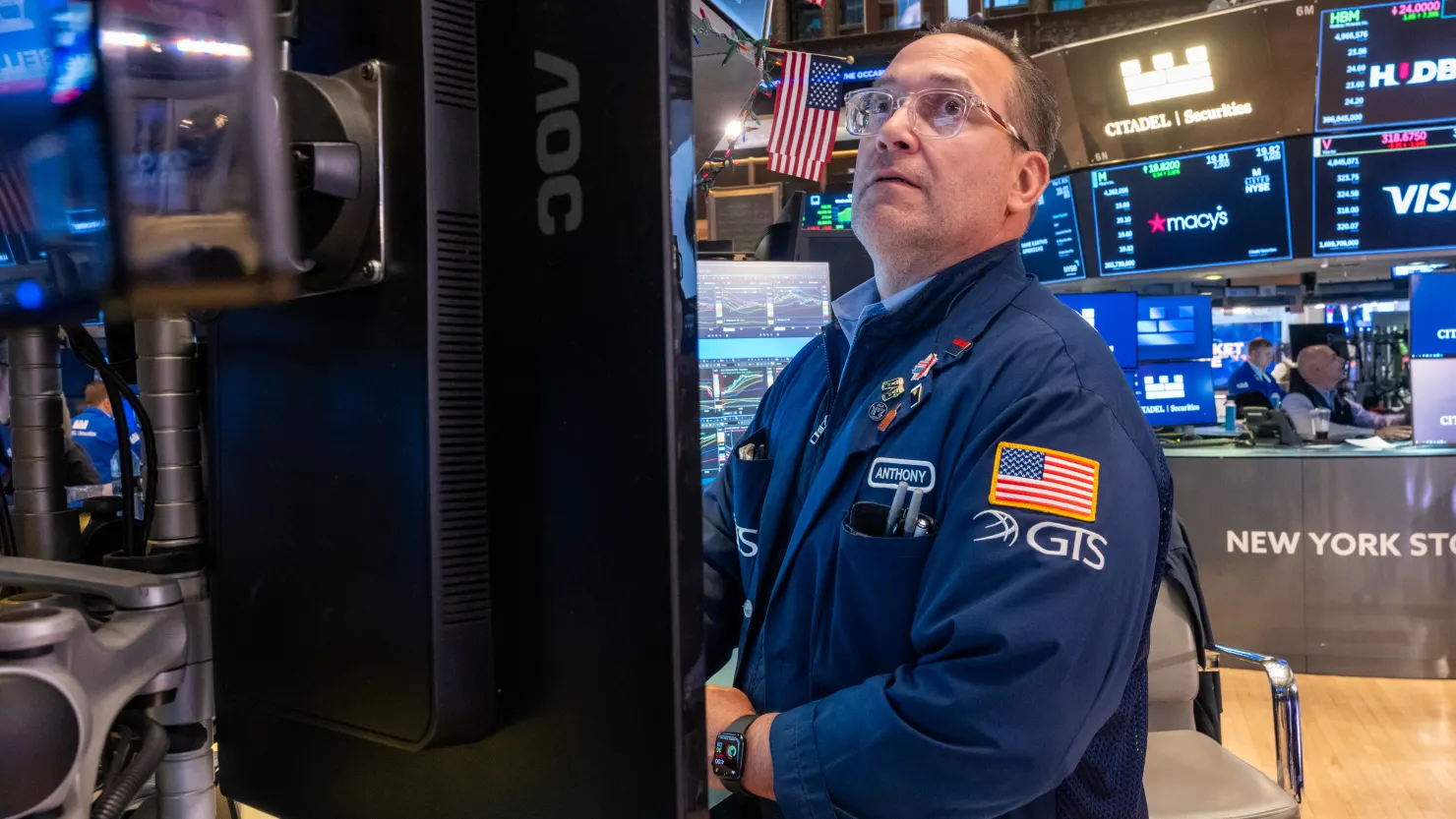
US stocks climbed back into record territory Thursday as oil prices extended their sharp retreat, with investors increasingly betting that Washington and Tehran are edging closer to a deal that could cool tensions in the Middle East and reopen the Strait of Hormuz.
The S&P 500 rose 0.2% to a fresh intraday high, while the Nasdaq Composite gained 0.6%, also setting another record. The Dow Jones Industrial Average hovered around flat territory after surging more than 600 points in the previous session.
Markets have spent the week swinging alongside oil prices, but the mood shifted noticeably after reports suggested the US and Iran may be close to a framework agreement aimed at ending the war and restarting broader nuclear negotiations.
Axios reported Wednesday that US officials believe both sides are nearing a 14-point memorandum of understanding. Iran later confirmed it was reviewing the latest American proposal, helping fuel optimism across financial markets.
Oil traders responded fast. Brent crude dropped another 3% Thursday to around $98 a barrel, after topping $115 earlier in the week. US West Texas Intermediate crude slid toward $91. Even after the pullback, prices remain far above pre-war levels, and markets are still vulnerable to sudden reversals if negotiations break down.
Investors have been burned before by hopes of a breakthrough in the region. One headline sparks a rally, the next revives fears of escalation. Tensions remain high despite the latest diplomatic signals, especially after reports that a US fighter jet disabled an Iranian tanker in the Gulf of Oman on Wednesday during an attempted blockade breach.
Still, lower oil prices gave traders a reason to buy risk again. Falling crude eases concerns about inflation, consumer spending and corporate costs – all issues that had rattled markets since the conflict erupted.
Strong earnings also kept the rally alive.
Cybersecurity company Datadog jumped nearly 30% after beating Wall Street expectations, while Fortinet surged 22% after raising its full-year billings forecast. DoorDash added more than 1% following upbeat guidance for second-quarter orders.
Not every company joined the celebration. Whirlpool sank more than 12% after posting disappointing results and warning about weaker consumer demand. Shake Shack tumbled almost 29% after missing earnings estimates. McDonald’s edged lower too, with CEO Chris Kempczinski warning that higher gas prices and anxiety around the Iran conflict could weigh on customer spending.
Even with the uncertainty hanging over global markets, investors continue to lean into the view that corporate America is holding up surprisingly well.
“It’s a secular bull market,” Patient Capital Management founder Samantha McLemore said on CNBC. “People have been calling this a bubble for more than a year, but earnings have largely justified the move.”
Bond markets were calmer. The yield on the 10-year Treasury held steady around 4.36%, down from earlier highs this week. Lower yields tend to support stock valuations and can eventually reduce borrowing costs across the economy.
Overseas markets painted a mixed picture. European indexes slipped, while Japan’s Nikkei 225 surged 5.6% after reopening from a holiday break and catching up with the global tech rally. The benchmark index has soared roughly 71% over the past year, driven largely by enthusiasm around artificial intelligence and semiconductor stocks.
Some strategists are starting to sound cautious.
“I think it’s a kind of bubble,” said Takashi Hiroki, chief strategist at Monex. “Buying activity is concentrated in AI and semiconductor-related stocks.”


The latest news in your social feeds
Subscribe to our social media platforms to stay tuned