



Methane cuts lag as energy risks rise, IEA says
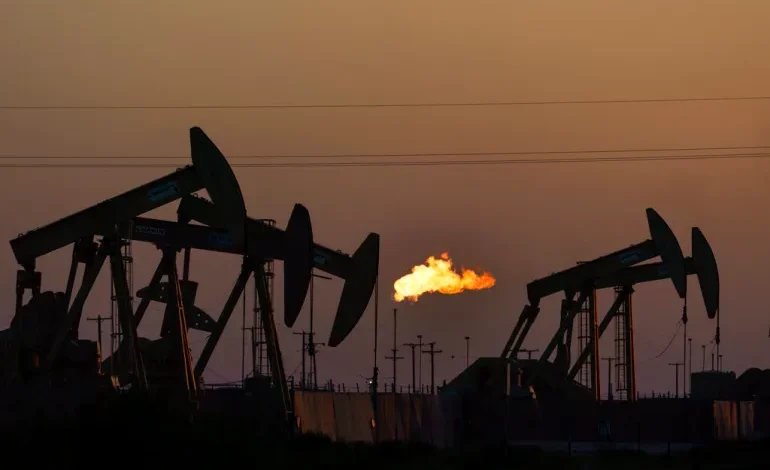

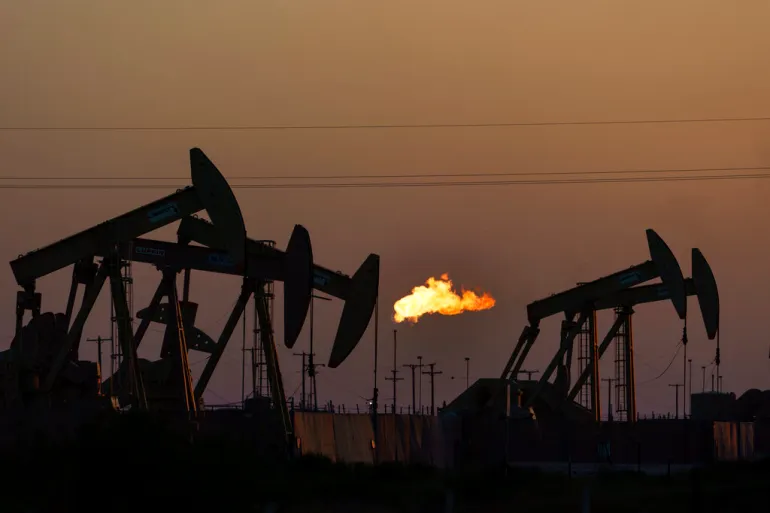
Efforts to curb methane emissions in the fossil fuel sector are falling behind, even as the case for action grows sharper in a volatile energy landscape shaped by the Iran crisis.
A new report from the International Energy Agency makes the link explicit: tackling methane leaks would not only slow climate change but also ease pressure on global energy supplies at a time when markets remain strained.
The agency’s Global Methane Tracker 2026, released on Monday, puts the scale of the issue into focus. Oil, gas and coal operations account for roughly 35 percent of human-caused methane emissions. Yet progress remains limited.
“There is still no sign that methane emissions from fossil fuel operations are falling, despite well-known and proven mitigation pathways,” the IEA said.
Methane is often treated as a secondary problem next to carbon dioxide, but its impact is more immediate. While it lingers in the atmosphere for a shorter time, its warming effect is about 80 times stronger over a 20-year period — making it a critical lever in near-term climate policy.
The numbers underline how concentrated the issue is. The IEA estimates total methane emissions from fossil fuels at 124 million tonnes annually, with oil leading at 45 million tonnes, followed by coal at 43 and natural gas at 36. “A further 20 Mt comes from bioenergy production and consumption, largely from the incomplete combustion of traditional biomass used for cooking and heating in developing economies,” the report added.
The timing of the warning matters. Energy markets have been under pressure since the United States and Israel launched their war against Iran in late February, followed by Tehran’s move to close the Strait of Hormuz. Although an April ceasefire is holding, supply constraints remain, with around 20 percent of global LNG trade flows disrupted.
In that context, methane is framed less as an environmental side issue and more as a missed supply opportunity. The IEA estimates that nearly 100 billion cubic metres of natural gas could be made available each year by cutting methane emissions from oil and gas operations. Around 15 billion cubic metres could be brought online relatively quickly, offering short-term relief to tight gas markets. Eliminating routine flaring could unlock another 100 billion cubic metres.
The policy push is starting to gather pace, at least on paper. France, chairing the Group of Seven this year, hosted a meeting in Paris on Monday aimed at building momentum ahead of the UN’s COP31 summit in November. Officials, industry leaders and experts gathered to align on practical steps to reduce emissions.
French minister Monique Barbut framed the challenge as collective.
“I sincerely hope that the discussions we will have today will enable us to join our forces to accelerate the implementation of effective solutions to reduce methane emissions,” she said, adding: “Of course, action on methane is not a fight of any single actor and nobody can win it alone.”
She also noted that the world remains “very far” from meeting its target of cutting methane emissions by 30 percent by 2030 from 2020 levels.
The same point came through from the UK. Ed Miliband said in a video message:
“Reducing methane emissions remains one of the best things we can do to slow global warming while cleaning up our air, improving public health, and increasing our energy security.”


The latest news in your social feeds
Subscribe to our social media platforms to stay tuned