



Ceasefire Holds, but Barely

The uneasy pause between the United States and Iran is looking more fragile by the day. Neither side appears ready to walk away from diplomacy, but neither is backing down on the demands that triggered the conflict in the first place.
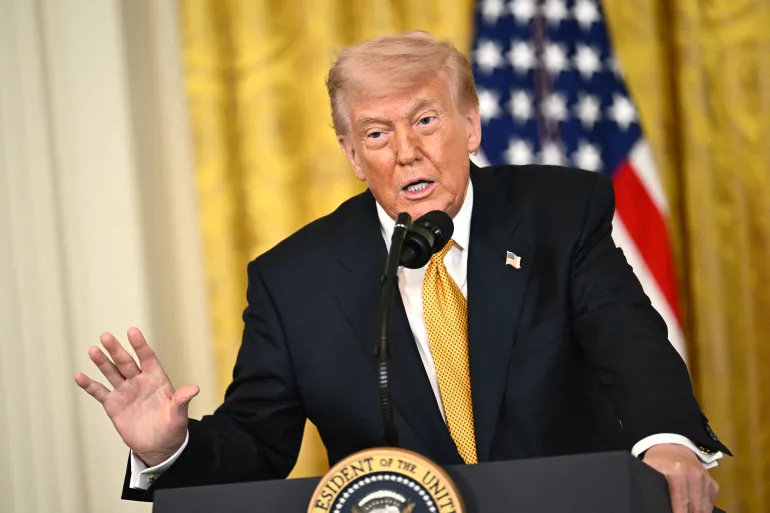
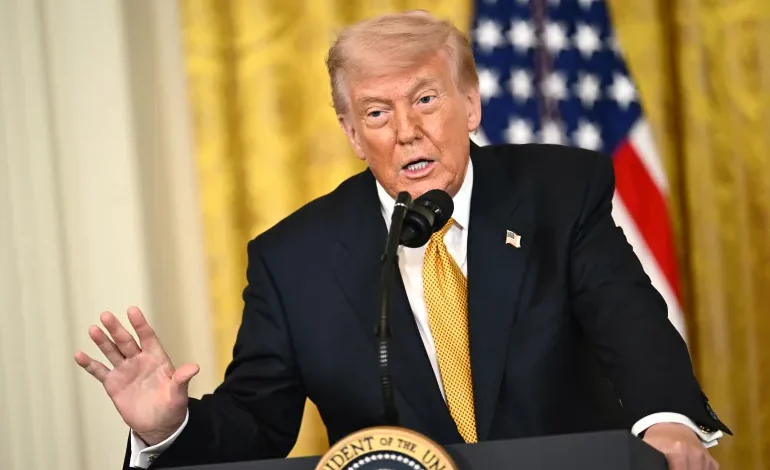
The latest round of tension began after Donald Trump dismissed Iran’s response to a US peace proposal as “stupid” and “garbage”, and said the ceasefire was on “massive life support”. Tehran answered with a warning of its own.
Iranian parliamentary speaker Mohammad Bagher Ghalibaf said the country was prepared to retaliate against “any aggression”, adding that the United States would be “surprised” by the response.
The exchange underscores a broader reality: the war may be paused, but the core dispute remains unresolved. Washington says its central objective is to prevent Iran from obtaining nuclear weapons. Tehran insists it is only defending its “legitimate rights” and wants assurances that any agreement will not simply delay another round of conflict.
The deadlock is already reverberating well beyond the negotiating table. The war and the disruption in the Strait of Hormuz have shaken global energy markets, driving up fuel and fertiliser costs and feeding broader concerns about inflation and economic slowdown.
Inside Iran, authorities announced the seizure of six properties allegedly linked to former national football captain Ali Karimi, a prominent government critic living in exile. At the diplomatic level, Iran said its latest proposal called for an end to the war and the release of frozen assets.
Trump, meanwhile, continues to argue that a negotiated settlement remains within reach, even as he publicly derides Tehran’s position. He is expected to travel to Beijing to meet Xi Jinping, with the Iran crisis likely to feature prominently in the discussions.
European governments are also moving to protect the economic lifeline running through Hormuz. The United Kingdom and France are convening defence ministers from 40 countries to discuss plans to restore trade flows through the strait, while the US and UK have imposed additional sanctions tied to Iranian oil exports to China.
In the United States, the conflict is beginning to show up in everyday economic concerns. Rising diesel costs are pushing up transport and supermarket prices, prompting Trump to propose suspending the federal gas tax to ease pressure on consumers.
The regional fallout is spreading as well. In Israel, aviation officials say heavy military use of Ben Gurion Airport is disrupting civilian travel. In Lebanon, officials are urging Washington to pressure Israel to halt continued strikes despite the ceasefire.


The latest news in your social feeds
Subscribe to our social media platforms to stay tuned