




As Donald Trump heads to Beijing for his first visit to China in nearly a decade, one of the most sensitive issues in the US-China relationship is set to move to the center of the conversation: American weapons sales to Taiwan.
Trump said on Monday that he plans to raise the issue directly with Xi Jinping during talks scheduled for Thursday and Friday.
“I’m going to have that discussion with President Xi,” Trump told reporters at the White House when asked about weapons sales. “President Xi would like us not to, and I’ll have that discussion. That’s one of the many things I’ll be talking about.”
The comment is notable because US arms sales to Taiwan are usually treated as a standing policy commitment rather than as a bargaining point in summit diplomacy.
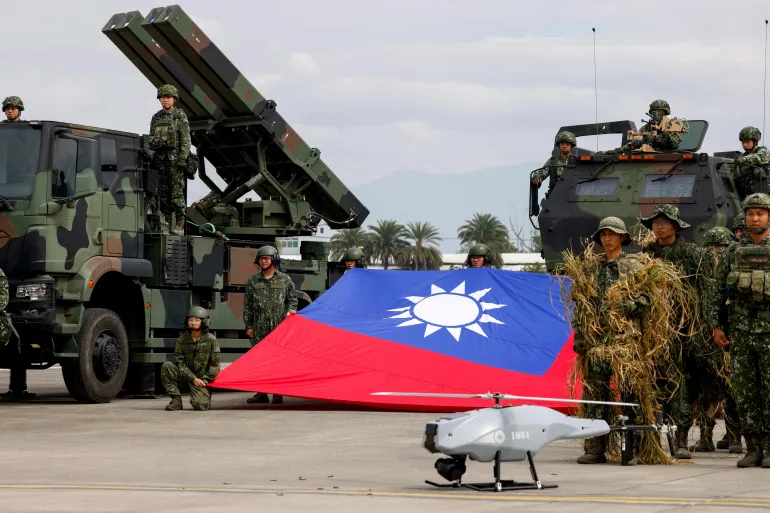
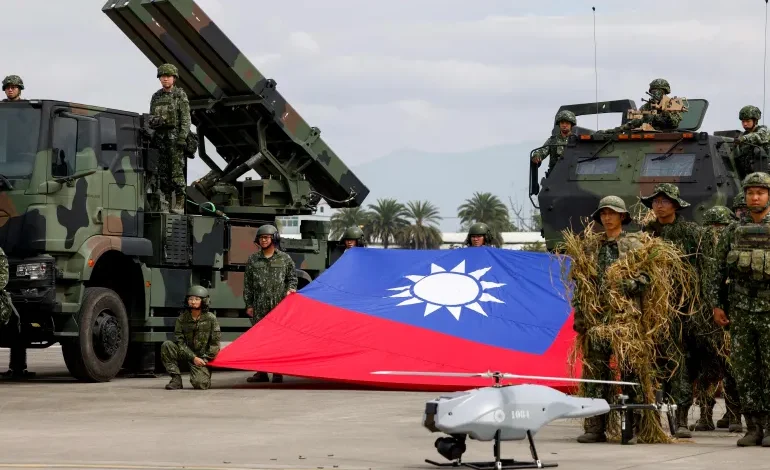
Under the Taiwan Relations Act, the United States provides Taiwan with military equipment to help the island maintain its defense capabilities. Washington does not formally recognize Taiwan as an independent country, but it remains Taipei’s most important international security partner.
Trump approved an arms package worth more than $11bn in December, the largest such package in US history. Beijing condemned the move, as it routinely does, arguing that Taiwan is part of China and that outside military support encourages separatism.
China has increased military pressure on the island in recent years, including exercises simulating blockades and large-scale encirclement drills. Taiwan, for its part, continues to reject Beijing’s sovereignty claims and insists that its future must be decided by its own people.
Despite the tension, Trump sought to project confidence.
“I don’t think it’ll happen,” he said when asked about the possibility of a military confrontation. “I think we’ll be fine. I have a very good relationship with President Xi. He knows I don’t want that to happen.”
The Taiwan issue is expected to be one of several difficult topics on the agenda, alongside trade and the war in Iran. But unlike tariffs or commodity purchases, Taiwan touches directly on the strategic red lines of both governments. That makes even a brief public acknowledgment significant.



The latest news in your social feeds
Subscribe to our social media platforms to stay tuned