


Oil Ticks up as Trump’s Warning to Iran Stirs Fresh Fear over a Shaky Cease-Fire

The New York Times, BBC, Euronews, Bloomberg contributed to this report.
Oil prices moved higher on Monday, and stocks slipped, after President Trump issued a fresh warning to Iran that cast more doubt on the already fragile cease-fire between Washington and Tehran.
The market mood turned quickly. Brent crude rose more than 1% and traded above $110 a barrel, while West Texas Intermediate also climbed more than 1%, to around $102. Investors were watching the same thing across every asset class: the risk that the conflict drags on, or gets worse.
Trump raised the temperature on Sunday with a social media post telling Iran that “the Clock is Ticking” and warning that there “won’t be anything left of them” if talks do not move fast. The message only deepened fears that the peace process is going nowhere.
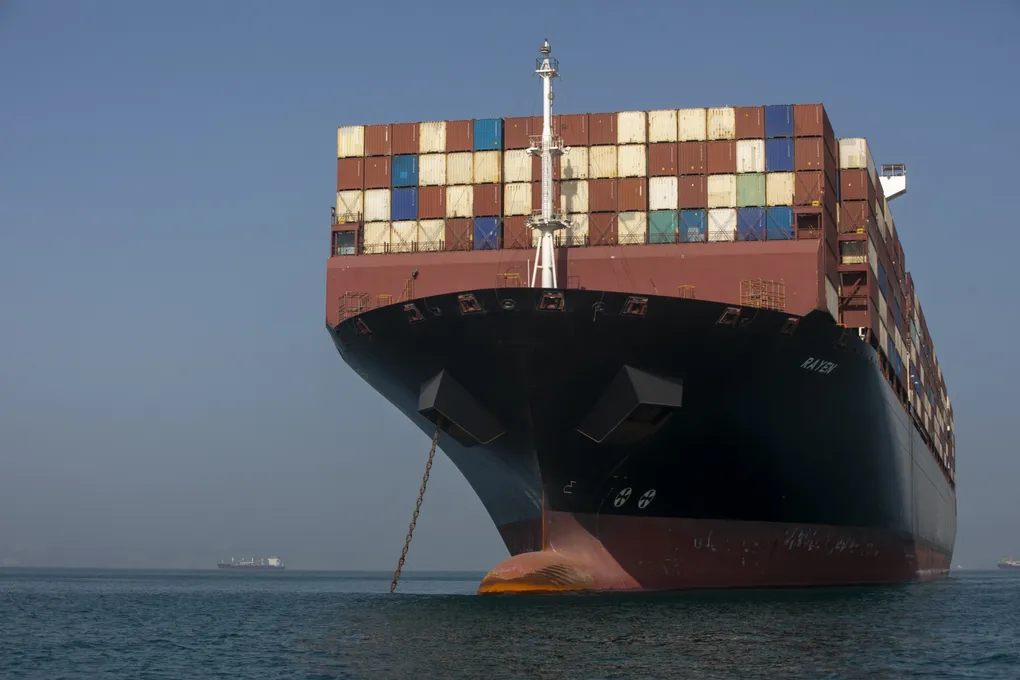
That matters because the bigger issue is not just diplomacy. It is oil flowing through the Strait of Hormuz, the narrow but crucial passage that carries a huge share of the world’s crude and gas. For now, reopening the strait still looks distant.
Markets reacted in the usual blunt way. US stock futures pointed lower, Asian shares were mostly down, and European equities opened softer. The bond market sold off too, with yields climbing as traders priced in more inflation pressure from expensive energy and the possibility that governments may have to spend more to cushion the blow.
Gasoline, for the moment, has barely budged. But that is often how it goes. Crude moves first, drivers feel it later. The AAA national average for regular was just over $4.50 a gallon, with diesel a little below $5.65.
The danger now is less about a headline spike and more about supply getting tight in a real, physical way. Analysts at Deutsche Bank warned that if the Strait of Hormuz stays shut, the world could move from expensive oil to an actual shortage. That is the kind of scenario markets hate most.
The stakes are already showing up in business planning. Airlines are bracing for a tougher summer. Ryanair said the Middle East conflict has made the outlook harder to read, even though it has hedged most of its fuel needs. Other companies are facing the same squeeze.
And the wider conflict is still throwing off shocks. A drone strike near a nuclear plant in the UAE over the weekend added another layer of unease, even though local officials said no one was hurt and radiological safety was not affected.
For now, the message from traders is simple: the cease-fire is still alive, but barely. And until the fighting cools and the Strait of Hormuz reopens, oil is likely to stay on edge.



The latest news in your social feeds
Subscribe to our social media platforms to stay tuned