



OpenAI beats Musk in court, but the bigger AI fight is just getting started

Axios, CNBC, BBC, the New York Times, Bloomberg contributed to this report.
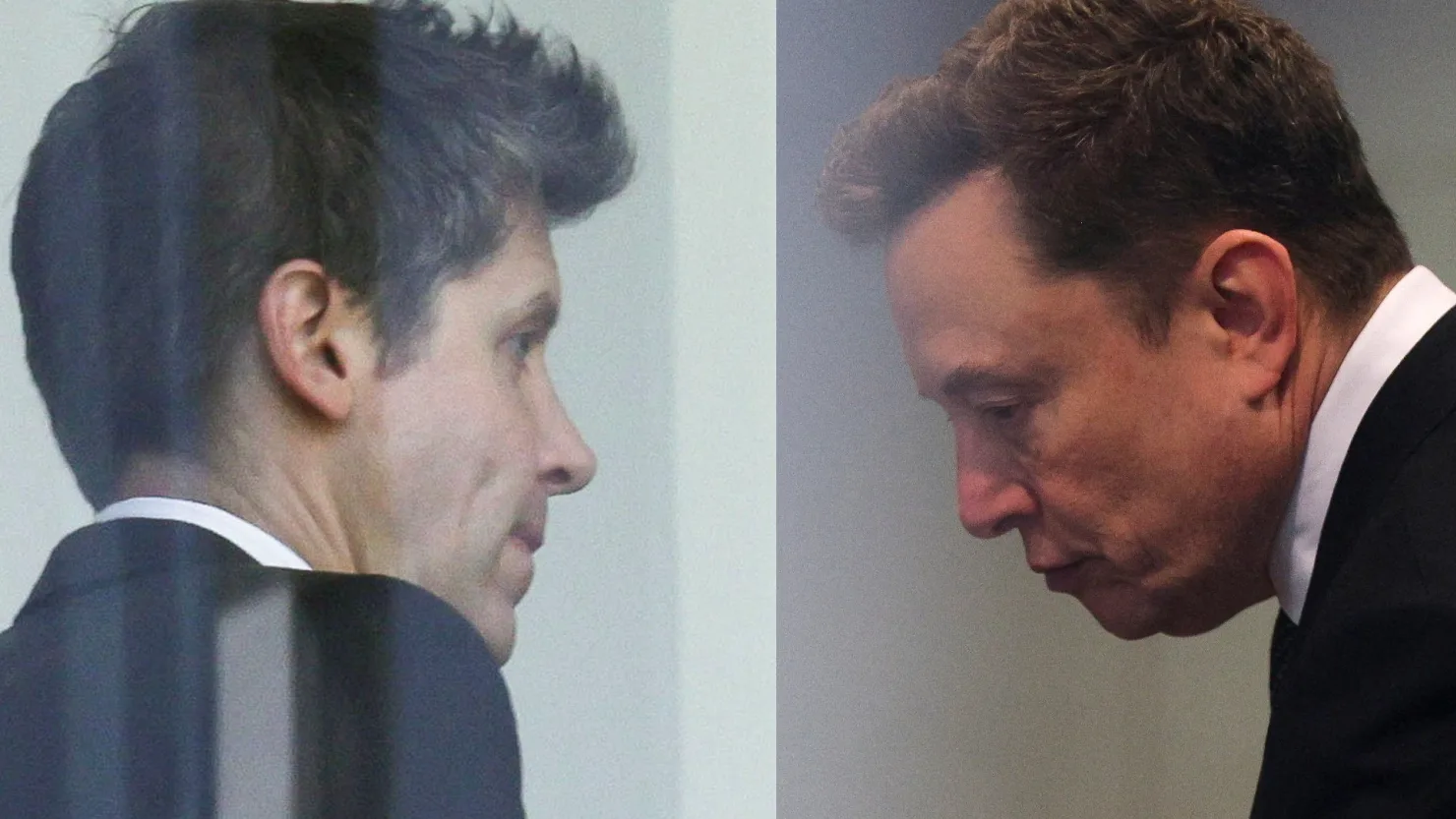
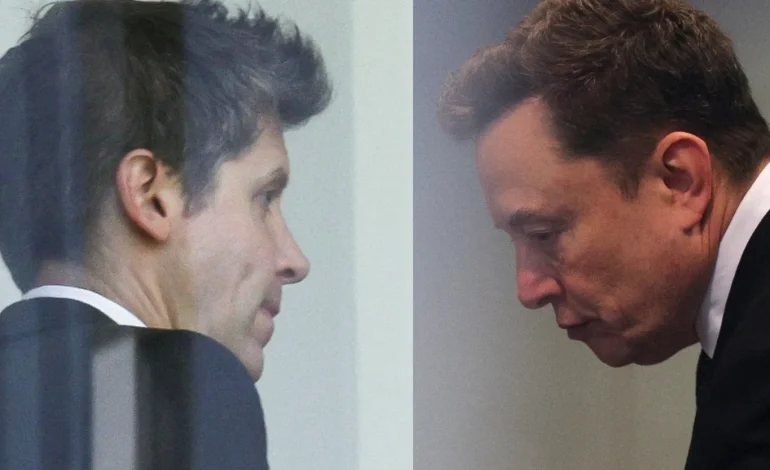
OpenAI got a courtroom win against Elon Musk on Monday, but the victory came with a catch: the judge tossed the case on procedural grounds, not because the company fully cleared itself on the bigger questions hanging over it.
That matters. A lot.
The three-week trial in Oakland was supposed to settle one of Silicon Valley’s biggest grudge matches. Instead, it ended with a fast, unanimous jury call that Musk filed too late. The nine-person panel said his claims fell outside the three-year statute of limitations, and Judge Yvonne Gonzalez Rogers immediately accepted the finding and dismissed the suit.
Musk had accused OpenAI, Sam Altman, Greg Brockman and Microsoft of betraying the company’s original nonprofit mission and turning it into a money machine. He wanted $150 billion in damages and pushed for Altman’s removal from leadership. He also wanted the court to unwind OpenAI’s business structure, which could have thrown its planned IPO into chaos.
That did not happen.
For OpenAI, the result is a relief. The company can keep moving toward a public listing, potentially one of the biggest Wall Street debuts ever, without Musk forcing a reset through the courts. But the broader fight over who controls AI, who profits from it, and who gets to define its mission is still wide open.
And that is the uncomfortable part. The trial was meant to be about idealism versus betrayal. What it mostly exposed was something messier: power plays, ego, money and old grudges.
Emails and internal documents showed OpenAI leaders worrying about Musk years ago, even wondering whether he could become “a dictator.” Later, during Musk’s short-lived 2023 ouster at OpenAI, texts showed Altman scrambling to get back into board meetings and being shut out. The court also heard that OpenAI explored a possible merger talk with Anthropic at the time.
That is not exactly the clean, noble story the AI industry likes to tell about itself.
Critics say the case only reinforced what many people already suspect: the race to build AI is being driven less by humanity-first ideals and more by control, money and status. As one observer put it, the whole thing was really about power.
OpenAI still has real problems ahead. It is burning through huge sums, still not clearly profitable, and facing fierce competition from Google and Anthropic. It is also dealing with a stack of lawsuits, from copyright claims to wrongful death allegations tied to ChatGPT use. The company has brought in a new chief revenue officer and is trying to turn growing consumer use and tools like Codex into serious revenue.
Anthropic, meanwhile, is moving fast. Google is pushing hard. And Musk, even after losing, is almost certainly not done. He says he will appeal.
So yes, OpenAI won the round. But the bigger war over AI’s future, and who gets to shape it, is still very much on.


The latest news in your social feeds
Subscribe to our social media platforms to stay tuned