


Samsung Dodges a Strike for Now, but the Fight over AI Profits is far from Settled

The New York Times, CNN, CNBC, BBC, the Financial Times, and Reuters contributed to this report.
Samsung Electronics has bought itself some breathing room.
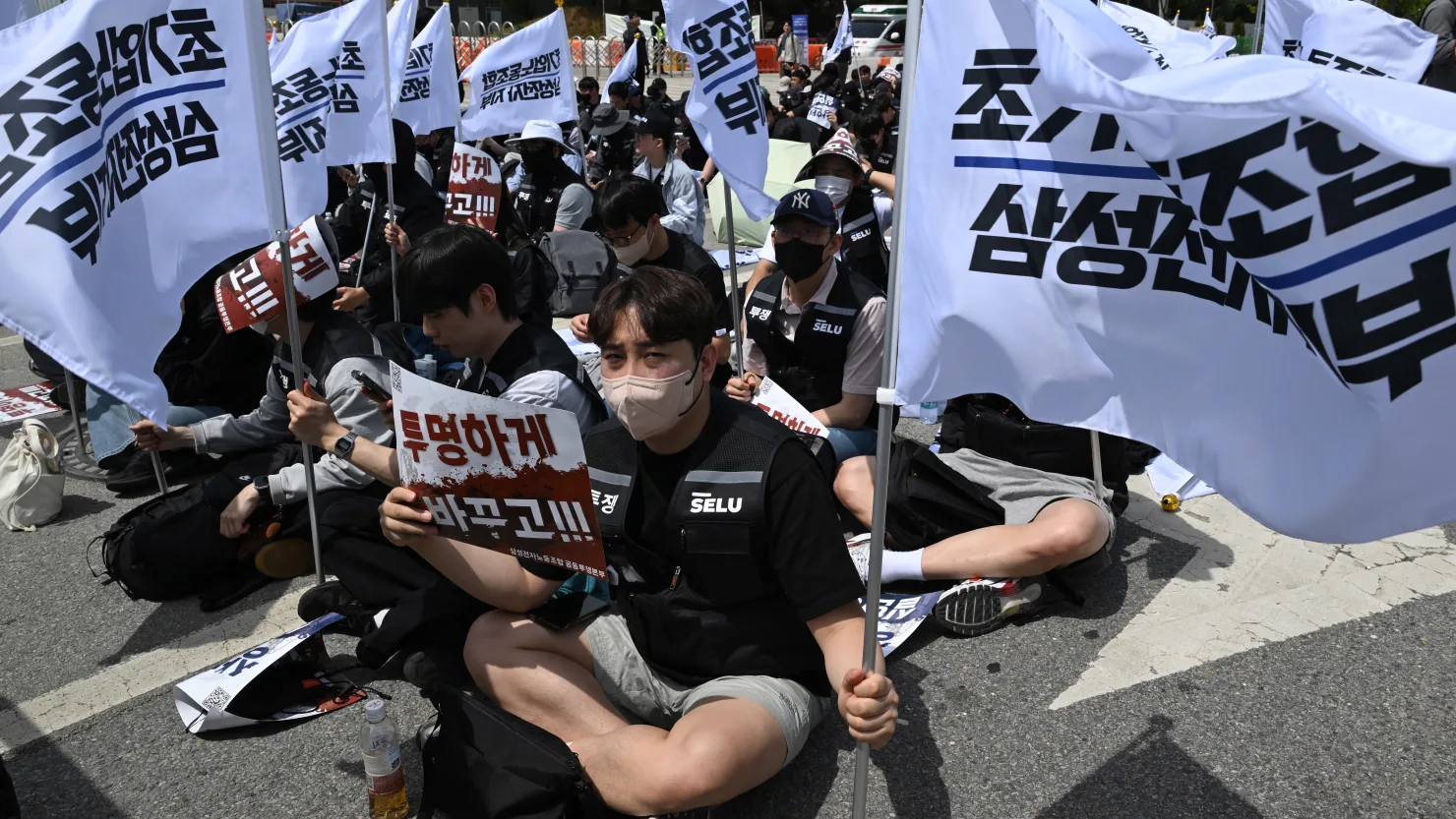
Hours before an 18-day walkout was set to begin, the company and its union struck a tentative deal that suspended the strike for now. That means nearly 48,000 workers will hold off while members vote on the agreement later this month. Samsung shares popped on the news, and so did the broader mood in South Korea, where officials had been bracing for a hit to exports and chip supply.
The deal is a relief, but it is not a clean win for either side.
Samsung’s workers had been threatening the biggest strike in the company’s history, driven by a simple complaint: the AI boom has made the chip business wildly profitable, and they want a bigger slice of it. That argument has real force. Samsung has surged to a $1 trillion valuation this year, helped by booming demand for memory chips used in AI servers and hardware. But workers say the bonus system has not kept up, especially when they compare Samsung’s payouts with those at rival SK Hynix.
That comparison has become a sore spot. SK Hynix scrapped its bonus cap and has been handing out far richer rewards, which has only sharpened frustration inside Samsung. The union wanted Samsung to scrap its own cap, too, and tie bonuses more directly to operating profit. Management did not go that far, but it did concede enough to avoid an immediate shutdown.
Under the tentative agreement, the semiconductor division would get a special bonus pool tied to operating profit, with some of it paid in company stock over many years. That is a meaningful concession, and it shows Samsung knows the mood inside the plant is not something it can ignore. Still, the company is also signing up for higher labor costs at a time when it is trying to stay competitive in a brutally tight global chip race.
The bigger story here is what this fight says about the AI boom itself. It is minting profits at the top of the tech stack, but it is also forcing a harder question about who gets paid when the money starts rolling in. Samsung’s workers are not the only ones asking that. Across tech, AI is reshuffling jobs, power and pay, and the tension is only getting louder.



The latest news in your social feeds
Subscribe to our social media platforms to stay tuned