





Bloomberg, Reuters, CNN, and the Wall Street Journal contributed to this report.
Huawei is betting on a different path to better chips.
The Chinese tech giant said Monday it has developed a new design approach it believes could help it reach semiconductor performance equivalent to 1.4-nanometer-class chips by 2031, even as US sanctions keep it cut off from the most advanced chipmaking tools. The company did not release independent performance data, and some analysts remain skeptical about how close this really is to a true manufacturing breakthrough.
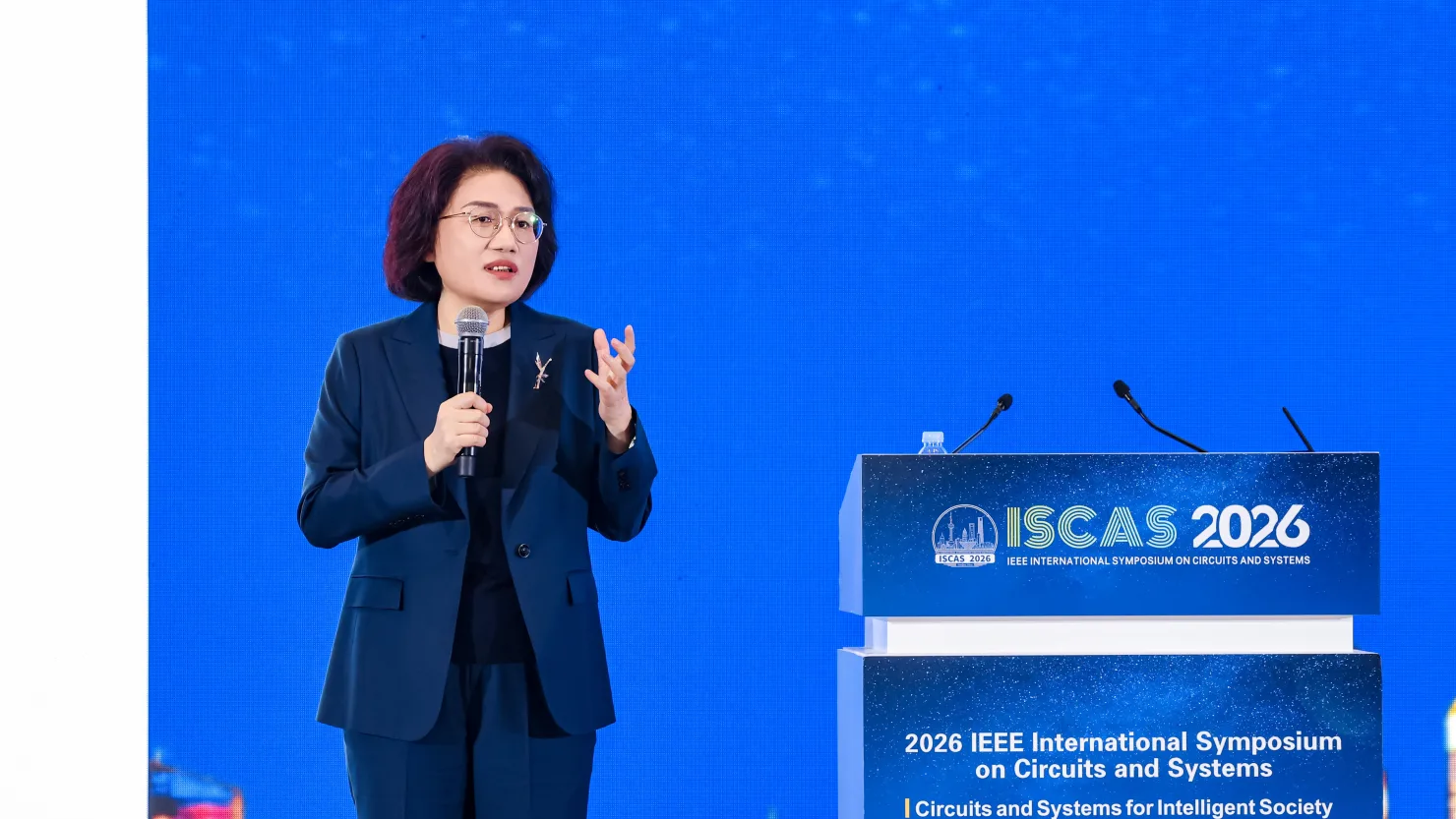
Huawei unveiled the strategy at a semiconductor symposium in Shanghai. The pitch is straightforward: if it cannot keep shrinking transistors the way leading chipmakers have done for years, it will try to squeeze more performance out of chip architecture instead. The company’s new idea, called Tau Scaling, focuses on improving how quickly signals move through the chip and the wider system, rather than chasing smaller transistors alone.
That matters because the old playbook is getting harder to follow. China’s most advanced proven chipmaking is still widely seen as around 7 nanometers, while TSMC already uses 2-nanometer technology and plans to mass-produce 1.4-nanometer chips in 2028. Huawei’s target is ambitious, and it lands right in the space where global chipmaking is expected to sit near the end of the decade.
Huawei said its Kirin smartphone chips, set to launch later this year, will be the first to use a Tau Scaling variant called LogicFolding. The company says the design shortens wiring inside chips and improves efficiency. It also plans to bring the same approach to its Ascend AI chips by 2030, along with large chip clusters used in data centers.
The timing is no accident. Huawei’s Ascend line has become central to China’s AI push, especially as domestic firms look for alternatives to Nvidia’s restricted high-end processors. Huawei’s comeback has already rattled the market once before, after the 2023 launch of its Mate 60 smartphones, which used a 5G chip made by SMIC. SMIC shares jumped Monday after Huawei’s announcement.
Still, the big question is whether this is a real shortcut or just a clever workaround. Some analysts say Huawei’s stacked and folded design could improve density and performance, but it does not magically solve the harder problems of heat, power use, manufacturing yields, and chip design tools. Those issues get even tougher when the goal shifts from smartphones to huge AI systems.
Huawei says it has already designed and mass-produced 381 chips based on Tau Scaling over the past six years, and it wants the industry to see this as more than just a technical fix. The company is framing it as a new way forward. Whether the rest of the chip world buys that argument is another matter.



The latest news in your social feeds
Subscribe to our social media platforms to stay tuned